7 Best Dishwasher Brands of 2026
Jake Morrison reviews the best dishwasher brands you can actually buy in 2026. Compare Kenmore, Bosch, BLACK+DECKER, Cosmo, Samsung, Midea, and ZLINE on noise, capacity, drying, and footprint.
Updated
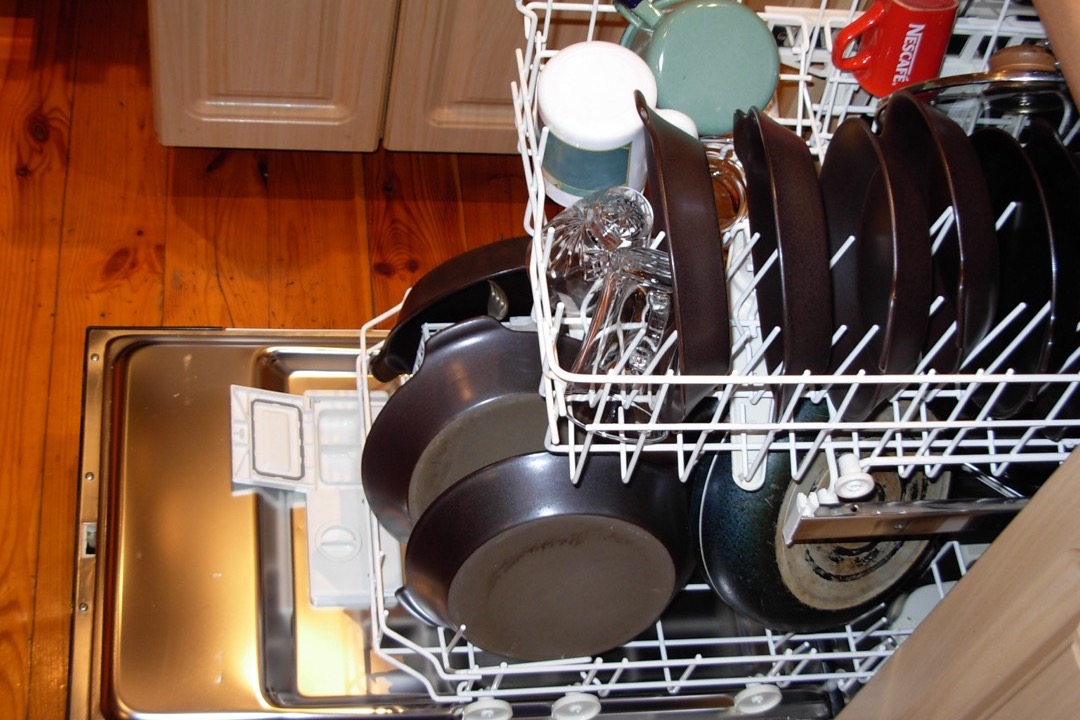
I have installed more dishwashers than I can count over twenty years of general contracting work, and I have never seen the market look like it does right now. If you went looking for the best dishwasher brands the way you would have three years ago — pull up Amazon, compare a Bosch against an LG against a Whirlpool — you would have come away confused, because most of those listings no longer resolve to a machine you can buy.
Here is the honest situation as of this update. The major American and Korean brands have largely stopped selling full-size 24-inch built-in dishwashers through Amazon. LG, GE, GE Profile, and Whirlpool listings across the category now come back unavailable, used-only, or through third-party sellers at prices that make no sense. I searched the category exhaustively before rewriting this page and could not find a single buyable new-condition full-size unit from any of them. That is a distribution decision, not a quality verdict — those brands are still in production and still worth your money. You simply have to buy them from a local appliance dealer, a big-box appliance desk, or the manufacturer directly. If a Whirlpool or a GE Profile is what you want, make the phone call. You will likely pay less than Amazon’s marketplace resellers are asking anyway.
What follows is the best of what you can genuinely order online today: seven machines from Kenmore, BLACK+DECKER, Bosch, Cosmo, Samsung, Midea, and ZLINE, every one of them verified with a real new-condition offer and a working checkout. I have ranked them on noise, capacity, drying, footprint, and the depth of their owner review data — and where that data is thin, I say so instead of dressing it up. If you are working through a whole kitchen, this pairs naturally with the best kitchen faucets and a properly specced garbage disposal.
| Product | Price | Buy |
|---|---|---|
| Kenmore 24-Inch Hybrid Tub DishwasherBest Overall | $449.99 | View on Amazon |
| BLACK+DECKER BDW500MHS Designer SeriesRunner-Up | $899.99 | View on Amazon |
| Bosch 300 Series SHX53CM5NPremium Pick | $1,499.98 | View on Amazon |
| Samsung Bespoke DW80B7070US | $799.00 | View on Amazon |
| Cosmo Lumin COS-DIS6502 24-Inch Dishwasher | $711.99 | View on Amazon |
| Midea 18-Inch Slim Built-In DishwasherBudget Pick | $499.12 | View on Amazon |
| ZLINE DW-SN-24 Top Control Built-In Dishwasher | $818.97 | View on Amazon |
Find the Best Dishwasher for Your Kitchen
Not every kitchen needs the same machine. A dishwasher that solves a galley-kitchen footprint problem is the wrong answer entirely in an open-plan great room where noise is the whole issue. Jump straight to the situation that matches yours:
- Best dishwasher overall — the full reviews, all seven machines
- Best Budget Dishwasher — the most machine for the least money
- Best Quiet Dishwasher — 42 to 45 dBA for open-concept kitchens
- Best Dishwasher for Drying — the ones that actually dry plastics
- Best Stainless Steel Dishwasher — stainless tubs, not just stainless doors
- Best Dishwasher for Hard Water — high-temp washing and spot control
- Best Dishwasher with a Third Rack — where the utensils actually go
- Most Reliable Dishwasher Brand — fewest service calls in year five
Best Dishwashers Overall
These are the seven machines worth installing in 2026, reviewed in full. Every use-case section further down pulls its picks from this list.
Kenmore 24-Inch Hybrid Tub Dishwasher — Best Overall
Kenmore is not the brand I would have named as my overall pick five years ago, and I want to be straight about why it is now: in a field where most of the legacy names have vacated the shelf, this is the machine that gets the fundamentals right, costs the least of any full-size unit here, and is genuinely in stock. Sold and shipped by Amazon, it undercuts every other full-size machine on this page, and it does that without dropping the one feature people actually miss when it is gone.
That feature is the heated dry element with a Sani Rinse option. Condensation drying, which is what the Bosch further down uses, is the better system on glass and ceramic and will leave every plastic container in the load wet. An element will not. If your dishwasher runs a lot of storage containers and lids, that difference shows up every single cycle. The MoreSpace adjustable upper rack is the other genuinely useful piece — being able to drop the upper basket for a stockpot or raise it for tall stemware means you are not stuck loading around a fixed rack height for the next decade.
Two things I have to be straight about. The first is noise: at 54 dBA this is the loudest machine on the page, and decibels are logarithmic, so the gap between this and the 42 dBA Samsung is much wider than the twelve-point spread makes it sound. If the dishwasher sits within earshot of where you actually sit in the evening, buy the Samsung or the BLACK+DECKER instead — I would rather lose the sale than have you run this ten feet from a dining table. The second is the tub: it is a hybrid, stainless on the walls with a plastic floor, so it does not hold heat the way a full stainless tall tub does. Forty reviews at 3.9 stars is still the best rating-and-sample combination of any full-size machine in this price class, and Kenmore’s service network is thinner than it was under Sears, so plan on longer part lead times than Bosch. On price, drying, availability, and the depth of what owner data exists, it is the machine I would put in most kitchens on this list.

Kenmore 24-Inch Hybrid Tub Dishwasher
by Kenmore
The most sensible full-size machine you can actually buy on this platform: the best rating-and-review combination in its price class, heated dry, and genuine in-stock availability — as long as you can live with a loud 54 dBA.
Pros
- The least expensive full-size machine on this list, and the only one under seven hundred dollars that still ships and sells directly from Amazon
- 3.9 stars across 40 verified reviews is the best rating-to-sample combination of any full-size unit here — not a deep record, but the deepest of the machines in this price class
- A heated dry element with a Sani Rinse option means plastics actually come out dry, which the condensation-drying machines further up this page will not do
- The MoreSpace adjustable upper rack drops for stockpots and raises for tall stemware, so you are not loading around a fixed rack height for the next decade
Cons
- 54 dBA is the loudest rating on this page by a clear margin — if the dishwasher sits near an open-plan dining table, buy the Samsung or the BLACK+DECKER instead
- The hybrid tub is stainless on the walls with a plastic floor, so it does not hold heat the way a full stainless tall tub does
- Twelve place settings and no third rack put it behind the Cosmo and the BLACK+DECKER on pure capacity
- Kenmore's service network is thinner than it was under Sears, so sourcing a part or a certified tech can take longer than it would for Bosch
BLACK+DECKER BDW500MHS Designer Series — Runner-Up
This is the most equipped machine in the roundup, and it is not close. Fourteen place settings is the largest confirmed capacity here, a stainless tub is standard, and it stacks heated dry, a sanitize mode, six wash programs, delay start, and an LED interior light into a package that would have been a premium tier five years ago. If you are feeding five people and running the dishwasher once a day rather than twice, this is the capacity that makes that possible.
The heated dry is the feature I would actually pay for. Condensation drying — which is what Bosch uses and what the category has drifted toward for efficiency reasons — is superb on glass and ceramic and useless on plastic. If you have ever opened a dishwasher to find puddles sitting in every overturned storage container lid, you know the annoyance. An element-based heated dry solves that outright, and this is one of only two machines on the list that has one. The rack engineering backs it up: a two-inch adjustable top rack and fold-down lower tines mean a sheet pan or a stockpot goes in without you unloading half the basket to make room.
Two cautions. First, one verified review. The 5.0 rating is technically accurate and statistically meaningless, and I would rather tell you that than let a five-star badge do the persuading. Second, measure your cabinet. At 26.5 inches deep this runs more than an inch past what a standard 24-inch cabinet run assumes, which means it either eats into your countertop overhang or sits proud of the cabinet face. Room-of-Choice delivery is included, which on a hundred-pound built-in matters, but it will not fix an opening that is too shallow.

BLACK+DECKER BDW500MHS Designer Series
by BLACK+DECKER
The most equipped machine here for the money — 14 settings, stainless tub, heated dry, sanitize mode, LED interior — held back only by a review history that has barely started.
Pros
- 14 place settings is the largest confirmed capacity in this roundup — a household of five gets a full day of dishes through in a single load
- Heated dry paired with a sanitize mode means plastics actually come out dry, which no condensation-drying machine on this list manages
- The top rack adjusts two inches and the lower tines fold flat, so sheet pans and stockpots go in without unloading half the basket first
- Sells directly from Amazon with Room-of-Choice delivery, which on a 26-inch-deep built-in appliance matters more than any line on the spec sheet
Cons
- Exactly one verified review at the time of writing — the 5.0 rating is real but carries no statistical weight at all
- 26.5 inches deep is over an inch deeper than most 24-inch dishwashers, so measure the cabinet run and the door swing before you order
- BLACK+DECKER is a licensed appliance brand rather than a legacy dishwasher manufacturer, so long-term parts availability is an open question
Bosch 300 Series SHX53CM5N — Upgrade Pick
Bosch is still the best-engineered dishwasher brand sold in the United States, and after twenty years of installs I have never had reason to revise that. The failure rate is the lowest of anything I put in a kitchen, mostly because Bosch keeps the electronics count low and the mechanical design simple. What has changed since the last version of this page is which Bosch you can actually buy. The SHEM63W55N I had here has gone unavailable, and most of the rest of the lineup now shows used-only offers or no featured offer at all. The SHX53CM5N is one of the few still carrying a live new-condition listing.
On the machine itself this is a step up from the unit it replaces. PureDry condensation drying with the stainless tall tub is the system that made Bosch’s reputation: no heating element, so nothing to burn out, and on glass and ceramic the results genuinely beat heated-dry machines because a hot element is what etches and clouds stemware. This one adds a third rack, which clears measuring spoons, lids, and long utensils out of the lower basket, and it publishes 46 dBA, the second-quietest number on this page. Top controls hide the panel in the door edge, so the cabinet run reads clean.
Now the part I will not dress up. This listing has exactly two ratings and both of them are one star, with no review text Amazon will show you. That is not a track record, it is noise, and on a four-figure appliance you deserve to know that you are buying Bosch’s engineering reputation rather than any evidence from this particular listing. The price compounds it: the marketplace seller is asking well above Bosch’s list for the model, which is what happens when a brand’s distribution thins out and demand does not. It also ships in seven to eight days through that seller rather than Amazon directly, so delivery scheduling and any return run through them. Call a local appliance dealer before you commit; on this one they will almost certainly beat the number. And the drying trade-off is real — plastics come out wet, every cycle. If that is what bothers you, the BLACK+DECKER above is the better buy.

Bosch 300 Series SHX53CM5N
by Bosch
The best-engineered machine on this page and one of the last Bosch dishwashers with a live new-condition Amazon listing — a buy made on brand engineering, a 46 dBA stainless tall tub, and a third rack, because the listing itself carries no owner record at all.
Pros
- One of only a handful of Bosch dishwashers left on Amazon with a live new-condition offer and a working checkout, and the only one here in the 300 Series with a full stainless tall tub
- 46 dBA is the second-quietest published rating on this page, and no other machine here pairs a sub-fifty rating with both a stainless tall tub and a third rack
- PureDry condensation drying in the stainless tall tub is still the best system in the category on glass and ceramic, with no heating element that can burn out or etch stemware
- The third rack clears measuring spoons, lids, and long utensils out of the lower basket, which frees that basket for the dishes it was designed to hold
Cons
- Two ratings, both of them one star, and Amazon will not surface the review text — there is no owner record behind this listing worth calling evidence, and you should weigh that before spending four figures
- The marketplace price sits well above Bosch's list for this model, so you are paying for Amazon availability on top of the engineering; a local appliance dealer will beat it
- Condensation drying leaves plastic containers and lids wet every single cycle, so plan on towel-drying storage containers or buy something with a heated dry element
Samsung Bespoke DW80B7070US — Best Third Rack
The Samsung is the only machine on this list with a true third rack, and if you have ever used one you know it is the most useful capacity feature of the last decade. A shallow tray across the top of the tub takes every measuring spoon, spatula, small lid, and long utensil out of the lower basket, which means the lower basket goes back to holding what it is designed for. On a full family load that is the difference between running one cycle and running two.
It also carries the quietest rating on this page at 42 dBA, and it adds StormWash+, which puts a dedicated high-pressure zone in the tub for pots and casserole dishes rather than asking a single spray pattern to handle both delicate glassware and baked-on lasagna. The SmartThings connectivity gives you remote start and a cycle-complete notification, which is more useful than it sounds if your kitchen is two floors from where you actually sit.
I am not going to soft-pedal the rating. Three point two stars across five reviews is the weakest number on this page, and it matters that it is skewed low rather than simply unsampled — an unrated new SKU tells you nothing, but a low-rated one is people actively reporting problems. Samsung’s electronics have always been the most common service item on this platform in my experience, and a smart control board is not a cheap part. Buy this one for the third rack and the noise rating with your eyes open, and budget for an extended warranty.

Samsung Bespoke DW80B7070US
by Samsung
The third rack and the 42 dBA rating are genuine advantages, but a 3.2-star average is a warning sign I am not going to talk you out of reading.
Pros
- A genuine third rack, a shallow top tray that clears measuring spoons, lids, and long utensils out of the lower basket and hands that space back to the dishes
- 42 dBA is the quietest rating in this roundup, which is exactly what an open-concept kitchen needs
- StormWash+ adds a dedicated high-pressure zone for pots and casserole dishes instead of asking one spray pattern to cover the whole tub
- WiFi through SmartThings gives you remote start and a cycle-complete alert, and it sells and ships directly from Amazon
Cons
- 3.2 stars across five reviews is the weakest rating in this roundup — a small sample, but it is skewed low rather than simply unrated
- Samsung's electronics are the most common service item on this platform, and the smart control board is not a cheap part to replace
- Priced above three machines here that wash just as well without an app, so the third rack and the connectivity are what you are actually paying for
Cosmo Lumin COS-DIS6502 — Most Capacity for the Money
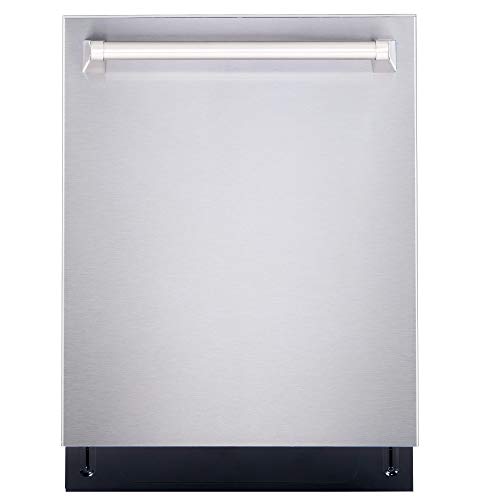
Sixteen place settings across three racks is the most capacity on this page, and the Cosmo delivers it in a stainless steel tall tub with a heated dry element. On raw specification against price, nothing else here is close: the machine with the next-largest capacity costs nearly two hundred dollars more and gives up a rack.
What makes it worth listing rather than just cheap is the evidence behind it. Sixty-one verified reviews is roughly ten times what the comparable BLACK+DECKER and Empava SKUs in this band have managed, and the listing has been on the platform since 2022 rather than being a three-month-old SKU with a handful of ratings propping up a flattering average. On a page where most of the lineup sits in single digits, sixty-one owners is a real signal.
The caveat is what those sixty-one reviews actually say, and it is a quality-control story. One owner’s control panel stopped responding after six months of daily use. Another had a unit arrive throwing an E4 error on the first cycle. A third flags the bottom rack wheels as not seating properly on the rails, so the rack does not roll smoothly when it is loaded. That is a 3.7-star average, not a 4.5, and the shape of the complaints is consistency rather than design. Worth knowing too: Cosmo’s own marketing says 45 dBA while Amazon’s spec sheet says 51 dB, and 51 is the number I would plan the kitchen around.
Cosmo Lumin COS-DIS6502 24-Inch Dishwasher
by Cosmo
The most capacity and the deepest owner record on this page for the money — three racks, sixteen settings, and a stainless tall tub, held back by a real quality-control tail in the reviews.
Pros
- Sixteen place settings across three racks is the largest capacity on this page, and it is one of only three machines here with a genuine third rack
- 61 verified reviews is the deepest owner record of any full-size 24-inch machine in this price band — roughly ten times what the comparable BLACK+DECKER SKUs have
- A stainless steel tall tub paired with a heated dry element, which is the combination that gets plastic containers dry without a separate cycle
- Listed at 51 dB, several decibels quieter than the Kenmore, and it has been on the platform since 2022 rather than being a freshly launched SKU with a thin rating
Cons
- Quality control is the recurring theme in the negative reviews — a failed control panel after six months of daily use and an E4 error out of the box both show up
- The bottom rack draws repeated complaints that the wheels do not seat properly on the rails, so it does not roll smoothly when loaded
- Cosmo lists 45 dBA in its marketing copy while Amazon's own spec sheet says 51 dB; treat 51 as the number you are actually buying
- Stock runs thin — it sits at a handful of units with more on the way rather than deep inventory
Midea 18-Inch Slim Built-In Dishwasher — Budget Pick
Five hundred and forty-eight verified reviews at 4.0 stars. On a page where most of the lineup is sitting in single digits, that number is worth more than any spec sheet on this list. At that review volume every failure mode has surfaced, been documented, and been factored into the average, and the average still holds. When a client asks me which of these I would actually bet on lasting a decade, the honest data-driven answer is this one, and nothing else on the page is close.
The other thing the Midea does that nothing else here can is fit. At 17.6 inches wide it goes into galley kitchens, condo units, and apartment retrofits where a 24-inch machine physically will not go — and a slim dishwasher that fits beats a full-size one that does not, every single time. It is Energy Star certified with a stainless tub, and it carries both heated dry and a high-temp wash, which is genuinely unusual at this tier. Plastics come out dry, and the hot rinse is there when you want it. If your kitchen is too tight even for this, a countertop dishwasher is the next thing to look at.
The trade is capacity, and it is not a small one. Eight place settings means a family of four is running this daily rather than every other day, and it is rated to fit 11-inch plates, so oversized dinner plates and serving platters will not clear the racks. Midea also does not publish a decibel rating, and I will not invent one — but 18-inch machines generally run louder than full-size ones because there is less cabinet mass to absorb the sound. If quiet is your priority, buy the Samsung. If footprint and proven data are, buy this.

Midea 18-Inch Slim Built-In Dishwasher
by Midea
The most-reviewed dishwasher in this roundup by an order of magnitude and the only one that fits an 18-inch opening — the budget pick without an asterisk on its data.
Pros
- 548 verified reviews at 4.0 stars is by far the deepest real-world record in this roundup — every failure mode has surfaced and the rating still holds
- 17.6 inches wide fits the galley kitchens, condos, and apartment retrofits where a 24-inch machine physically will not go
- Heated dry plus a high-temp wash at this tier is unusual — plastics come out dry and the hot rinse is there when you need it
- Energy Star certified with a stainless tub, so both the running cost and the odor resistance match machines costing considerably more
Cons
- Eight place settings means a family of four runs it daily rather than every other day — that is the honest trade for the slim footprint
- Midea does not publish a decibel rating for this unit, and 18-inch machines tend to run louder than full-size ones because there is less cabinet mass absorbing the sound
- Rated to fit 11-inch plates, so oversized dinner plates and large serving platters will not clear the racks
ZLINE DW-SN-24 Top Control Built-In Dishwasher — Best Integrated Look
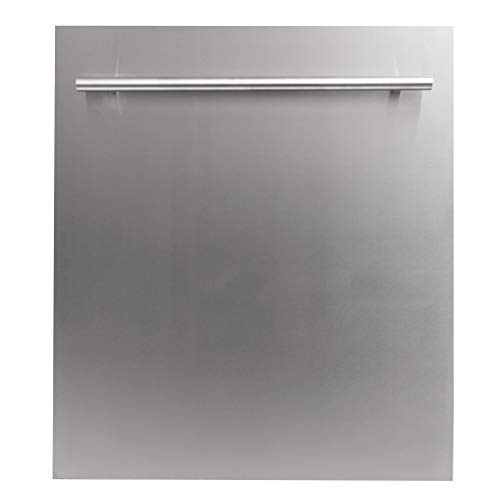
ZLINE built its reputation on ranges and hoods, and this dishwasher is designed to sit inside that visual language. The fully integrated top controls hide the panel inside the door edge, so the front of the machine is one clean satin stainless face and the cabinet run reads as an uninterrupted line. That is the look kitchen designers spec, and it is the reason this unit gets chosen over machines with better numbers on paper.
There is a practical advantage most people miss too. At 32.38 inches tall it is shorter than a standard full-size dishwasher, which sounds trivial until you are working in a 1950s kitchen with low counters or a floor that has been built up with tile and underlayment over the decades. I have had to shim, trim, and occasionally cut cabinet rails to make a standard-height dishwasher fit a retrofit opening. A shorter machine solves that problem for free. It also brings a stainless tub, for less than either the BLACK+DECKER or the Bosch asks.
The number you have to accept is 52 dBA. Only the Kenmore is louder, and because decibels are logarithmic the gap between this and the 42 dBA Samsung is much larger in practice than it looks written down. In an open-plan kitchen you will hear this running from the sofa. Combine that with two total reviews and a service network built around cooking appliances rather than dishwashers, and this becomes a specific recommendation rather than a general one: buy it if the integrated look or the reduced height is solving a real problem for you, not because it is cheap.
ZLINE DW-SN-24 Top Control Built-In Dishwasher
by ZLINE
The pick when the dishwasher has to disappear into the cabinetry, with a shorter-than-standard height that solves genuine retrofit problems — as long as you can live with 52 dBA.
Pros
- Fully integrated top controls hide the panel inside the door edge, so the cabinet run reads as one uninterrupted line — the look most kitchen designers spec
- The satin stainless panel handles fingerprints better than mirror-polish stainless and matches ZLINE's range and hood lineup if you are building a suite
- 32.38 inches tall is shorter than most full-size dishwashers, which solves real problems in older kitchens with low counters or a built-up subfloor
- A stainless tub in a full-size machine that undercuts both the BLACK+DECKER and the Bosch
Cons
- 52 dBA is second only to the Kenmore for noise on this page — you will hear this one from the sofa in an open-plan kitchen
- Two reviews total, so there is effectively no owner data to lean on either way
- ZLINE's dealer and service network is built around ranges and hoods rather than dishwashers, so budget extra time if it ever needs a part
Best Budget Dishwasher
A budget dishwasher is not a bad dishwasher — it is one that spends its money on the wash system instead of the app. What you give up at this end of the market is capacity, quiet operation, or both.
| Product | Price | Buy |
|---|---|---|
| Midea 18-Inch Slim Built-In DishwasherBest budget pick overall The least expensive machine here and the only one with a review base deep enough to trust — 548 owners at 4.0 stars, plus heated dry and a stainless tub. The catch is eight place settings, so a family runs it daily | $499.12 | View on Amazon |
| Kenmore 24-Inch Hybrid Tub DishwasherCheapest full-size machine here The lowest-priced full-size machine on this page, sold and shipped by Amazon, with heated dry and an adjustable upper rack. You pay for that in noise — 54 dBA is the loudest rating here | $449.99 | View on Amazon |
| Cosmo Lumin COS-DIS6502 24-Inch DishwasherBest budget buy with real capacity Sixteen place settings and three racks in a stainless tall tub, at the point where a budget buy stops feeling like a compromise, provided you can accept a 3.7-star quality-control record | $711.99 | View on Amazon |
Best Quiet Dishwasher
Decibels are logarithmic, so the spread between the quietest and loudest machine here is far wider than it reads. Anything at or under 45 dBA disappears into an open-plan kitchen. One of the seven units on this page does not publish a rating at all, and I have left it out of this section rather than guess.
| Product | Price | Buy |
|---|---|---|
| Samsung Bespoke DW80B7070USQuietest dishwasher overall (42 dBA) 42 dBA is the lowest published rating in this roundup, and it is the only machine here that pairs it with a genuine third rack. Read the 3.2-star average across five reviews before you commit, because it is skewed low rather than unsampled | $799.00 | View on Amazon |
| BLACK+DECKER BDW500MHS Designer SeriesQuietest full-size value (45 dB) 45 dB is three decibels above the leader and still comfortably inside the range where you stop noticing it — with fourteen place settings and heated dry, it is the most capable machine in this quiet group | $899.99 | View on Amazon |
| Cosmo Lumin COS-DIS6502 24-Inch DishwasherQuietest large-capacity option (51 dB) 51 dB is audible but not intrusive, and it is the quietest way to get sixteen place settings and three racks on this page. Note that Cosmo markets 45 dBA while Amazon lists 51 — plan around 51 | $711.99 | View on Amazon |
Best Dishwasher for Drying
This is where dishwashers genuinely differ. Heated dry uses an element to finish the load and gets plastics dry. Condensation drying relies on the stainless tub holding heat, is more energy efficient, is excellent on glass and ceramic, and leaves plastic wet every cycle. Pick based on which of those you care about, not on marketing language.
| Product | Price | Buy |
|---|---|---|
| BLACK+DECKER BDW500MHS Designer SeriesBest drying overall (heated dry) Heated dry plus a sanitize mode is the combination that actually brings plastic storage containers out dry, and it is paired here with the largest capacity on the list — my answer for anyone tired of towel-drying lids | $899.99 | View on Amazon |
| Midea 18-Inch Slim Built-In DishwasherBest heated dry on a budget The only other machine here with a heated dry element, and it costs a fraction of the alternatives. Small tub, but plastics come out dry and the high-temp wash handles the greasy loads | $499.12 | View on Amazon |
| Bosch 300 Series SHX53CM5NBest drying on glass and ceramic PureDry condensation drying is the best system in the category on stemware and ceramic, with no element that can etch glass or burn out. It will not dry plastics, and Bosch has never claimed otherwise | $1,499.98 | View on Amazon |
Best Stainless Steel Dishwasher
Almost every dishwasher sold has a stainless door. The spec that matters is the stainless tub — it holds heat for better drying, resists staining, and does not develop the odor a plastic tub picks up after a few years. Five of the seven machines here confirm a stainless tub; two brands do not publish the material at all, which tells you something.
| Product | Price | Buy |
|---|---|---|
| Bosch 300 Series SHX53CM5NBest stainless tub overall The stainless tall tub is what makes Bosch's condensation drying work — it holds enough heat after the final rinse to evaporate water off glass and ceramic without an element. The best-built tub in the category | $1,499.98 | View on Amazon |
| BLACK+DECKER BDW500MHS Designer SeriesBest stainless tub value A stainless tub with fourteen place settings and heated dry, at a price no full-size Bosch currently touches on this platform. The tub does the odor and heat-retention work, the element handles the plastics | $899.99 | View on Amazon |
| ZLINE DW-SN-24 Top Control Built-In DishwasherBest stainless exterior finish Satin stainless outside over a stainless tub inside, with the panel hidden in the door edge for a fully integrated look. The finish resists fingerprints better than mirror-polish stainless, which matters on a door your family touches daily | $818.97 | View on Amazon |
Best Dishwasher for Hard Water
Hard water leaves a mineral film on glassware that rinse aid alone will not fully solve. Nothing in the current Amazon field offers a steam cycle — that feature left the platform with LG. What is left that genuinely helps is a high-temperature wash or sanitize cycle, which keeps minerals in suspension long enough to drain rather than drying onto the glass, plus a hot final rinse and consistent rinse-aid use.
| Product | Price | Buy |
|---|---|---|
| Bosch 300 Series SHX53CM5NBest hard-water wash overall The stainless tall tub holds rinse heat through the drying phase, so dissolved minerals stay in suspension and drain instead of settling onto glassware. Condensation drying finishes without an element, which is what keeps hard-water film off stemware. The reliability-first hard-water choice | $1,499.98 | View on Amazon |
| BLACK+DECKER BDW500MHS Designer SeriesBest sanitize and heated dry combination Sanitize mode plus a heated dry element is the most effective pairing here on mineral-heavy supply — the hot rinse keeps minerals in solution and the element finishes the load before they can dry into spots | $899.99 | View on Amazon |
| Midea 18-Inch Slim Built-In DishwasherBest high-temp wash on a budget A high-temp wash and heated dry at the lowest price on this page. On hard water it does the same fundamental job as the machines above it, in a smaller tub | $499.12 | View on Amazon |
Best Dishwasher with a Third Rack
A third rack is a shallow top tray for utensils, measuring spoons, and small lids, and it is the single most useful capacity feature of the last decade because it frees the lower basket for actual dishes. It is also still uncommon in the current Amazon field: three of the seven machines here have one, and the cheapest of the three costs less than half what the dearest does.
| Product | Price | Buy |
|---|---|---|
| Cosmo Lumin COS-DIS6502 24-Inch DishwasherBest third rack for the money Three racks and sixteen place settings, the cheapest third rack on this page and the deepest review base of the three machines that have one. The 3.7-star average is a quality-control record, not a design problem | $711.99 | View on Amazon |
| Samsung Bespoke DW80B7070USQuietest third rack The quietest third rack on this page at 42 dBA. The 3.2-star average across five reviews is the trade-off you are accepting, and it costs more than the Cosmo for less capacity | $799.00 | View on Amazon |
| BLACK+DECKER BDW500MHS Designer SeriesBest rack flexibility without a third rack No third rack, but the two-inch adjustable top rack and fold-down lower tines deliver most of the same flexibility — you reconfigure the space rather than gaining a tray, and fourteen place settings means there is more space to reconfigure | $899.99 | View on Amazon |
Most Reliable Dishwasher Brand
Reliability decides whether you think about this appliance again for a decade. Two things predict it: how few electronic components a machine carries, and how much real owner data exists to check the claim against. Those two rarely point at the same machine here. One brand has the engineering record and almost no listing data behind it; another has more owner data than the rest of the page combined.
| Product | Price | Buy |
|---|---|---|
| Bosch 300 Series SHX53CM5NMost reliable brand overall Bosch keeps electronics to a minimum and has the lowest failure rate of any brand I install, which is a brand-level record built over twenty years of my own callbacks rather than anything this listing can show you. Read the two one-star ratings on it as the absence of data, not as a verdict, and buy it on the engineering or not at all | $1,499.98 | View on Amazon |
| Midea 18-Inch Slim Built-In DishwasherDeepest real-world review base 548 verified reviews at 4.0 stars is more owner data than every other machine on this list combined. At that volume the failure modes are known and the rating still holds — the most evidence-backed pick here | $499.12 | View on Amazon |
| Kenmore 24-Inch Hybrid Tub DishwasherBest-equipped from a legacy name Forty reviews at 3.9 stars is the best rating-and-sample combination of any full-size machine in this price class, and it sells and ships directly from Amazon rather than through a marketplace reseller. A thin record in absolute terms, and still the second-deepest full-size data set on this page | $449.99 | View on Amazon |
More Dishwasher Picks by Use Case
| Product | Price | Buy |
|---|---|---|
| Cosmo Lumin COS-DIS6502 24-Inch DishwasherBest dishwasher for the money Sixteen place settings across three racks in a stainless tall tub — the widest gap between what you pay and what you get on this page, as long as you have read the quality-control caveats above | $711.99 | View on Amazon |
| ZLINE DW-SN-24 Top Control Built-In DishwasherBest value dishwasher A stainless tub and integrated controls in a full-size 24-inch machine, with the satin finish that hides fingerprints. Value if you want the built-in look and the budget stops short of the leaders, provided 52 dBA is acceptable | $818.97 | View on Amazon |
| Midea 18-Inch Slim Built-In DishwasherBest dishwasher under $500 The only machine in this roundup that clears that threshold, and it still brings a stainless tub, heated dry, a high-temp wash, and Energy Star certification | $499.12 | View on Amazon |
| Midea 18-Inch Slim Built-In DishwasherBest compact dishwasher At 17.6 inches wide and 22.6 inches deep this is the smallest footprint here by a wide margin — the unit that fits a galley kitchen, a condo, or a tight retrofit opening | $499.12 | View on Amazon |
| BLACK+DECKER BDW500MHS Designer SeriesBest dishwasher under $1,000 The most equipped machine you can buy without crossing into four figures — fourteen place settings, stainless tub, heated dry, sanitize mode, and 45 dB operation | $899.99 | View on Amazon |
| BLACK+DECKER BDW500MHS Designer SeriesBest dishwasher for a large family Fourteen place settings with an adjustable top rack and fold-down lower tines handles the mixed, oversized loads a family of five actually generates in a day | $899.99 | View on Amazon |
Buyer's Guide
The dishwasher market on Amazon in 2026 is not the same market you will find at a local appliance dealer, so the buying criteria have shifted. Here is what I weigh on a job site before I spec a machine.
Availability Before Anything Else
This is the criterion that did not exist five years ago and now sits at the top of the list. LG, GE, GE Profile, and Whirlpool have largely stopped selling full-size 24-inch built-in dishwashers through Amazon — search the category today and most of those listings come back unavailable or used-only. That does not mean those brands are bad. It means Amazon is no longer where you buy them. If your heart is set on a Whirlpool or a GE Profile, call a local appliance dealer or a big-box appliance desk. If you want the machine delivered by the same account that ships everything else, your real field is the seven brands on this page.
Noise Level in Decibels
Decibels are logarithmic, so the gap between a 42 dBA machine and a 52 dBA machine is far wider than the ten-point spread suggests. Anything at or under 45 dBA effectively disappears into an open-plan kitchen. At 52 dBA you will hear the wash cycle from the living room. Two things worth knowing: not every manufacturer publishes a rating, and an unpublished number is usually not a flattering one. Where a brand stays quiet about noise, assume mid-to-high forties at best and plan the kitchen layout accordingly.
Drying System
Drying is where dishwashers actually differ in daily use. Condensation drying, which is what Bosch's PureDry system uses, relies on the stainless tub holding heat and works beautifully on glass and ceramic while leaving plastic containers wet every cycle. Heated dry, which the BLACK+DECKER and Midea units both have, uses an element to finish the load and gets plastics dry at the cost of a little more electricity. There is no steam cycle anywhere in the current Amazon field, so if steam is a must-have you are shopping at a dealer, not here.
Capacity Versus Footprint
Place settings are the honest capacity measure, and the spread on this list is enormous — 14 settings on the BLACK+DECKER units against 8 on the 18-inch Midea. A household of four generally wants 12 or more per load. But footprint constrains capacity absolutely: an 18-inch slim unit is the only thing that fits some galley kitchens and condo retrofits, and no amount of rack cleverness changes that. Measure the rough opening first, then shop the capacity that fits it.
Review Depth Versus Spec Sheet
Several machines on this list are new SKUs with single-digit review counts. A five-star average across one review tells you nothing, and I have flagged that honestly on every product where it applies. Only two picks here have a review base worth calling a track record: the Midea at over five hundred reviews and the Cosmo at sixty-one. If proven reliability matters more to you than features, weight those two heavily. If you are comfortable buying on specs and brand engineering, the newer listings open up options the review-heavy ones do not offer.
Installation Depth and Height
The number that ruins more dishwasher installs than any other is depth. A standard 24-inch cabinet run assumes roughly 24 inches of depth, and both BLACK+DECKER units here measure 26.5 inches — that extra two-plus inches has to come out of the countertop overhang or the machine sits proud of the cabinet face. Height matters too: the ZLINE is shorter than standard, which is an advantage in older kitchens with low counters and a liability if your opening is tall and you want a flush fit. Measure the opening in three dimensions before you order anything.
Final Verdict
For most kitchens, the Kenmore 24-Inch Hybrid Tub Dishwasher is the machine I would install. It is the least expensive full-size unit on this page, it has a heated dry element so plastics actually come out dry, the upper rack adjusts, and it sells and ships directly from Amazon rather than through a marketplace reseller. Two honest caveats: 54 dBA makes it the loudest machine here, so it is the wrong buy for an open-plan kitchen, and forty reviews is a thin record even though it is the best of any full-size machine in its price class. If you want capacity instead, the Cosmo Lumin gives you sixteen place settings and three racks for sixty dollars more.
If budget is the constraint, the Midea 18-Inch Slim Built-In Dishwasher is the most evidence-backed appliance on this page. Five hundred-plus reviews at 4.0 stars is more real-world data than everything else here combined, and it is the only unit that fits an 18-inch opening. If you want the best-engineered machine and can absorb the marketplace markup, the Bosch 300 Series SHX53CM5N is the upgrade — one of the few Bosch machines left with a live new-condition listing, at 46 dBA with a stainless tall tub and a third rack. Buy it for Bosch’s reliability record, because the listing itself has two one-star ratings and nothing else behind it.
Two closing notes from the field. First, if your heart is set on an LG, a GE Profile, or a Whirlpool, do not settle for a used or third-party Amazon listing — call a local appliance dealer. Those brands are still excellent and still in production; they have just left this particular sales channel, and a dealer will handle delivery, installation, and haul-away in one transaction. Second, installation is not sliding a box into a hole. Supply connection, drain hose routing with a proper high loop, electrical hookup, and leveling all determine whether the machine leaks and whether it washes properly. A good dishwasher installed badly will underperform a mediocre one installed correctly — I see it on job sites more often than I would like. While you have the sink base open, it is also the right moment to look at what is going on with your washer setup if the laundry room is next on the list.
Frequently Asked Questions
Why can't I find LG, GE, or Whirlpool dishwashers on Amazon anymore?
What is the most reliable dishwasher brand right now?
Is an 18-inch dishwasher big enough for a family?
How long should a dishwasher last, and what actually extends its life?
Should I buy a dishwasher online or from a local appliance dealer?
Related Articles
About the Reviewer

Jake Morrison, Licensed General Contractor
B.S. Construction Management, Purdue University
Jake Morrison has spent 14 years in residential construction and home renovation before founding DIYRated in 2026. After helping hundreds of homeowners choose the right tools and materials for their projects, he started writing the product guides he wished existed when he was starting out. Jake tests every major product recommendation in his workshop in Indianapolis and focuses on real-world performance over spec-sheet marketing.