7 Best Washer and Dryer Brands of 2026
Jake Morrison ranks the best washer and dryer brands of 2026. Compare LG, Kenmore, Samsung, Electrolux, GE, BLACK+DECKER, and COMFEE' on reliability, service network, and warranty, plus why Speed Queen and Whirlpool are dealer-only now.
Updated
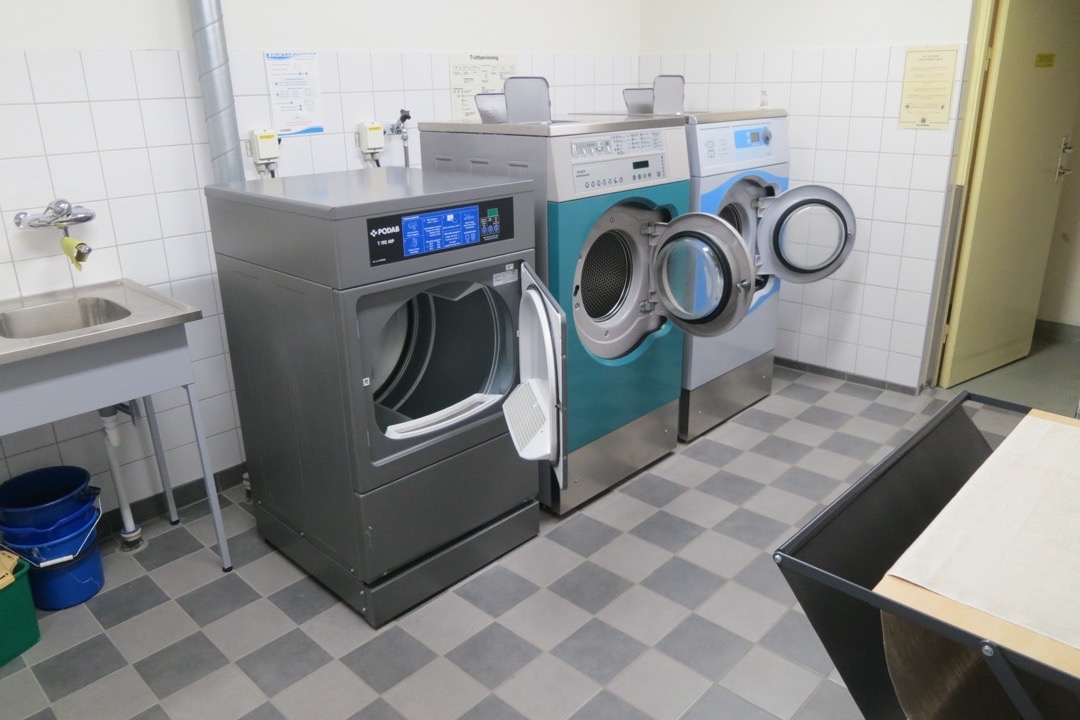
I have installed, swapped out, and diagnosed more washer and dryer sets over twenty years of contracting work than I can count. New construction, gut renovations, rental conversions, ADU builds, third-floor primary suite laundry rooms, basement laundry retrofits — the washer and dryer decision shows up on every project, and it is the appliance category where homeowners get the most confused and contradictory advice online. One site says LG is the most reliable. Another site says GE. A Reddit thread full of appliance techs tells you to buy Speed Queen. Consumer Reports ranks a fourth brand at the top. The problem is not that one of them is wrong — the problem is that each source is measuring a different thing, and nobody bothers to explain what.
Here is what actually happened in the last five years. Yale Appliance, a Boston-area dealer that tracks service call rates, started publishing their first-year reliability data and LG consistently comes out on top. J.D. Power’s annual U.S. Laundry Appliance Satisfaction Study measures owner-reported problems at the 3-year mark and GE has led that ranking for three consecutive years. Consumer Reports uses long-term member survey data and puts Speed Queen and LG in their predicted-reliability top tier. All three are correct within their own methodology. When someone asks you to pick the “most reliable” brand, you have to ask them what window of reliability they care about — the first year, the first three years, or the first decade.
After installing every brand in this roundup repeatedly, tracking callbacks, talking to appliance repair techs who service every brand, and reading through the 2024 and 2025 reliability data, here are the seven washer and dryer brands that earn space in a contractor’s recommendation list for 2026.
Find the Right Washer and Dryer Brand for You
Jump to the brand that fits your priority — or, if you already know the form factor you want, go straight to the dedicated guide:
- LG — most reliable overall
- Kenmore — best budget (LG-built)
- BLACK+DECKER — full-size on a 120V hookup
- Samsung — best smart features
- Electrolux — all-in-one laundry tower
- COMFEE’ — for a rental with no hookup
- GE — owner-rated reliability
- Speed Queen and Whirlpool — dealer-only now
- By form factor: front-load washers · top-load washers · stackable sets · all-in-one combos
LG — Most Reliable Overall (Best Pick)
LG is the brand I recommend most often on job sites in 2026, and it is not close. Yale Appliance’s first-year service call data puts LG at the top of every major brand they track — their Direct Drive motor has fewer moving parts than belt-driven competitors, and the 10-year parts warranty on that motor backs up the engineering claim with real money. The WM4200HWA is their 5.0 cubic foot front-load workhorse, and the capacity genuinely matters — you will fit a king-size comforter and a matching duvet cover in a single load, which is not possible in a standard 4.2 cu ft drum.
TurboWash 360 is the feature that changed how I think about front-load cycle times. A normal load finishes in roughly 30 minutes, which is meaningfully faster than the 45-60 minute cycles on competing front-loaders. When you are running four loads on a Saturday, the time difference adds up. The SmartThinQ Wi-Fi platform is mature — remote start, cycle alerts, voice control through Alexa and Google Home, and Proactive Customer Care that sends diagnostic codes to LG support before problems escalate. That last feature is genuinely useful for rural customers who cannot get a local tech out quickly.
Where LG front-loaders demand discipline is gasket maintenance. Every front-load washer develops the mildew smell if you do not wipe the gasket monthly and leave the door ajar between loads. This is not an LG problem — it is a front-load washer problem — but new buyers need to know it. The matching DLEX4200W electric dryer requires a 240V, 30-amp circuit, so if your laundry hookup is only wired for 120V you need an electrician. For everyone else, LG delivers the best combination of capacity, cycle speed, reliability, and warranty in the category. If you are choosing between this and a front-load washer from another brand, the LG is the pick until someone proves otherwise.

LG WM4200HWA 5.0 Cu Ft Front-Load Washer with Steam
by LG
LG leads the 2026 laundry category on Yale Appliance's first-year reliability data while offering the largest capacity and longest motor warranty in this roundup — the safest bet for most households.
Pros
- 5.0 cubic foot capacity handles oversized comforters and king-size bedding in a single load — 20% more drum volume than a standard 4.2 cu ft front-loader
- TurboWash 360 cycles complete in 30 minutes at 6-nozzle spray velocities — meaningfully faster than the 45-60 minute cycles standard on competing front-loaders
- Direct Drive motor carries a 10-year parts warranty and uses 60% fewer moving parts than belt-driven competitors — Yale Appliance tracks LG at the lowest first-year service call rate of any major brand
- SmartThinQ Wi-Fi with Proactive Customer Care sends diagnostic codes directly to LG support before problems escalate — a genuine advantage for remote troubleshooting in rural areas
Cons
- Front-load gasket requires monthly wiping and leaving the door ajar between loads — skip the routine and you get the mildew smell every front-loader is notorious for
- 240V electrical requirement on the matching DLEX4200W electric dryer limits installations in older homes with only a 120V laundry outlet
- SmartThinQ app has had intermittent connectivity issues reported after firmware updates — the Wi-Fi side of the platform is less mature than the core laundry hardware
Kenmore — Best Budget Brand (LG in Disguise)
Here is something most buyers do not know: Kenmore washers are manufactured by LG under the Kenmore nameplate. The Kenmore brand is owned by Transform SR Brands (the post-Sears-bankruptcy successor), but the actual hardware inside a Kenmore top-load washer is LG’s Direct Drive motor and core wash mechanism. You are buying LG engineering at roughly 30% off the LG-branded price — and that is not a marketing claim, that is what is inside the box when you pull off the cabinet panels.
The 4.5 cu ft Triple Action Impeller model is my go-to recommendation for rental properties and starter-home budgets. 120V standard electrical means it drops into any existing laundry hookup without an electrician. The impeller design fits 20% more clothes than a traditional agitator-style top-loader, and the wash performance is indistinguishable from the equivalent LG-branded model. 259 reviews at 4.3 stars means the failure modes have been documented at scale and the rating still holds — the math on reliability is validated.
The trade-offs are what you would expect at this price point. No Wi-Fi, no smart features, no Alexa integration — if you want app control, skip this tier. The other concern is the Kenmore service network, which has contracted significantly since the Sears bankruptcy. Parts are still available through Transform SR Brands and LG-compatible third parties, but finding a certified Kenmore-badged technician is harder than it was a decade ago. Most LG technicians can service these machines because the underlying hardware is LG, but you sometimes need to explain the relationship. For landlords, rental property owners, and anyone prioritizing value over features, Kenmore delivers LG engineering at a price that no other brand matches. Pair it with a matching top-load washer setup recommendation and you have the budget laundry room solved.

Kenmore 4.5 Cu Ft Top Load Washer with Triple Action Impeller
by Kenmore
Kenmore is LG's engineering in a lower-margin wrapper — the smartest way to get direct-drive reliability at a budget price point.
Pros
- Manufactured by LG under the Kenmore nameplate — you get LG's Direct Drive motor and core wash mechanism at roughly 30% off the LG-branded equivalent price
- Triple Action Impeller agitates loads without the center post of traditional agitators — gentler on fabric and fits 20% more clothes per load than agitator-style top-loaders
- 120V standard outlet installation with no dedicated circuit required — drops into any existing laundry hookup without an electrician, ideal for rental conversions
- 4.3-star average across 259 reviews validates the platform at scale — the failure modes have been documented and the rating still holds
Cons
- No Wi-Fi or smart features — if you want app control or Alexa integration, skip this tier
- Kenmore service network has shrunk since Sears' bankruptcy — parts still available through Transform SR Brands and LG-compatible third parties, but finding a certified Kenmore-badged tech is harder than it was a decade ago
BLACK+DECKER — Best Full-Size Washer on a 120V Hookup
BLACK+DECKER is not an appliance manufacturer. It is a licensed nameplate, which means the brand is rented to a contract builder, and I want that on the table before anything else, because it is the single most important thing to understand about buying this machine. What you get in exchange is the cheapest full-size agitator washer on this page with an Amazon buy box, sold and shipped by Amazon with free Room of Choice delivery so the crate ends up in the laundry room rather than the driveway.
The BTLW41MW is 4.1 cu ft, top-load, with a real agitator and a stainless steel tub, running on a standard 120V outlet. That last detail is why it earns a slot. A large share of the laundry closets I work in, especially in pre-1990 housing and converted rentals, have a 120V outlet and no realistic path to a 240V circuit without opening a wall. This machine drops into that hookup and washes a full-size load. The glass lid, LED display, and 10 cycles are a tier above the bare mechanical-dial machines that used to own this price bracket.
Read the star rating carefully, because Amazon will mislead you here if you skim. The 4.4 average across 9,272 ratings is pooled across the entire BLACK+DECKER washer family, from 0.9 cu ft countertop units up to 4.5 cu ft, and the overwhelming majority of those reviews were written by people who bought a small portable. That is not evidence about this machine. What owner reports exist on the full-size unit are mixed: it washes well and the spin cycle pulls enough water out to shorten dryer time, but there is at least one report of the spin mechanism failing near the one-year mark, and the water-level control draws consistent criticism. Combine that with the absence of any authorized in-home repair network behind a licensed nameplate, and the honest position is this: buy it if the 120V constraint is real and the budget is real, and go in knowing that a failure at year three likely means replacing the machine rather than repairing it.

BLACK+DECKER BTLW41MW 4.1 Cu Ft Top Load Washing Machine with Agitator
by BLACK+DECKER
The full-size agitator washer to buy when the hookup is 120V-only and the budget is real. Understand what you are buying: a licensed nameplate with no repair network, priced accordingly.
Pros
- 4.1 cu ft full-size drum on a standard 120V outlet, so it drops into any existing hookup with no electrician and no 240V circuit
- Traditional agitator with a stainless steel tub, which is the combination that still cleans heavily soiled work clothes better than an impeller
- Sold and shipped by Amazon with free Room of Choice delivery, so it lands where you want it rather than on the driveway
- Glass lid and an LED display with 10 cycles put it a tier above the bare mechanical-dial machines at this price
Cons
- The 4.4-star average is pooled across the whole BLACK+DECKER washer family from 0.9 up to 4.5 cu ft, and most of those reviews are for the small portable units, not this full-size machine
- BLACK+DECKER is a licensed appliance nameplate, not a legacy manufacturer, so there is no authorized in-home repair network behind it the way there is with Whirlpool or GE
- At least one owner reports the spin mechanism failing around the one-year mark, and the water-level control draws consistent criticism
Samsung — Best Smart Features (Runner-Up)
Samsung’s WF45T6000WPR front-load washer and dryer laundry package is the best smart-home-integrated laundry setup in this roundup. If your house is already running on SmartThings — thermostats, locks, lights, security cameras — the washer and dryer slot into that same ecosystem without configuration friction. Remote start, cycle monitoring, completion alerts, maintenance reminders, voice control through Alexa and Google Home, and SmartThings automations that can tie laundry cycles to other home events. For some buyers, that integration is worth the brand trade-offs. For others, it is noise.
The VRT Plus vibration reduction system is genuinely useful for upstairs laundry installations. Second-floor and third-floor laundry rooms over finished living space are increasingly common in new construction, and cheap front-loaders walk, shake, and transmit vibration into the floor structure. VRT Plus is one of the better vibration-reduction systems in the category — I have installed these in second-floor closet installations without additional floor reinforcement. Self-Clean+ automatically runs a tub-cleaning cycle every 40 loads to control the front-load mildew problem, which is a genuine benefit for owners who will not maintain the gasket manually.
Where Samsung loses points is the service network and long-term electronics reliability. Samsung’s authorized service is patchy outside major metros — rural installations often route through third-party shops that add 2-4 weeks to repair timelines. Control board failures on Samsung front-loaders at year 2-3 are documented across multiple Reddit and appliance forum threads, and the dryer drum squeaking at years 2-4 is a well-known issue traced to the idler pulley. Factor $180-250 for an extended warranty into the purchase decision — the math works out. For smart-home-first buyers in urban and suburban markets, Samsung is the right pick. For rural installations or buyers who prioritize 10+ year reliability, LG and Speed Queen are safer.

Samsung WF45T6000WPR Front Load Washer & Dryer Laundry Package
by Samsung
Samsung's matched package gives you the best smart-home integration in this roundup — ideal if your house is already on SmartThings and you value app control more than warranty length.
Pros
- Matched washer-dryer set sold as a single package means no design mismatch, no color variance, and no separate shipping logistics — everything arrives on one pallet
- VRT Plus vibration reduction allows upstairs laundry installations on second floors and over finished basements without the walking or floor shake common to cheaper front-loaders
- SmartThings app integrates washer and dryer cycles so you can remote-start, pause, and receive completion alerts — also integrates with Alexa and Google Home for voice control
- Self-Clean+ automatically runs a tub-cleaning cycle every 40 loads to control the mildew problem that defines front-load ownership
Cons
- Samsung's authorized service network is patchy outside major metros — in rural and small-town installations you often end up routing service through third-party shops, which adds 2-4 weeks to repair timelines
- Control board failures on Samsung front-loaders at year 2-3 are documented across multiple Reddit and appliance forum threads — factor a $180-250 extended warranty into your purchase calculation
- Samsung dryer drum squeaking at years 2-4 is a well-known issue traced to the idler pulley and drum bearing — not a death knell but a scheduled maintenance item
Electrolux — Best All-in-One Laundry Tower
Electrolux used to earn its slot on this list with 24-inch compact front-loaders, and that is still the machine I would spec for a studio conversion. It is no longer a machine you can buy on Amazon: the compact line lost its buy box, and what Electrolux actually sells through Amazon today is the ELTE7600AW laundry tower. It is a different answer to a related problem, and on its own terms a good one.
The tower is a 4.5 cu ft front-load washer with an 8.0 cu ft dryer built above it inside a single 27-inch cabinet. That is not the same thing as a stacked pair. On an aftermarket stack, a bracket kit holds the dryer on top of the washer, and that kit is the part that loosens under years of spin-cycle vibration until the dryer starts to shift. A factory tower shares one structural cabinet, so there is no kit to fail. The dryer is the largest in this roundup by a clear margin, which is the practical difference between a king comforter being one load or two, and SmartBoost pre-mixes detergent with water before the cycle begins so the drum sees activated detergent from the first pulse rather than at the halfway mark.
Two things to be honest about, and they are both about the listing rather than the machine. This ASIN carries three Amazon ratings. One of them is a buyer reporting that the dryer half did not work on arrival and needed to go back. Three reviews is not a sample, and a dead-on-arrival report inside a sample that small tells you almost nothing about the failure rate but tells you exactly what to do: unbox, run a full wash and a full dry cycle, and confirm both halves work while you are still inside the return window. It is also sold by a third-party seller rather than Amazon, so delivery scheduling and any damage claim route through that seller. Electrolux service coverage remains thin outside major metros, though Frigidaire techs share the platform. If you want the compact 24-inch Electrolux instead, buy it from an appliance dealer, not here.

Electrolux ELTE7600AW 4.5 Cu Ft Front-Load Washer and 8.0 Cu Ft Electric Dryer Laundry Tower
by Electrolux
A factory-built tower that stacks a full-size 4.5 cu ft washer under the biggest dryer in this roundup, in one 27-inch cabinet. The right answer for a laundry closet that has height but not width, if you can live with a thin review record.
Pros
- Factory-built tower puts a 4.5 cu ft front-load washer under an 8.0 cu ft dryer in one 27-inch cabinet, so there is no aftermarket stacking kit to loosen and no vibration walk
- SmartBoost pre-mixes detergent and water before the cycle starts, so the drum gets fully activated detergent from the first spray pulse instead of at the halfway mark
- 8.0 cu ft dryer is the largest in this roundup, which is what makes a king comforter a one-load job rather than a two-load job
- Electrolux and Frigidaire share a parent and a mechanical platform, so Frigidaire-badged techs can service these even where the Electrolux premium line has no dedicated coverage
Cons
- Only 3 Amazon ratings on this listing, and one of them is a buyer reporting the dryer half arrived dead on delivery — that is thin evidence for a two-thousand-dollar purchase, so inspect and test both halves before the return window closes
- Sold by a third-party seller rather than Amazon directly, which means delivery scheduling and any damage claim run through that seller
- Electric dryer needs a 240V, 30-amp dedicated circuit, and Electrolux service technicians are rare outside major metros
COMFEE’ — Best Washer for a Rental With No Hookup
Every other machine on this page assumes you have laundry plumbing. This one does not, and that is the whole reason it is here. The COMFEE’ 2.4 cu ft portable rolls on casters, connects to a kitchen or bathroom faucet with an adapter, and drains into the sink. For an apartment, a dorm, a basement suite, or any rental where the landlord will never run a standpipe, it is the difference between doing laundry at home and doing it at a laundromat.
It also has the deepest owner record on this page by a wide margin: 8,507 ratings at 4.4 stars, which is more real buyer evidence than the LG, Kenmore, Samsung, Electrolux, and GE entries combined. COMFEE’ is a Midea Group brand, and Midea is one of the largest appliance manufacturers in the world, so this is a real supply chain with real parts behind it rather than a drop-ship listing. The Hygiene+ mode runs roughly three times the rinse cycles of a typical portable, which closes most of the practical cleaning gap to a full-size machine.
The limits are exactly what the form factor implies and you should not talk yourself out of them. At 2.4 cu ft it holds roughly a third of what a full-size 4.5 cu ft washer holds, so a family of four will be running it most evenings. The faucet adapter and sink drain are a workable arrangement, not a permanent installation, and you will be moving the unit to use the sink. Stock on this listing runs thin and slips in and out of backorder. If you have a real hookup, buy a real washer. If you do not, this is the best-evidenced machine in the category.
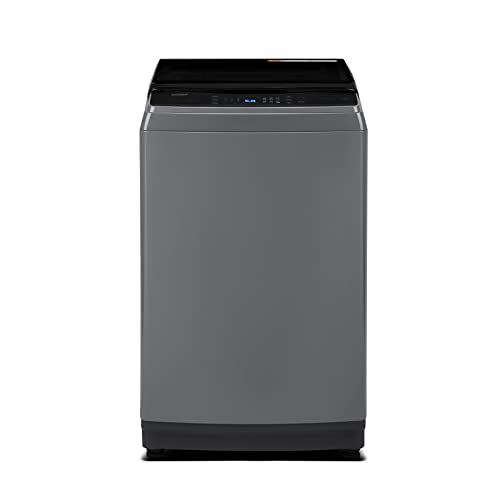
COMFEE' 2.4 Cu Ft Portable Washing Machine with LED Display
by COMFEE' (Midea Group)
The answer for a rental or a dorm with no laundry hookup at all, and the most thoroughly reviewed machine on this page. Small, but it genuinely works.
Pros
- 2.4 cu ft on casters with a sink-adapter hookup, which makes it the only machine here that installs in a rental with no laundry plumbing at all
- 8,500-plus reviews at 4.4 stars is the deepest owner record of any machine in this roundup, by a wide margin
- Hygiene+ mode runs roughly three times the rinse of a typical portable, which is what closes most of the cleaning gap to a full-size unit
- Backed by Midea Group, one of the largest appliance manufacturers in the world, so parts and support are real rather than drop-ship
Cons
- 2.4 cu ft handles roughly a third of what a full-size 4.5 cu ft washer does, so a family will run it constantly
- Portable by design means a drain hose over the sink and a faucet adapter, which is a workable setup but not a permanent one
- Stock runs thin on this listing and it moves in and out of backorder, so check availability before you plan around it
GE — J.D. Power’s Reliability Leader
J.D. Power’s 2024 U.S. Laundry Appliance Satisfaction Study ranked GE #1 in owner-reported problems per 100 units at the 3-year mark. That is the most current reliability data we have from actual owners, measured at a window that matters (3 years is past the warranty period and into the first wave of real failures). GE’s GUD27ESPMDG Unitized Spacemaker is a stacked washer-dryer combination in a single 27-inch-wide cabinet, sold in Diamond Gray — factory-built as one unit rather than two machines stacked aftermarket.
The unitized construction is meaningful. Aftermarket-stacked front-loader pairs use a stacking kit to attach the dryer on top of the washer, and the stacking kit is a common failure point — vibration loosens the kit over time, the dryer shifts, and the whole setup becomes unstable. Factory-unitized sets like this GE eliminate the stacking kit entirely because the washer and dryer share a structural cabinet. The 3.8 cu ft washer plus 5.9 cu ft dryer capacity is smaller than a full-size 4.5 + 7.4 cu ft side-by-side, but the footprint is 50% smaller — exactly what you need for laundry closets in apartments, small homes, and townhouses.
The Haier acquisition in 2016 is worth addressing because customers still ask about it. Haier acquired GE Appliances from General Electric and has continued manufacturing at the Louisville, Kentucky factory with domestic engineering teams in place. The J.D. Power #1 ranking in 2024 reflects the current Haier-era production, not pre-acquisition legacy. Haier’s global scale has actually expanded parts supply chains — OEM parts stay in production longer than with many domestic-only competitors. The weak spots on this specific unit show up in its own owner reports, and they are worth knowing before you click: the control knob is thin plastic and has snapped on the dryer side for more than one buyer, and the machine can hang mid-cycle or dump water until it is power-cycled. Neither is a structural fault, but both are the kind of thing you want a warranty claim open on early rather than at year three. Electric dryer requires 240V, 30-amp dedicated circuit, with no way around that. The white GUD27ESSMWW that used to sit here lost its Amazon buy box, and the Diamond Gray has since lost its featured offer too — it now sells through a single third-party listing rather than a standard buy box, so check the seller, the shipping window, and the return terms in the buying-options panel before you commit. For apartment installations, duplex rentals, and laundry closets where full-size side-by-side will not fit, this is the practical answer.

GE GUD27ESPMDG Unitized Spacemaker Stacked Washer and Electric Dryer, Diamond Gray
by GE
GE's unitized stacked laundry center is the space-saving answer for closets and apartments — and the broader GE brand leads J.D. Power's owner-reported reliability data at the 3-year mark.
Pros
- J.D. Power 2024 U.S. Laundry Appliance Satisfaction Study ranks GE #1 in owner-reported problems per 100 units at the 3-year mark — the most reliable major brand by actual owner data
- Unitized stacked design combines a 3.8 cu ft washer and 5.9 cu ft dryer in a single 27-inch-wide footprint — fits laundry closets where full-size side-by-side sets cannot
- Factory-stacked construction eliminates the stacking kit failures and vibration issues common on aftermarket-stacked front-loader pairs
- GE is now owned by Haier (since 2016) and the parts supply chain has actually expanded — Haier's global scale means OEM parts stay in production longer than many domestic competitors
Cons
- Electric dryer requires 240V, 30-amp dedicated circuit — if your laundry closet is only wired for 120V you need an electrician before installation
- Owner reports on this listing cluster around two complaints: the control knob is flimsy plastic and has broken on the dryer side, and the machine can stick mid-cycle or dump water until it is reset
Speed Queen and Whirlpool: The Two Brands Amazon No Longer Sells
Two brands that belong in any honest ranking of washer manufacturers have no buy box on Amazon at all as of August 2026. I am leaving them on this page because the question “which brand should I buy” has a different answer than “which brand can I click on right now,” and pretending otherwise would make this list less useful, not more.
Speed Queen — the longest-lived washer you can buy, from a dealer
Speed Queen is the brand appliance repair technicians buy for their own homes. That pattern is consistent across Reddit’s r/appliances, the major repair forums, and industry surveys, and the reasoning is always the same. Speed Queen’s residential top-loaders use commercial-grade construction, a stainless steel tub, a cast iron transmission, and a single-speed direct-drive motor engineered for a 25-year service life. Most feature-rich competitors get replaced at 8 to 12 years when an electronic control board fails. Speed Queen has no control board to fail. The 5-year full parts and labor warranty is the longest in residential laundry, against the 1-year parts and labor that is standard everywhere else, and that gap is worth a meaningful fraction of the purchase price in pre-paid service coverage.
The 2018 redesign is worth knowing about because it still comes up. Speed Queen replaced the traditional agitator with a gentler modern wash mechanism for the 2018 model year, their core customers reacted badly, and in 2019 the company reverted to the classic agitator platform. The machines sold today are that reverted design. The honest trade-offs are real: heavy water use, no smart features whatsoever, white-only styling, and a cabinet wider than some older laundry framing accommodates.
Alliance Laundry Systems sells Speed Queen through its authorized dealer network, and as of this update there is no Speed Queen washer with a working Amazon buy box. Every listing I checked is either unavailable or third-party at a markup. Buy it from a local dealer, who will typically beat the markup anyway and include delivery, hookup, and haul-away.
Whirlpool — the widest service network, also dealer-only now
Whirlpool’s advantage was never the washer itself, it is everything that happens after you install it. Whirlpool Corporation runs the widest factory-authorized service network in the United States, with more than 2,800 certified providers. In small towns and rural areas that is often the deciding factor: when the machine fails in year four and you need a tech on site inside a week, Whirlpool can actually do that in nearly every ZIP code. The corporate family covers Maytag, Amana, Jenn-Air, and KitchenAid, and parts interchange across those nameplates is extensive, which keeps repair parts in production longer than any single-brand competitor manages.
Whirlpool and Maytag have moved their new machines off Amazon and onto appliance dealers. That shift has now finished: the last Whirlpool-family listing on this page, a factory-renewed Amana, lost its buy box as well. If service reach is your priority, buy Whirlpool or Maytag from a dealer. For stackable configurations, Whirlpool also offers factory-matched pairs that stack without aftermarket kits.
Brand Ownership: Who Actually Makes Your Washer?
The laundry appliance market looks like seven or eight independent brands, but the actual ownership structure is four corporate parents. Understanding who owns what explains parts availability, service network overlap, and why certain brands have the quirks they do. Whirlpool Corporation owns Whirlpool, Maytag, Amana, Jenn-Air, and KitchenAid — the largest laundry appliance manufacturer in the U.S., and the reason parts interchange is so strong across that group. Electrolux owns Frigidaire and the premium Electrolux line. GE Appliances is owned by Haier (since 2016) and includes GE, GE Profile, and Cafe. LG manufactures under its own nameplate and also builds Kenmore washers for Transform SR Brands.
Samsung and Speed Queen stand alone. Samsung is a single-parent brand (Samsung Electronics) with no U.S. sister brands in laundry. Speed Queen is owned by Alliance Laundry Systems, which also owns Huebsch and UniMac — both commercial laundry brands that are rarely sold into residential. This is part of why Speed Queen’s engineering is so different from residential competitors: the engineering DNA comes from laundromat-grade commercial equipment, not consumer appliances.
The practical implication for buyers is that “brand reliability” rankings are often actually corporate-family reliability rankings. When Whirlpool tops a reliability list, that typically applies to Maytag and Amana too. When GE does well, the GE Profile premium line shares the same underlying platforms. When you shop for a washer, ask not just “is this brand reliable” but “which corporate parent makes it” — because your repair tech will tell you the same thing.
Installation Reality Check: What the Box Doesn’t Tell You
Here is the part of washer and dryer purchasing that almost no online review covers. The appliance arrives, the delivery team drops it in your laundry room, and then you discover the hookup does not match. I see this on roughly 30% of new-construction laundry installations I walk into, and on more than half of renovation installations in homes built before 2000.
Washers are simple — 120V single-phase on a standard outlet, no electrician required. Electric dryers are where it gets complicated. Electric dryers need 240V on a 30-amp dedicated circuit with a NEMA 14-30 outlet. That is not the standard 120V outlet in most rooms, and if your laundry hookup was designed for a gas dryer (or is 15+ years old with an older 3-prong NEMA 10-30 outlet), you need an electrician to install the correct receptacle before the dryer goes in. Gas dryers need 120V for the controls plus a 1/2-inch gas supply line with a manual shutoff — installing a gas line into a laundry room that was not designed for one is a $400-800 plumbing job. Neither is a deal-breaker, but both are line items that do not show up on the appliance receipt.
Drain routing matters. The washer drain needs a 2-inch PVC standpipe, 30-36 inches tall, plumbed to the main drain line. Slop sinks and laundry tubs can substitute if they meet the same drop-and-flow specs, but make sure the standpipe height is correct — too short and the washer drains backward, too tall and the pump works against gravity and fails prematurely. Front-load washers require a level floor or adjustable feet leveled within 1/8 inch. Out-of-level installation causes walking, vibration, and premature bearing wear — I have replaced more front-load bearings caused by out-of-level installations than by actual bearing defects. Stacked installations need rigid floor mounting, proper stacking kits for the specific brand, and at least 6 inches of clearance above the dryer vent exhaust. Closet installations need adequate ventilation — a solid-core closet door on a dryer causes overheating within months. If any of this is outside your comfort zone, hire a licensed installer. A $1,500 washer installed badly will underperform a $700 washer installed correctly every single day.
Buyer's Guide
Reliability Data (Yale vs J.D. Power vs Consumer Reports)
You will find contradictory reliability rankings across three major sources and all of them are technically correct. Yale Appliance tracks first-year service call rate and ranks LG at the top — meaning LG units are least likely to break within 12 months. J.D. Power's 2024 study measures owner-reported problems per 100 units at the 3-year mark and ranks GE #1 — meaning GE owners report the fewest problems over a longer window. Consumer Reports uses member survey data for predicted reliability and ranks Speed Queen, LG, and Whirlpool in the top tier. The methodology differences matter: Yale measures warranty-period failures, J.D. Power measures medium-term ownership experience, and Consumer Reports measures long-term predicted reliability. For a 10-year ownership window, Speed Queen and LG consistently appear near the top across all three. If you plan to move within 3-5 years, prioritize Yale's first-year data (LG). If this is a forever home, prioritize J.D. Power's 3-year data (GE) and Consumer Reports' long-term rankings (Speed Queen).
Warranty Coverage
Standard residential laundry warranty is 1 year parts and labor across almost every brand — Samsung, Kenmore, Whirlpool, GE, and Electrolux all offer this baseline. LG extends motor coverage to 10 years parts-only, which is meaningful because the motor is the second-most-expensive component to replace. Speed Queen is the outlier with 5 full years of parts AND labor, the longest in the residential category, and that gap is worth a real fraction of the purchase price in pre-paid service coverage. It is also dealer-only now, so factor it in when you price a Speed Queen against an Amazon machine rather than treating the sticker prices as comparable. For Samsung and LG front-loaders, budget for an extended warranty on top of the purchase, because the 2-3 year electronic control board failures are documented enough that the math works out. At the bottom of the price range the warranty question inverts: a licensed nameplate like BLACK+DECKER carries a 1-year limited warranty and no authorized in-home repair network, which means a year-three failure is usually a replacement rather than a repair.
Parts and Service Network
Whirlpool operates the widest factory-authorized service network in the U.S. with over 2,800 certified providers — in secondary markets and rural areas this is often the deciding factor. Whirlpool Corporation also owns Maytag, Amana, Jenn-Air, and KitchenAid, so parts interchange is extensive. LG's service network has grown significantly in the last 5 years and is now solid in metro areas, though coverage thins out in truly rural territory. Samsung's authorized service is patchy outside major metros — rural installations often route through third-party shops that add 2-4 weeks to repair timelines. Speed Queen parts are available for 25+ years and the mechanical design is simple enough that most local independent appliance repair shops can service them without factory training. The brands with no service story at all are the licensed nameplates: BLACK+DECKER laundry is built under license rather than by an appliance manufacturer, and there is no authorized in-home repair network behind it. COMFEE' sits in between, backed by Midea Group's parts supply but without a legacy US service footprint. Before you buy any brand, search your ZIP code plus '[brand] authorized service' — if the closest provider is more than 45 minutes away, reconsider.
Washer Type: Front Load vs Top Load
Front-load washers use 40% less water, deliver better cleaning performance, spin at higher RPM (meaning clothes come out drier and dry cycles run shorter), and fit under counters for stackable installations — but they require monthly gasket maintenance to prevent the mildew smell that defines front-load ownership. Top-load washers with agitators run shorter cycles, cost less, and are immune to mildew problems — but they use more water, are gentler on fabric, and fit 20% fewer clothes per load than high-efficiency front-loaders. Top-load impeller (no center agitator) washers split the difference: HE efficiency in a top-loading form factor, but they can tangle sheets and longer items. For larger families with heavy laundry volume, front-load efficiency pays off. For rentals, landlords, and users who refuse to wipe a gasket monthly, top-load is the right call. For hard-use applications (work clothes, construction gear, contractor laundry), traditional top-load with a real agitator still cleans deepest.
Smart Features
LG ThinQ, Samsung SmartThings, and GE SmartHQ are the three major smart-home platforms. ThinQ and SmartThings are the most mature — both support remote start, cycle monitoring, completion alerts, maintenance reminders, and voice control through Alexa and Google Home. SmartHQ is more basic but covers the essentials. The genuine day-to-day value of smart features is narrower than marketing suggests: 90% of users set their favorite cycle and rarely touch the app again. The legitimate use cases are (1) starting a load remotely before you arrive home so the wash finishes as you walk in, (2) getting a completion alert so laundry does not sit wet in the washer, and (3) diagnostic reporting so a service tech knows what is wrong before arriving. Speed Queen intentionally ships with zero smart features — the design philosophy is that electronics are the primary failure mode on modern appliances, so eliminating them extends lifespan. This is a legitimate engineering position, not marketing positioning.
Installation Requirements
Every washer is 120V, single-phase, on a standard outlet — no electrician required. Electric dryers require 240V, 30-amp on a dedicated circuit with a NEMA 14-30 outlet. Gas dryers need 120V for controls plus a 1/2-inch gas supply line with a manual shutoff. Drain routing is standpipe-fed: 2-inch PVC standpipe, 30-36 inches tall, plumbed to the main drain line. Front-load washers require a level floor or adjustable feet leveled within 1/8 inch — out-of-level installation causes walking, vibration, and premature bearing wear. Stacked installations need rigid floor mounting, proper stacking kits for the specific brand, and at least 6 inches of clearance above the dryer vent exhaust. Closet installations need adequate ventilation — a closed door with a solid core door causes dryers to overheat. If your laundry hookup is more than 15 years old, have an electrician verify the 240V receptacle is still up to code before installing a new electric dryer.
Final Verdict
For most households, the LG WM4200HWA is the right washer to buy. It tops Yale Appliance’s first-year reliability data, offers the largest capacity in this roundup, and backs the Direct Drive motor with a 10-year warranty that no competitor matches. Install it, maintain the gasket monthly, and it will serve you reliably for 12+ years.
If budget is the priority, the Kenmore 4.5 cu ft Triple Action Impeller is the smartest value in the category — you are buying LG engineering at roughly 30% off the LG-branded price, and the 259 reviews at 4.3 stars validate the platform at scale. If your laundry closet has height but not width, the Electrolux ELTE7600AW tower is the upgrade pick, with the biggest dryer here in a single factory-built cabinet. If the hookup is 120V-only, the BLACK+DECKER BTLW41MW is the cheapest full-size agitator washer here with a live buy box, on the understanding that it is a licensed nameplate with no repair network. And if there is no hookup at all, the COMFEE’ 2.4 cu ft portable is the most thoroughly reviewed machine on this page. If you want commercial-grade durability with the longest warranty in residential laundry, Speed Queen is still the right machine, but it is a dealer purchase now rather than an Amazon one.
One last note from the field: the best washer installed badly underperforms a mediocre washer installed correctly. Before you spend $1,500 on a premium LG or Samsung front-loader, verify your 240V electric dryer receptacle is up to code, confirm your floor is level and rigid enough for vibration, and make sure your drain standpipe is the correct height. If any of those are wrong, fix them before the appliances arrive. I see more laundry room warranty claims caused by installation errors than by actual manufacturing defects, and no warranty covers homeowner installation mistakes. Buy the right brand for your situation, and install it right the first time.
Frequently Asked Questions
What is the most reliable washer and dryer brand in 2026?
What brand do appliance repair technicians actually recommend?
Is Speed Queen worth the premium?
Is GE still good after the Haier acquisition?
Should I buy a matching washer and dryer set or mix brands?
Can you stack a washer and dryer from two different brands?
Which washer and dryer brands should you avoid?
Related Articles
About the Reviewer

Jake Morrison, Licensed General Contractor
B.S. Construction Management, Purdue University
Jake Morrison has spent 14 years in residential construction and home renovation before founding DIYRated in 2026. After helping hundreds of homeowners choose the right tools and materials for their projects, he started writing the product guides he wished existed when he was starting out. Jake tests every major product recommendation in his workshop in Indianapolis and focuses on real-world performance over spec-sheet marketing.