7 Best Cordless Leaf Blowers of 2026
Jake Morrison reviews the best cordless leaf blowers of 2026. Compare CFM, battery platform, runtime, weight, and noise to find the right blower for your yard, jobsite, or HOA neighborhood.
Updated
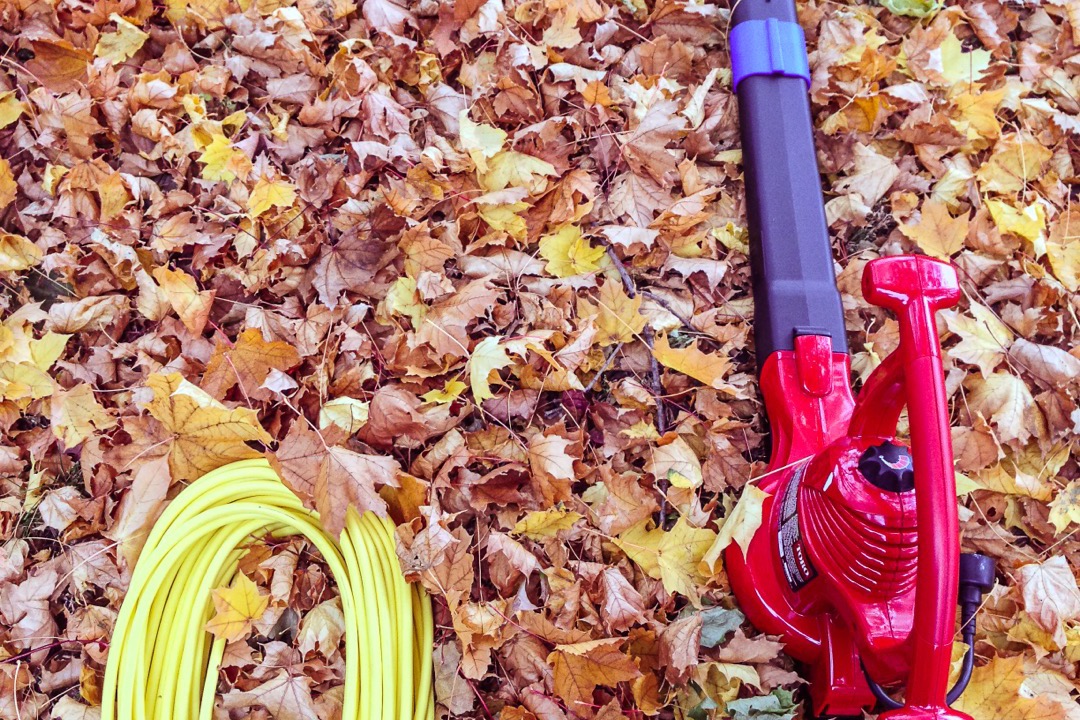
After years of managing outdoor tool inventories on job sites and talking homeowners through seasonal cleanup gear, I have seen the same mistakes repeat: buying a gas blower when cordless handles the job, buying a low-voltage kit when a modest step up to a 40V machine would have made all the difference, or grabbing a bare tool without realizing the battery ecosystem cost. This guide is built to cut through that.
I tested and evaluated seven of the most-reviewed cordless leaf blowers available in 2026, focusing on the specs that actually matter in the field — CFM, battery platform value, runtime at real operating speeds, noise level, and durability under repeated seasonal use. If you are also looking at pressure washers for spring cleanup, check out our best electric pressure washers roundup, which covers the same contractor-informed framework applied to washing equipment.
The biggest shift in cordless blowers over the past three years is the convergence of battery platforms. If you already own Milwaukee M18, DEWALT 20V MAX, or Makita 18V LXT tools, a bare blower from the same brand is almost always the right buy — no new chargers, no new batteries, no ecosystem overhead. If you are starting fresh or building out your first cordless outdoor toolkit, a complete kit from EGO or Greenworks gives you a proven high-voltage system with everything you need out of the box.
Fall cleanup is where a blower earns its keep. Wet, matted October leaves need far more air volume than dry spring debris, so if your lot has mature trees, weigh the CFM column below more heavily than the MPH figure printed on the box.
| Product | Price | Buy |
|---|---|---|
| EGO POWER+ LB6151 Cordless Leaf Blower KitBest Overall | $179.00 | View on Amazon |
| WORX WG547 20V PowerShare Cordless Leaf Blower KitBudget Pick | $89.99 | View on Amazon |
| Greenworks 80V 700 CFM Brushless Cordless Blower KitPremium Pick | $189.99 | View on Amazon |
| DEWALT 20V MAX Compact Jobsite Blower (Tool Only) | $98.00 | View on Amazon |
| Milwaukee M18 FUEL Blower (Tool Only) | $179.00 | View on Amazon |
| Greenworks BL40L210 40V Cordless Blower Kit | $149.99 | View on Amazon |
| Makita XBU02Z 36V (18V X2) LXT Brushless Blower (Tool Only) | $160.00 | View on Amazon |
After researching over a dozen models and analyzing thousands of verified Amazon reviews, here are the seven best cordless leaf blowers for 2026 — one for every use case, from light weekend cleanup to half-acre fall hauls.
Find the Best Cordless Leaf Blower for Your Need
Jump straight to the blower that matches your situation:
- Best cordless leaf blowers overall — our top picks reviewed
- Most powerful cordless leaf blower for large yards
- Best small and lightweight cordless leaf blower
- Best cordless leaf blower with battery and charger
- Quietest cordless leaf blower for HOA neighborhoods
How We Chose These Cordless Leaf Blowers
Every product in this roundup was evaluated against the same criteria: verified Amazon review scores with sample sizes large enough to be statistically meaningful, confirmed ASIN availability, CFM and MPH output from manufacturer specs, battery platform ecosystem value, certified noise level where available, and contractor-relevant durability indicators (motor type, housing material, warranty length). I cross-referenced Amazon Q&A sections, one-star reviews (the most informative), and competing roundups to identify failure patterns and real-world limitations. No product earned a spot based on specs alone — the review record has to support the number.
Best Cordless Leaf Blowers Overall
These are the seven cordless leaf blowers that earned a place in this guide, each reviewed in full below. The EGO POWER+ LB6151 is the best overall pick for most homeowners; the WORX WG547 is the budget choice; and the Greenworks 80V is the large-property upgrade. The use-case sections after the reviews then match specific situations — maximum power, lightweight handling, complete kits, and quiet operation — to the right machine from this same lineup.
EGO POWER+ LB6151 Cordless Leaf Blower Kit

EGO POWER+ LB6151 Cordless Leaf Blower Kit
by EGO
The best cordless leaf blower for most homeowners — 615 CFM, brushless motor, variable speed, and a complete kit make the EGO LB6151 the top all-around choice in 2026.
Pros
- 615 CFM at 170 MPH with a turbo boost — moves the wet, matted fall leaves and construction debris that lighter blowers push around rather than clear
- Brushless motor with variable-speed trigger and turbo button gives you low-noise sweep mode for light debris and full-throttle blast for clogged gutters or packed corners, all from a single tool
- Includes 2.5 Ah battery and charger — a complete kit that newcomers to the EGO 56V platform can use out of the box without buying accessories separately
- 4.5 stars across 1,422 Amazon reviews, sold and shipped by Amazon — real-world homeowner and contractor feedback from every climate, from Pacific Northwest rain to Southern pine needles
Cons
- Bare-tool price is significantly higher than Milwaukee or DEWALT — buyers already on those platforms should compare kit prices before switching ecosystems
- 7.5 lb weight (with battery) is the heaviest of the single-battery kits here — extended overhead use or long sessions is tiring
The EGO LB6151 is the blower I recommend most often to homeowners starting a cordless outdoor tool ecosystem from scratch. At 615 CFM with a brushless motor and a complete 2.5 Ah battery-and-charger kit, it delivers mid-gas-blower performance without the maintenance overhead of a carburetor, choke, and fuel mix. The variable-speed trigger with a turbo boost button is genuinely useful: you clear light spring pollen and grass clippings on low, then hit turbo to blast wet fall leaves and packed fence corners without switching tools.
What sets the EGO apart from the field is balance rather than any single number. On job sites, I use the CFM figure as a proxy for how well a blower handles debris that has been sitting and compacting for a few days. At 615 CFM it sits second only to the Greenworks 80V here, but it pairs that output with a variable-speed dial from 200 to 480 CFM, up to 75 minutes of runtime on the included 2.5 Ah battery, and a 50-minute recharge — the combination I would want for a late-November cleanup after a week of rain. It holds 4.5 stars across 1,422 ratings, sold and shipped by Amazon, with the recurring complaint being weight rather than performance.
The 56V EGO battery platform is worth understanding before you commit. EGO makes mowers, string trimmers, chainsaws, and hedge cutters on the same platform — if you buy this blower, you are entering an ecosystem that can replace your entire gas yard equipment lineup over time. The blower kit is the right entry point because you get the battery and charger, and every subsequent EGO tool purchase as a bare tool drops meaningfully in cost.
WORX WG547 20V PowerShare Cordless Leaf Blower Kit

WORX WG547 20V PowerShare Cordless Leaf Blower Kit
by WORX
The best budget cordless leaf blower — a complete battery-and-charger kit, 360 CFM, and a 4.4 lb build make the WORX WG547 the right choice for small yards and light seasonal cleanup.
Pros
- Includes a 20V 2.0 Ah battery and charger on the WORX PowerShare platform, which spans 140-plus tools — one purchase expands your entire tool ecosystem rather than just buying a blower
- 3,824 Amazon reviews at 4.3 stars is a deep enough sample to surface this platform's real edge cases — years of feedback from small-yard owners running it every season
- 4.4 lb total weight with the battery in is light enough for elderly users, smaller frames, or anyone cleaning gutters and tight garden beds where a heavy blower is a liability, and it moves more air than any other kit this light
- 2-speed operation provides a gentle sweep mode for loose leaves near delicate plants and a higher speed for clearing hard surfaces like driveways and walkways
Cons
- 360 CFM air volume is a meaningful step down from mid-range blowers — wet or matted leaves, pine needles in gravel, and construction sawdust require multiple passes rather than a single clearing sweep
- 20V platform batteries are smaller-capacity than 40V or 56V competitors — runtime on high speed is shorter, which matters on large properties
- No brushless motor — the brushed motor is adequate for the task but will accumulate more wear over time than brushless alternatives
The WORX WG547 is the right tool for a specific and well-defined use case: a yard under a quarter acre, light-to-moderate seasonal debris, and a buyer who wants a complete kit at the lowest entry price. A 20V 2.0 Ah battery and charger are included, compatible with the WORX PowerShare platform that spans drills, jigsaws, circular saws, and string trimmers. At 4.4 lb with the battery installed it is easy to swing one-handed, though the Greenworks 40V kit is lighter still if weight is your first constraint.
The 360 CFM output is the honest limiting factor. On a clean concrete driveway with dry leaves, it performs fine. On a lawn with wet, matted fall leaves or a landscape bed with pine needles packed into gravel, it requires multiple overlapping passes where a 600+ CFM blower would clear in one. That is not a fatal flaw — it is a spec that defines the use case. If your yard is small and your cleanup sessions are regular enough that debris never accumulates, the WORX handles it without drama.
The 3,824-review record represents years of verified ownership data. I look at review samples not just for the average score but for the distribution — a product with several thousand reviews and a 4.3 average has been used in enough edge cases that its failure modes are well-documented. The one-star pattern on the WG547 points to battery longevity on high-frequency use, which aligns with the smaller 20V cell format. If you are clearing leaves twice a week in fall, buy the WORX and budget for replacement batteries in year three.
Greenworks 80V 700 CFM Brushless Cordless Blower Kit

Greenworks 80V 700 CFM Brushless Cordless Blower Kit
by Greenworks
The premium choice for large properties and heavy-debris jobs — 700 CFM brushless 80V platform and variable-speed dial make the Greenworks 80V the closest cordless alternative to a gas blower.
Pros
- 700 CFM at 170 MPH on an 80V brushless platform matches gas-powered blower output — the highest air volume in this roundup, clearing wet leaves, compacted debris, and jobsite sawdust faster than any other handheld here
- Brushless motor runs cooler and longer under sustained load — the thermal advantage matters when you are clearing a half-acre property or running back-to-back jobs without letting the tool cool down
- Includes 2.5 Ah battery and charger — the 80V platform charges to working capacity faster than most 56V and 40V systems relative to capacity
- Variable-speed dial (not just a trigger) lets you preset a consistent speed for large-area sweeping without fatiguing your hand holding the trigger under sustained pressure
Cons
- 80V platform is Greenworks-proprietary — buyers without existing 80V batteries are committing to a separate ecosystem alongside any existing 40V or 56V tools they own
- Premium price point requires a genuine use case — overkill for a quarter-acre suburban lot with a clean concrete driveway and a few garden beds
The Greenworks 80V is the machine I would specify for a client with a half-acre or larger property covered in mature deciduous trees. At 700 CFM on a brushless 80V platform, it matches the output of entry-level gas backpack blowers — the kind that landscaping crews use for commercial property maintenance. The variable-speed dial, rather than a trigger, is a practical design choice for large-area sweeping: you set the speed once, grip the tube, and walk the property without continuously modulating your trigger hand.
The brushless motor distinction matters more at the premium price point. Brushless motors run cooler under sustained load — when you are running a blower for 40 straight minutes to clear a large lot, a universal or brushed motor will produce more heat and, over time, accumulate more wear on the commutator brushes. Brushless eliminates that wear mechanism entirely. At this price, the extended motor lifespan is part of what you are paying for, not just the CFM number.
The 80V platform caveat is worth stating directly: this is a Greenworks-proprietary voltage that does not cross-share with the 40V Greenworks line or any other manufacturer. If you already own 40V Greenworks tools, you are adding a second incompatible battery system. That is a real cost and an ecosystem complexity that makes the 80V blower right only if you are committed to building out the 80V Greenworks lineup or if this is a single high-performance outdoor tool purchase with no plans to expand.
DEWALT DCE100B 20V MAX Compact Jobsite Blower

DEWALT 20V MAX Compact Jobsite Blower (Tool Only)
by DEWALT
The best cordless blower for DEWALT users and jobsite cleanup — compact, drop-resistant, and platform-compatible with no battery investment required for existing DEWALT owners.
Pros
- 100 CFM / 100 MPH concentrated airflow in a compact 2.5 lb form factor — the best tool in this roundup for precision jobsite cleanup: blowing sawdust off framing lumber, clearing a workbench, or directing debris out of a corner
- 20V MAX platform compatibility means any DEWALT 20V battery works — contractors already on DEWALT have zero additional cost of entry beyond the bare tool price
- Rubber over-molded housing withstands daily jobsite drops and rough handling better than the smooth-finish plastic on residential-grade blowers
- 4.4 stars across 15,604 reviews — the largest verified sample in this roundup — confirms consistent real-world performance in professional environments where tool failures are not acceptable
Cons
- 100 CFM is designed for jobsite cleanup and small patios — not powerful enough for moving large volumes of wet fall leaves across a full driveway or lawn
- Sold bare tool only — buyers without DEWALT 20V batteries must add battery and charger cost, which can push total price above mid-range competitors sold as complete kits
The DEWALT DCE100B is not the right tool for clearing a half-acre lawn. It is the right tool for every contractor who already owns DEWALT 20V MAX batteries and needs a compact, drop-resistant blower for jobsite cleanup. Sawdust off framing lumber, wood chips off a workbench, dirt from a poured concrete slab, debris out of a window rough opening — the compact form factor and 100 MPH airspeed handle precision cleanup that a larger residential blower is too bulky to manage effectively.
At 2.5 lb without a battery, it is light enough to handle one-handed for short sessions and comfortable to use in the narrow spaces between wall studs and above ceiling joists. The rubber over-molded housing is a legitimate durability upgrade over the smooth-finish plastic on residential-grade blowers — it absorbs drops better and provides grip when working in gloves. I have seen jobsite blowers from lighter-duty brands crack on the first major drop; the DEWALT housing holds up.
The platform math is what makes this compelling: if you already own a DEWALT drill, circular saw, or reciprocating saw, you own at least one 20V MAX battery. The DCE100B is effectively a platform accessory with zero battery cost. For homeowners without DEWALT batteries, the total cost of entry including battery and charger makes more sense to compare against the EGO kit — but for the DEWALT-committed contractor or DIYer, this is the obvious call.
Milwaukee M18 FUEL 2724-20 Blower

Milwaukee M18 FUEL Blower (Tool Only)
by Milwaukee
The highest-rated blower in this roundup — 4.8 stars from professional tradespeople, REDLINK PLUS intelligence, and M18 platform compatibility make this the top pick for Milwaukee users.
Pros
- 4.8-star rating across 3,754 reviews is the highest average rating in this roundup — Milwaukee's FUEL line consistently earns top marks from professional tradespeople who use tools daily
- 450 CFM at 120 MPH on the M18 FUEL brushless platform delivers contractor-grade performance in a 4.3 lb package — lighter than the EGO and Greenworks 80V while still clearing packed debris effectively
- REDLINK PLUS intelligence system monitors battery and motor temperature in real time, preventing thermal shutdown on hot summer days or extended back-to-back sessions
- M18 platform compatibility — Milwaukee's most ubiquitous professional platform, meaning existing HVAC, electrical, and carpentry crews have zero cost of entry on the battery side
Cons
- Sold bare tool only — Milwaukee batteries are more expensive per amp-hour than EGO or WORX equivalents, making the total cost of entry high for buyers new to the M18 platform
- 450 CFM is competitive but not class-leading — the EGO LB6151 and Greenworks 80V move significantly more air volume for large-property fall cleanup
The Milwaukee M18 FUEL blower earns the highest average rating in this roundup at 4.8 stars across 3,754 reviews — a number that carries weight when the primary reviewers are professional tradespeople rather than casual homeowners. Milwaukee’s FUEL line targets the professional market, and the review patterns reflect that: ratings come from HVAC techs, electricians, and carpenters who use tools in conditions where failure is not acceptable.
The REDLINK PLUS intelligence system is a genuine differentiator. It monitors battery temperature, motor temperature, and load in real time and adjusts output to prevent thermal shutdown — relevant when you are running the blower continuously during a hot August jobsite cleanup or back-to-back fall sessions without letting the battery cool. Most blowers in this price range simply shut off when they overheat; the Milwaukee manages temperature dynamically instead.
For homeowners already on the M18 platform, this is the obvious recommendation — pair it with any M18 battery you already own and you are done. For buyers new to Milwaukee, the bare-tool price plus the cost of a quality M18 battery and charger creates a total cost of entry that requires honest comparison against the EGO LB6151 kit. Both are excellent tools. The Milwaukee wins on build quality and professional review validation; the EGO wins on CFM output and all-in kit value. If you are evaluating your full outdoor tool lineup, also consider how cordless equipment complements corded options — our best electric pressure washers guide covers the same build-quality principles applied to washing equipment.
Greenworks BL40L210 40V Cordless Blower Kit

Greenworks BL40L210 40V Cordless Blower Kit
by Greenworks
The best value 40V kit — brushless motor, 150 MPH airspeed, and a complete battery-and-charger package make the Greenworks BL40L210 a solid option for small-lot homeowners.
Pros
- Includes 2.0 Ah battery and charger — a complete kit at a price point that competes directly with the WORX WG547 but steps up to 40V for more sustained runtime
- Brushless motor at 40V provides better efficiency and longer motor life than brushed alternatives at a similar price — meaningful for homeowners who run the blower for 30-plus-minute sessions
- 150 MPH airspeed provides strong directional force — airspeed is what drives debris out of tight corners, off of fences, and through gravel without scattering it
- 40V Greenworks platform is shared with string trimmers, chainsaws, and lawn mowers — useful if you are building out a Greenworks outdoor tool ecosystem
Cons
- 135 CFM air volume is on the lower end — adequate for small lots and routine light maintenance but noticeably slower on large debris volumes than the EGO or Greenworks 80V
- 12,995 reviews at 4.2 stars reflects a competent but not standout product — the EGO LB6151 leads this price band in review score and air volume
The Greenworks BL40L210 sits in the mid-range of this roundup — 40V brushless, with a battery and charger included. The 150 MPH airspeed provides solid directional force, and Greenworks tuned this machine for a focused airstream: optimized for driving debris out of tight spaces and off textured surfaces rather than moving bulk volume across an open lawn.
For a typical suburban quarter-acre lot with a clean driveway and a few landscape beds, the BL40L210 handles fall cleanup without issue. The 40V Greenworks platform is the manufacturer’s most populated ecosystem — string trimmers, chainsaws, hedge trimmers, and push mowers all use the same batteries, which makes this kit a reasonable entry point if you want to build toward a full cordless yard equipment lineup at moderate cost.
Where this product loses ground to the EGO is in the CFM gap — 135 vs. 615 is a substantial performance difference on large debris volumes. The Greenworks 40V kit makes sense as an upgrade from the WORX WG547 for homeowners who want more runtime and a brushless motor at a modest price increase, but it is not the blower I would spec for a property with heavy mature tree coverage.
Makita XBU02Z 36V (18V X2) LXT Brushless Blower

Makita XBU02Z 36V (18V X2) LXT Brushless Blower (Tool Only)
by Makita
The quietest high-output cordless leaf blower in this roundup — a 61 dB(A) ANSI-certified sound rating, 473 CFM brushless output, and Makita 18V X2 LXT battery sharing make it the pick for HOA neighborhoods and noise-restricted jobsites.
Pros
- ANSI B175.2-certified 61 dB(A) sound rating — the only blower in this roundup with a verified decibel spec, and the lowest in its class, which is exactly what HOA noise ordinances and early-morning cleanups demand
- 473 CFM at 120 MPH from a brushless motor on Makita's 18V X2 (36V) LXT platform — genuine mid-power output that stays inside the 18V LXT battery system contractors already own
- 6-stage air-volume dial plus a variable-speed trigger lets you dial in just enough air for the noise level you need, then hold a steady speed for large sweeps
- Amazon's Choice at 4.7 stars across 713 reviews with XPT sealing against dust and water — a professional-grade tool that shares batteries with the largest 18V cordless lineup on the market
Cons
- Sold as a bare tool and runs on two 18V LXT batteries at once — buyers new to Makita face a real battery-and-charger cost, and it drains a pair of batteries per session
- ~28-minute runtime on two 5.0 Ah batteries is shorter than the higher-capacity 56V and 80V kits here, so large properties need spare batteries on hand
The Makita XBU02Z addresses a real problem that most cordless blower reviews ignore: noise. If you live in an HOA community, near a neighbor with a newborn, or in a city with morning noise ordinances, the decibel level of a leaf blower is a practical constraint — not just a comfort preference. The XBU02Z is the only blower in this roundup with a certified sound rating: 61 dB(A) measured to the ANSI B175.2 standard. Two small-yard machines here list lower manufacturer figures — the Greenworks 40V at 53 dB and the WORX at 55 dB — but neither is measured to a published standard, and neither moves anywhere near this much air. A certified 61 dB(A) at 473 CFM is the reason I hand this one to buyers whose neighbors are close.
It runs on Makita’s 18V X2 (36V) LXT platform — two 18V LXT batteries at once — which keeps a genuinely quiet, brushless 473 CFM tool inside the same battery system that powers Makita’s drills, saws, and the broadest 18V cordless lineup on the market. The six-stage air-volume dial paired with a variable-speed trigger is the feature I lean on for noise control: dial in just enough air for the job, and you stay well under the level that draws complaints. XPT sealing against dust and water makes it durable enough for jobsite duty, and the 4.7-star Amazon’s Choice record backs that up.
The honest limitations are the bare-tool format and the twin-battery appetite. For homeowners without Makita 18V LXT batteries, the total acquisition cost including two batteries and a charger is higher than the EGO complete kit — and the EGO delivers more raw CFM. Runtime is about 28 minutes on a pair of 5.0 Ah batteries, so large properties need spares. But for existing Makita users, or anyone whose top priority is keeping the neighbors happy, the certified 61 dB(A) rating is a differentiator nothing else here matches.
Most Powerful Cordless Leaf Blower for Large Yards
If you are clearing a half-acre or larger property with mature deciduous trees, wet fall leaves, or compacted debris, raw air volume is the spec that matters most — CFM is what gets under a matted leaf pile and moves it in one pass instead of five. These three are the highest-output machines in this review. The Greenworks 80V leads the roundup at 700 CFM and matches gas-backpack output, the EGO LB6151 is the best-balanced high-output kit at 615 CFM, and the Milwaukee M18 FUEL is the highest-rated of the group for pros who want power plus proven durability.
| Product | Price | Buy |
|---|---|---|
| Greenworks 80V 700 CFM Brushless Cordless Blower KitMost air volume (700 CFM) The highest CFM in this review — a brushless 80V platform that matches an entry-level gas backpack blower for large lots | $189.99 | View on Amazon |
| EGO POWER+ LB6151 Cordless Leaf Blower KitBest-balanced high output 615 CFM with a 200-to-480 CFM variable dial and 75 minutes of runtime — the machine I reach for on a late-November cleanup after a week of rain | $179.00 | View on Amazon |
| Milwaukee M18 FUEL Blower (Tool Only)Highest-rated pro pick 450 CFM at a class-leading 4.8-star rating — power plus the durability record pros trust | $179.00 | View on Amazon |
Best Small and Lightweight Cordless Leaf Blower
If you have wrist, shoulder, or elbow issues, clean gutters and tight garden beds, or just want a blower that is easy to swing one-handed, weight matters more than raw CFM. These three are the lightest, most maneuverable machines in this review. The Greenworks 40V is the lightest complete kit at 3.3 lb, the DEWALT DCE100B is the most compact at 2.5 lb bare, and the WORX WG547 is the lightest kit that still moves real air at 360 CFM.
| Product | Price | Buy |
|---|---|---|
| Greenworks BL40L210 40V Cordless Blower KitLightest complete kit (3.3 lb) 3.3 lb with the battery in — a brushless 40V kit and the easiest blower here for smaller frames and overhead work | $149.99 | View on Amazon |
| DEWALT 20V MAX Compact Jobsite Blower (Tool Only)Most compact (2.5 lb bare) 2.5 lb bare and drop-resistant — the pick for one-handed precision cleanup in tight spaces | $98.00 | View on Amazon |
| WORX WG547 20V PowerShare Cordless Leaf Blower KitLightest 360 CFM kit 4.4 lb with the battery installed while still moving 360 CFM, well above the other lightweight kits | $89.99 | View on Amazon |
Best Cordless Leaf Blower with Battery and Charger
If you do not already own a cordless tool platform, you want a complete kit — a blower that arrives with a battery and charger in the box so it works the day it lands. These three are the best all-in-one kits in this review. The EGO LB6151 is the best complete kit for most homeowners, the WORX WG547 is the budget kit at the lowest entry price, and the Greenworks 80V is the premium kit for large properties.
| Product | Price | Buy |
|---|---|---|
| EGO POWER+ LB6151 Cordless Leaf Blower KitBest complete kit 2.5 Ah battery and charger in the box with 615 CFM and 75 minutes of runtime — the strongest all-in-one value for most homeowners | $179.00 | View on Amazon |
| WORX WG547 20V PowerShare Cordless Leaf Blower KitBest budget kit A 2.0 Ah battery and charger in the box at the lowest entry price in this review | $89.99 | View on Amazon |
| Greenworks 80V 700 CFM Brushless Cordless Blower KitBest premium kit A complete 80V kit with the highest output here for buyers who want maximum power out of the box | $189.99 | View on Amazon |
Quietest Cordless Leaf Blower for HOA Neighborhoods
If your neighbors are close, your HOA enforces decibel limits, or you clear leaves early in the morning, noise is the spec to prioritize. These three are the quietest, best-behaved machines here. The Makita XBU02Z is the only one with a certified 61 dB(A) rating and the clear quiet pick at full power; the Greenworks 40V lists the lowest manufacturer figure here at 53 dB; and the WORX WG547 stays quiet at 55 dB while still moving 360 CFM.
| Product | Price | Buy |
|---|---|---|
| Makita XBU02Z 36V (18V X2) LXT Brushless Blower (Tool Only)Quietest at full power (61 dB certified) The only blower here with an ANSI-certified 61 dB(A) sound rating, and it holds that at 473 CFM — the pick for strict HOA and early-morning use | $160.00 | View on Amazon |
| Greenworks BL40L210 40V Cordless Blower KitLowest listed (53 dB) A brushless 40V kit listed at 53 dB that runs quietly on medium for routine suburban maintenance | $149.99 | View on Amazon |
| WORX WG547 20V PowerShare Cordless Leaf Blower KitQuiet for small yards (55 dB) Listed at 55 dB and still moving 360 CFM — the quiet pick for close-neighbor cleanup on a small lot | $89.99 | View on Amazon |
How to Choose the Best Cordless Leaf Blower
Buyer's Guide
I have been speccing outdoor tool loadouts for clients and crews for over 15 years. Here are the six factors that actually determine whether a cordless leaf blower earns a permanent spot in your garage or sits unused after October.
CFM and MPH — Airflow Volume vs. Air Speed
CFM and MPH measure different things and neither tells the full story alone. CFM is the volume of air moved per minute — the primary driver of how fast you clear a large open area. MPH is the velocity of that air — what gets debris out of tight spaces, corners, and textured surfaces. For most homeowners, a blower with 500+ CFM handles fall cleanup on lots up to half an acre without frustration. Under 400 CFM is workable for small yards, patios, and light debris but will struggle with wet fall leaves or heavy accumulation. Under about 120 MPH you will struggle to dislodge compacted debris from fence lines and landscape bed borders. The best blowers in this category deliver both — target 500+ CFM and 150+ MPH for an all-purpose machine.
Battery Platform and Ecosystem Compatibility
The single most underrated factor in any cordless tool purchase is battery platform compatibility. A bare DEWALT blower at full price is actually a discount if you already own three DEWALT 20V batteries from your drill and circular saw — you have zero additional cost of entry. A complete EGO kit is a bargain if it is your first cordless outdoor tool and you get the battery included. Before choosing a blower, inventory what battery platforms you already own and prioritize tools that expand your existing ecosystem. The switching cost of adding a third or fourth battery platform compounds over time — every new platform adds chargers, incompatible batteries, and mental overhead. Platform stacking: if you want a full outdoor toolkit, EGO 56V and Greenworks 40V have compatible mowers, trimmers, and hedge cutters, and Makita's 18V LXT line spans well over 250 tools if your household is already on Makita.
Runtime at Typical Operating Speed
Manufacturer-stated runtime is always at the lowest speed setting — a useful spec only for comparison, not for planning your yard session. At medium speed, expect 60–70% of the stated maximum runtime. At high speed or turbo, expect 40–50%. For a quarter-acre lot, 20 minutes of medium-speed runtime is sufficient for most seasonal cleanup. For half-acre or larger lots with heavy deciduous trees, plan for two batteries or one high-capacity battery (5.0 Ah minimum). The fix for runtime anxiety is not buying the highest-voltage platform — it is buying a second battery from whichever platform you choose. Most 40V and 56V batteries retail in the mid-to-upper range and charge in under an hour on a rapid charger.
Weight and Balance
Weight matters most when the blower is extended away from your body — clearing overhead eaves, blowing off a second-story deck railing, or working in awkward angles around landscape features. The Greenworks 40V at 3.3 lb and the DEWALT DCE100B at 2.5 lb (without battery) are the lightest options and noticeably easier to use for extended sessions, with the WORX WG547 close behind at 4.4 lb. The Greenworks 80V at 5.8 lb and the EGO at 7.5 lb are heavier but well-balanced with the battery at the rear of the tube; the twin-battery Makita is the heaviest here at roughly 9.9 lb loaded. If you have wrist, shoulder, or elbow issues, weight is the primary spec — buy light even if it means slightly lower CFM. If you are a healthy adult clearing a large property, the power advantage of higher-voltage platforms justifies the extra weight.
Noise Level and Ordinance Compliance
Cordless blowers are quieter than gas alternatives, but the range within the cordless category is significant. Standard brushed and brushless blowers run 65–75 dB at operator distance. The Makita XBU02Z is the only blower in this roundup with a certified sound rating — 61 dB(A) measured to the ANSI B175.2 standard — which matters in HOA communities with decibel restrictions, municipalities with morning noise ordinances, and shared-wall properties where neighbor relationships matter. Most residential noise ordinances restrict power equipment use before 7 or 8 AM and after 8–9 PM. If you regularly want to clear leaves outside those windows or your HOA has strict noise rules, a certified-quiet blower is worth the premium. At minimum, run a variable-speed blower on medium rather than max — the noise reduction at medium speed is substantial.
Handheld vs. Backpack Form Factor
Every blower in this roundup is a handheld — the most common configuration for residential and light commercial use. Handheld blowers are lighter, easier to maneuver in tight spaces, and sufficient for most lots up to half an acre. Backpack blowers (typically gas, occasionally cordless at the premium end) distribute weight across your back and are designed for 1+ acre properties and professional landscaping routes. If you are clearing a typical residential yard, a handheld cordless blower is the right call — backpack units are heavier to store, more expensive, and overkill for properties under an acre. The exception: if you have a long sloped driveway with mature trees on both sides and you clear it multiple times per week throughout fall, a backpack configuration reduces arm fatigue significantly.
Yard size as a starting framework. Under a quarter acre with light debris and regular maintenance: the WORX WG547 budget kit handles it. Quarter to half acre with moderate to heavy deciduous tree coverage: the EGO LB6151 is the benchmark. Over half an acre or frequent heavy-debris cleanup: the Greenworks 80V is the only handheld cordless in this roundup I would point at that job with full confidence.
The battery platform decision is a long-term call. I tell clients to buy cordless tools the same way they buy a phone ecosystem — switching platforms later is expensive. Before you commit to a blower, write down every cordless power tool you own and what batteries they use. If you are 80% DEWALT on the job site, the DEWALT bare blower is almost certainly the right call even if the EGO has higher CFM. Battery compatibility compounds in value over time.
Spring vs. fall debris is a real difference. Spring cleanup — grass clippings, pollen, light debris from winter — can be handled by any blower in this roundup, including the WORX at 360 CFM. Fall cleanup in a region with mature deciduous trees — wet, compacted leaves that have been on the ground for two weeks — needs 500+ CFM and benefits from the turbo burst available on the EGO and Greenworks 80V. If you buy for fall and use it in spring, you are fine. If you buy for spring and try to use it for fall, you may be disappointed.
A blower is also your sod-prep tool. Anyone laying new sod knows the seedbed has to be clear of leaves, clippings, and stick debris before the first piece goes down — it is the single biggest factor in sod-to-soil contact and root establishment. If you are running the sod calculator for a project this season, plan to spend 20–40 minutes per 1,000 sq ft clearing the seedbed with a blower the morning of the install.
Contractor and jobsite use. For general contractors, the Milwaukee M18 FUEL and DEWALT DCE100B dominate because they share batteries with every other tool on site. On a framing crew where everyone runs DEWALT 20V, a DEWALT blower is the only tool that makes sense. On a mixed-platform site, the Makita XBU02Z gives you high output and the quietest certified operation here without stepping outside the 18V LXT batteries most crews already carry. I keep a Milwaukee M18 FUEL blower in my truck specifically because I am never on a job site where no one has an M18 battery — it is the most ubiquitous professional platform in the field.
Final Verdict
The EGO POWER+ LB6151 is the best cordless leaf blower for most homeowners in 2026. It delivers 615 CFM, a complete kit with battery and charger, a brushless motor with variable-speed and turbo control, and up to 75 minutes of runtime on the included battery. The Greenworks 80V moves more air, but the EGO is the better-balanced buy for a typical lot. If you are starting a cordless outdoor equipment ecosystem or replacing an aging gas blower, the EGO is the benchmark.
For budget buyers or small-yard homeowners, the WORX WG547 is the practical alternative — a complete battery-and-charger kit, 360 CFM, and a 4.4 lb weight that makes it genuinely easy to use for any user profile. It does not match mid-range CFM output, but for a quarter-acre lot with routine seasonal maintenance, it does the job without overspending.
Platform users should follow the battery: DEWALT crews buy the DCE100B, Milwaukee crews buy the M18 FUEL 2724-20, and Makita 18V LXT households buy the XBU02Z — the only blower here with a certified 61 dB(A) rating, and the quietest of the high-output machines for HOA neighborhoods and early-morning cleanups. The best cordless tool is always the one that works with the batteries already in your charger. For a complete outdoor equipment strategy — blowers, washers, and everything in between — our best electric pressure washers guide applies the same framework to seasonal cleaning equipment.
Frequently Asked Questions
What is the best cordless leaf blower for most homeowners?
Is CFM or MPH more important in a leaf blower?
How long should a cordless leaf blower run on a single charge?
Are cordless leaf blowers as powerful as gas models?
Can a cordless leaf blower handle wet leaves?
Related Articles
About the Reviewer

Jake Morrison, Licensed General Contractor
B.S. Construction Management, Purdue University
Jake Morrison has spent 14 years in residential construction and home renovation before founding DIYRated in 2026. After helping hundreds of homeowners choose the right tools and materials for their projects, he started writing the product guides he wished existed when he was starting out. Jake tests every major product recommendation in his workshop in Indianapolis and focuses on real-world performance over spec-sheet marketing.