Oil-Based vs Latex Paint: Which One You Should Actually Be Using in 2026
Oil-based vs latex paint compared on durability, dry time, VOCs, cost, cleanup, and surface fit. Licensed GC Jake Morrison explains why hybrid alkyd-latex is the answer for most projects in 2026.
Updated
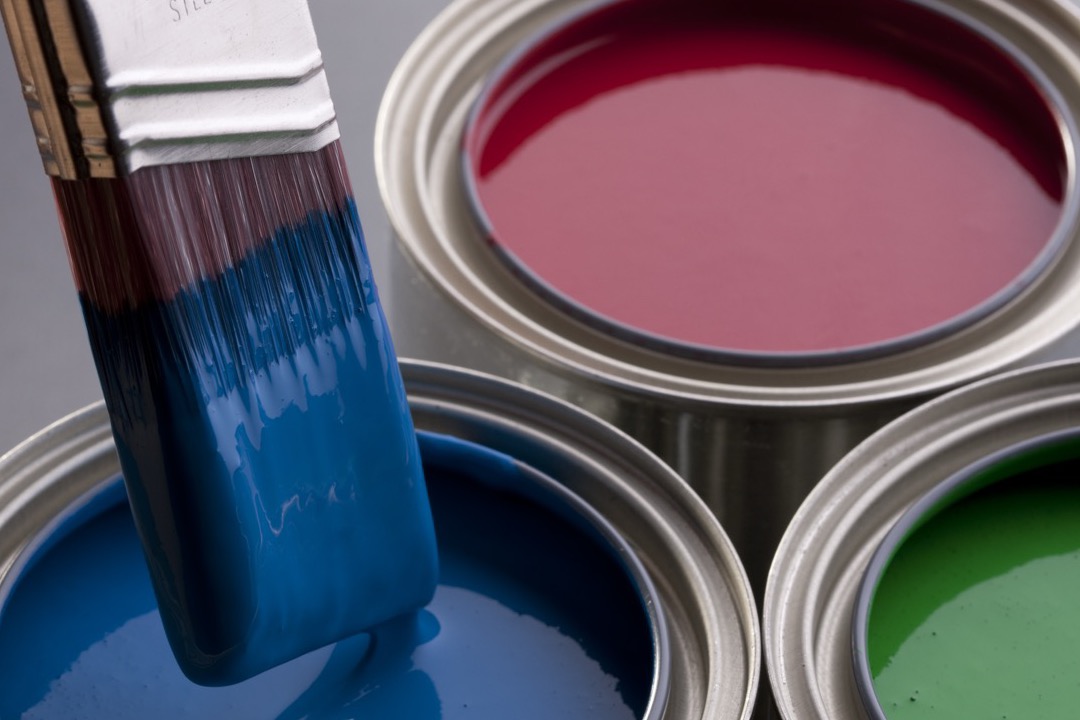
I have been painting interiors and exteriors since the late 2000s, when oil-based paint was still standard for trim and water-based was treated like a compromise. The market has changed completely since then. VOC regulations have reshaped what manufacturers can sell, alkyd-latex hybrid technology has filled most of the practical gaps, and the question for homeowners in 2026 is no longer “oil or latex” — it is “latex, hybrid, or one of the few remaining cases where traditional oil still wins.”
This guide covers what each type actually does, where each one belongs, why hybrid alkyd-latex paints are the answer most homeowners are not hearing about, and how to handle the trickiest part of any repaint job — figuring out what is already on the wall and getting new paint to stick to it.
If you are about to start a project that involves removing old hardware, sanding, or hanging new fixtures, our essential tools for new homeowners guide covers the basics every paint job benefits from, and the best cordless drills roundup is worth a look if cabinet or door hardware is part of the work.
Oil-Based vs Latex Paint at a Glance
Here is how the three categories — traditional oil-based, standard latex, and the newer alkyd-latex hybrids — compare on the factors that drive real-world performance and ownership.
| Factor | Oil-Based (Alkyd) | Latex / Acrylic | Alkyd-Latex Hybrid |
|---|---|---|---|
| Binder | Alkyd resin in mineral spirits | Acrylic or vinyl in water | Waterborne alkyd resin |
| Touch-dry time | 6 - 16 hours | 1 - 2 hours | 2 - 4 hours |
| Recoat window | 24 hours | 2 - 4 hours | 16 hours |
| VOCs (typical) | 300 - 400+ g/L | Under 50 g/L | 50 - 150 g/L |
| Cleanup | Mineral spirits | Water | Water |
| Finish hardness | Excellent | Good to very good | Excellent |
| Yellowing on whites | Yes | No | Minimal |
| Flexibility (exterior) | Brittle long-term | Excellent | Good |
| Cost per gallon | $50 - 80 | $25 - 65 | $55 - 90 |
| Best for | Bare metal, rust priming | Walls, ceilings, exterior siding | Trim, doors, cabinets |
| Retail availability | Declining (VOC regs) | Universal | Growing rapidly |
| Hazardous disposal | Yes | No (most states) | No (most states) |
That table summarizes the landscape. The rest of this guide unpacks the context behind it — because the right choice depends on the substrate, the location, the regulatory regime, and the schedule, not on which column has the most checkmarks.
How Each Type Actually Works
Understanding what is in the can and how it cures explains why these paints behave so differently in real-world use.
Oil-Based (Alkyd) Paint
Traditional oil-based paint is built on an alkyd resin binder dissolved in petroleum-derived solvents — typically mineral spirits or naphtha. As the solvent evaporates, the alkyd resin polymerizes through oxidation, cross-linking into a hard, glossy, durable film. That oxidative cure mechanism is why oil-based paint takes so long to dry and why it produces a noticeably harder finish than water-based paint historically could.
The trade-offs are significant. The solvents are flammable, they emit substantial VOCs, the cleanup is messy, the smell lingers in occupied spaces for days, and disposal of leftover paint and solvent-soaked rags is regulated as hazardous waste. The cured finish is also less flexible than acrylic-based alternatives, which becomes a problem on exterior surfaces that expand and contract with temperature changes — oil-based exterior paint will eventually crack rather than stretch with the substrate.
Latex (Water-Based) Paint
Despite the name, modern latex paint contains no actual latex rubber. The “latex” terminology is a holdover from the 1940s when synthetic rubber emulsions were briefly used as binders. Modern products use acrylic or vinyl-acrylic polymers suspended in water. As the water evaporates, the polymer particles coalesce into a continuous film.
The cure mechanism is faster, cleanup is easier (water replaces solvents), VOC content is much lower, and the cured film stays flexible enough to handle exterior temperature cycling without cracking. The historical weakness was finish hardness — early latex paints did not match the rock-hard cure of oil-based alkyds, which is why oil hung on for trim and cabinet applications even after latex took over walls and ceilings.
Alkyd-Latex Hybrid Paint
The hybrid category solves the historical hardness problem. These products use a waterborne alkyd resin — chemically similar to the alkyd in oil-based paint, but engineered to suspend in water rather than mineral spirits. The result is a paint that cleans up with water, emits much lower VOCs, and cures into a hard, leveling, oil-paint-like finish.
The major products in this category are Benjamin Moore Advance (launched 2009, dominant in the cabinet and trim segment), Sherwin-Williams Emerald Urethane Trim Enamel, Behr Alkyd Semi-Gloss Enamel, and PPG Break-Through. These are mainstream products available at every paint counter in 2026. They are the practical answer to “I want oil-paint quality but not oil-paint hassle” — and they are the single biggest gap in most online comparison articles, which still frame this decision as a binary choice between oil and latex.
When Oil-Based Paint Still Makes Sense
Despite VOC restrictions and the rise of hybrid products, traditional oil-based paint still has narrow applications where it remains the right choice in 2026.
Bare metal with rust concerns. Rust-inhibitive alkyd primers and direct-to-metal alkyd topcoats penetrate rust and bond to ferrous metal in ways that water-based products still struggle to match. For exterior wrought iron railings, structural steel, and rust-treatment applications, products like Rust-Oleum oil-based protective enamel remain a sensible choice.
Stain blocking on water and tannin damage. Oil-based and shellac-based primers (Zinsser BIN, KILZ Original) block water stains, smoke damage, knot bleed-through on cedar and pine, and tannin migration in ways that water-based primers cannot reliably match. For spot-priming a problem area before a latex topcoat, oil-based or shellac-based primer is still the professional default.
Furniture refinishing where ultra-hard cure is critical. A small subset of furniture refinishers still prefer traditional alkyd oil for tabletops and surfaces that need to survive heavy contact wear. Hybrid alkyd-latex has closed most of this gap, but for the hardest-cure applications, traditional oil is still measurably tougher.
That is essentially the full list. Outside these cases, traditional oil-based paint is no longer the right tool for the job in 2026 — VOC regulations, dry time, cleanup, and disposal costs all push the decision toward latex or hybrid alternatives.
When Latex Paint Is the Right Call
Latex is the right answer for the majority of residential paint work.
Interior walls and ceilings. Standard 100 percent acrylic latex in flat, eggshell, or satin sheens is the universal choice for interior wall and ceiling work. The surface does not need the hardness of an oil-based or hybrid finish, the dry time advantage lets you complete two coats in a day, the low VOC content keeps the room habitable, and the cleanup is trivial. There is no scenario where oil-based paint is a better choice for walls in 2026.
Exterior siding, fascia, soffits, and large surfaces. Exterior 100 percent acrylic latex stays flexible across temperature swings that would crack oil-based exterior paint. The flexibility advantage compounds over multi-year exposure cycles — an exterior latex paint job on wood siding routinely outlasts an exterior oil-based job by five years or more before recoat is needed.
Occupied homes and rental turnovers. When the space needs to be reoccupied within hours of painting, latex is the only realistic option. Hybrid alkyd-latex pushes the recoat window long enough that fast turnaround projects favor pure latex.
Anywhere VOC restrictions or air quality matters. Low-VOC and zero-VOC latex products are widely available from every major brand, and they cost the same or only slightly more than standard latex. For homes with infants, asthma sufferers, or chemical sensitivities, low-VOC latex is the safe default.
If you are working in a kitchen or bath where ventilation is limited, running an air purifier during and after painting helps clear off-gassing faster. Our best air purifiers for home guide covers HEPA and activated-carbon options that handle paint VOCs effectively.
The Hybrid Alkyd-Latex Category — The Answer Most Articles Miss
This is the most important section in this guide for homeowners planning a project in 2026. Hybrid alkyd-latex paints have quietly become the right choice for a category of work that used to default to oil-based: interior trim, doors, kitchen cabinets, built-ins, and any high-touch interior surface that needs a hard, leveling finish.
Here is what hybrid does that standard latex does not.
Self-leveling brush strokes. Hybrid alkyd-latex flows and levels the way oil-based paint always did, leaving a smooth, brush-mark-free surface even with brush application. Standard latex paints have improved on this front but still leave more visible brush texture, especially on horizontal surfaces and large flat panels.
Harder cure for high-contact surfaces. A kitchen cabinet door painted in standard latex will show fingernail scuffs and scratches within months. The same door painted in hybrid alkyd-latex resists those marks for years. The difference is real and visible — I have refinished cabinets in both products on similar jobs and the hybrid finish holds up substantially longer.
Less yellowing on whites. White and off-white trim painted in traditional oil-based paint will yellow noticeably within a few years. Hybrid alkyd-latex products are formulated to resist this yellowing while delivering the hard finish oil-based was prized for.
Water cleanup, low VOCs. All the application convenience of latex with the finish quality of oil. This is the entire point of the category.
The trade-offs are cost (typically 25 to 40 percent more per gallon than standard latex) and a longer recoat window than standard latex (usually 16 hours instead of 2 to 4). For trim, doors, and cabinet work where you are doing the project in stages anyway, those trade-offs are easy to absorb. For walls and ceilings where the cost adds up across a large area and the finish hardness is not needed, standard latex remains the better economic choice.
The mainstream products to know are Benjamin Moore Advance, Sherwin-Williams Emerald Urethane Trim Enamel, Behr Alkyd Semi-Gloss Enamel, and PPG Break-Through. All are available at major paint retailers and big-box stores. If you are repainting cabinets or trim in 2026 and the conversation does not include hybrid alkyd-latex, you are getting outdated advice.
Painting Over Existing Paint — The Step That Trips Up Most Repaints
Identifying what is already on the wall is the most common point of failure on repaint projects. Get this step wrong and your fresh coat will peel, crack, or flake within a year regardless of how good the new paint is.
How to Identify Oil-Based vs Latex on Existing Surfaces
The rubbing alcohol test is the standard field method. Soak a cotton ball in denatured alcohol or 91 percent isopropyl alcohol, rub it on a small inconspicuous patch of the existing paint for 15 to 20 seconds with firm pressure. If color transfers to the cotton ball or the surface becomes tacky, the existing paint is latex. If the cotton ball stays clean and the finish remains hard and glossy, the existing paint is oil-based.
Test in two or three different spots on the surface — paint touchups over decades can result in mixed substrates on the same wall, where the original is oil-based and a previous repaint was latex. Always test before any repaint job, and especially before ordering paint. The cost of a fresh cotton ball and a small bottle of alcohol is far less than the cost of a failed paint job.
The Bonding Primer Bridge
If existing paint is oil-based and you want to topcoat with latex (or hybrid alkyd-latex), you need a bonding primer between the two. Latex applied directly over cured oil-based paint will not chemically bond — it sits on top of the oil-based film like a sticker, and any contact stress, temperature change, or humidity cycle will start to lift it.
The protocol is simple. Lightly sand the existing oil-based surface with 220-grit sandpaper to deglaze the gloss and create surface tooth. Wipe down with a tack cloth or damp microfiber to remove sanding dust. Apply a high-adhesion bonding primer — Zinsser 1-2-3 Plus, Zinsser BIN shellac primer, or KILZ Adhesion are the standard choices. Let the primer cure for the manufacturer-specified window (typically 4 to 24 hours). Topcoat with your chosen latex or hybrid product.
The reverse direction — applying oil-based paint over cured latex — is less common in 2026 but follows the same logic. A bonding primer or fresh coat of compatible primer between the two creates the chemical bridge that direct application lacks.
For sanding prep work, a shop vacuum with a fine-dust filter makes cleanup much faster. Our best shop vacs guide covers models with HEPA filtration that capture fine sanding dust without recirculating it into the room.
VOC Regulations and Why Oil-Based Is Disappearing from Store Shelves
The decline of oil-based paint at retail is not an accident or a passing trend — it is a regulatory mandate that has progressively tightened for two decades.
The federal baseline is the EPA’s National Architectural and Industrial Maintenance (AIM) Rule, which limits VOC content to 50 g/L for flat coatings and 100 g/L for non-flat (eggshell, satin, semi-gloss, gloss) interior architectural coatings. Traditional oil-based formulations contain 300 to 400+ g/L of VOCs, putting them well outside compliance. Manufacturers have either reformulated traditional oil-based products into low-VOC alkyd or waterborne alkyd alternatives, or discontinued them entirely.
State-level restrictions go further. California’s Air Resources Board (CARB) and the South Coast Air Quality Management District (SCAQMD) impose stricter limits — generally 50 g/L across most categories — that effectively eliminate traditional oil-based paint from California retail. Several Northeast states under the Ozone Transport Commission (OTC) Phase II rules apply intermediate limits stricter than federal but less aggressive than California. Texas, Florida, and most of the Mountain West currently follow federal limits.
The practical implication for homeowners: the traditional oil-based products you remember from a 1990s paint store may not exist at all in your local market in 2026, may exist only in industrial or specialty SKUs, or may have been replaced by reformulated low-VOC alkyd alternatives that perform differently than the original. Before planning a project around traditional oil-based paint, verify availability at your local retailer rather than assuming it.
Disposal — What to Do With Leftover Paint
Disposal is one of the most underdiscussed practical differences between the two categories.
Oil-based paint disposal. Classified as household hazardous waste in every U.S. state. Cannot legally go in regular trash or down any drain. Take leftover paint to a municipal HHW collection event, a permanent HHW facility, or a participating retailer drop-off program. Many Sherwin-Williams stores accept oil-based paint, and Home Depot and Lowe’s run periodic paint take-back events. Earth911.com (search by zip code) is the most reliable locator for active programs in your area. Solvent-soaked rags from oil-based cleanup are also classified as hazardous waste and can self-combust if balled up — store them in a sealed metal container with water until disposal.
Latex paint disposal. Less restrictive in most states. The dry-out method is the standard DIY approach. Pour leftover latex into a cardboard box lined with newspaper, mix in cat litter or a commercial paint hardener at roughly one part hardener to two parts paint, wait 24 to 48 hours for the mixture to solidify, and dispose in regular household trash. Empty paint cans with dried residue can usually be recycled with other metal recycling.
Either way, never pour paint down a storm drain, sanitary drain, or onto soil. The runoff contaminates groundwater and the cleanup costs vastly exceed any disposal hassle. Most municipalities post specific paint disposal guidance on their public works or solid waste websites — check yours before making assumptions.
The Bottom Line
After fifteen years of running paint crews across hundreds of residential and light commercial projects, here is my recommendation by use case for 2026.
Choose latex (100 percent acrylic) for interior walls and ceilings, exterior siding and trim, occupied spaces where dry time and low odor matter, large-area projects where cost per gallon matters, and any application where finish hardness is not the primary requirement. Use a low-VOC or zero-VOC formulation when occupants include infants, pets, or anyone with respiratory sensitivities.
Choose alkyd-latex hybrid for interior trim, doors, kitchen cabinets, built-ins, vanities, mantels, and any high-touch interior surface where you want the finish quality of oil-based paint without the cleanup, odor, and disposal headaches. Benjamin Moore Advance and Sherwin-Williams Emerald Urethane are the two products to know if you are doing this kind of work in 2026.
Choose traditional oil-based paint for bare metal with rust concerns, stain blocking on water and smoke damage, tannin bleed-through on cedar or pine, and the narrow set of furniture refinishing applications where the absolute hardest cure is required. Outside these specific cases, oil-based is no longer the right tool for the job — and in California or other strict-VOC jurisdictions, it may not even be available at retail.
The framing that has dominated paint discussions for the last twenty years — oil for trim, latex for walls — is no longer accurate. The 2026 framing is hybrid for trim, latex for walls, and oil-based for the narrow remaining applications where its specific chemistry still matters. Most homeowners shopping for trim or cabinet paint should be looking at the hybrid section of the paint counter, not the oil-based section.
Whatever you choose, identify what is already on the wall before you start, prime correctly when bridging between paint types, and ventilate the space during and after application. Get those three things right and the project will hold up regardless of which category you picked. Get any of them wrong and even the most expensive paint will fail.
If your project also involves swapping out hardware, hanging new fixtures, or installing trim, the right tools speed everything up — our best screwdriver sets and best cordless drills guides cover the basics that turn a multi-day paint job into a clean weekend.
Frequently Asked Questions
Can you paint latex over oil-based paint?
How do I tell if the paint on my walls is oil-based or latex?
What is alkyd-latex hybrid paint and is it worth using?
Why is oil-based paint disappearing from store shelves?
How do you dispose of leftover paint properly?
Related Articles
About the Reviewer

Jake Morrison, Licensed General Contractor
B.S. Construction Management, Purdue University
Jake Morrison has spent 14 years in residential construction and home renovation before founding DIYRated in 2026. After helping hundreds of homeowners choose the right tools and materials for their projects, he started writing the product guides he wished existed when he was starting out. Jake tests every major product recommendation in his workshop in Indianapolis and focuses on real-world performance over spec-sheet marketing.