7 Best Air Purifiers for Home in 2026
Jake Morrison, a licensed general contractor, reviews the 7 best air purifiers for every home — from budget-friendly HEPA filters to smart whole-home purifiers for allergies, pets, and smoke.
Updated
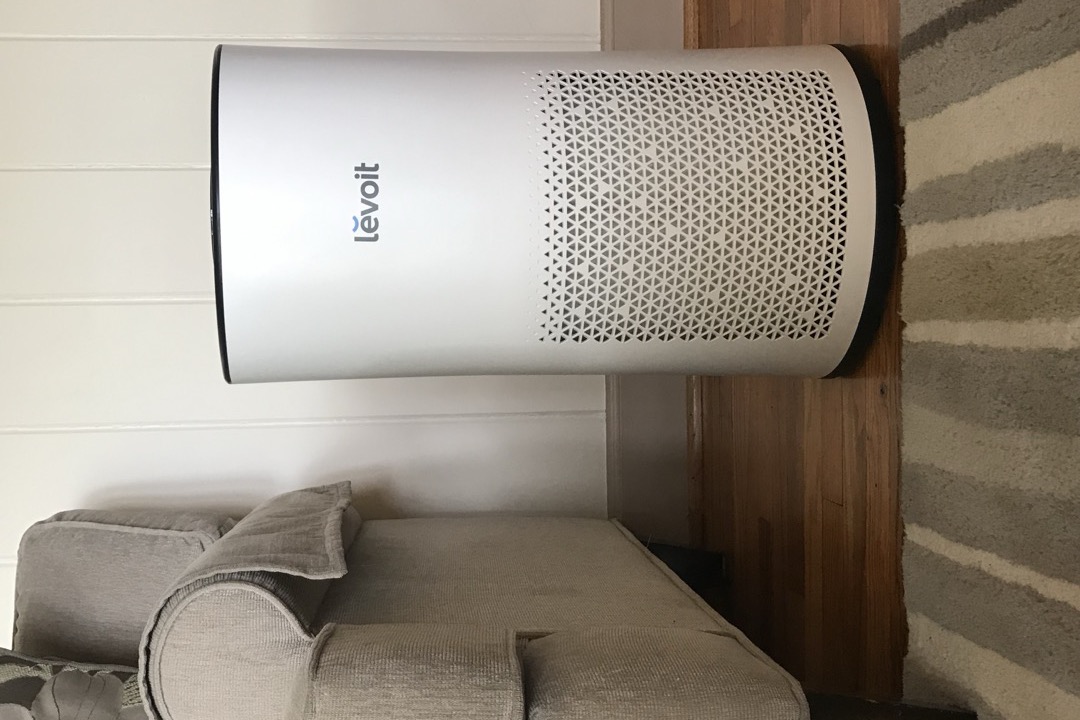
As a licensed general contractor, I think about indoor air quality the same way I think about structural integrity — it is invisible, easy to ignore, and absolutely critical to the health of everyone inside the building. I have set up commercial-grade filtration systems on job sites to protect workers from drywall dust, paint fumes, and insulation fibers. And I have seen firsthand how poor indoor air quality in finished homes causes persistent allergy symptoms, headaches, and respiratory irritation that homeowners blame on everything except the air they are breathing.
The EPA estimates that indoor air is 2 to 5 times more polluted than outdoor air. Your HVAC system recirculates dust, pet dander, mold spores, and volatile organic compounds through every room, every time the system cycles. A standalone air purifier with True HEPA filtration is the most effective single intervention you can make for your home’s air quality without modifying your HVAC system.
This roundup covers the 7 best air purifiers you can buy right now for home use. I evaluated each one on CADR output, filtration quality, noise levels, energy efficiency, and total cost of ownership — because a purifier that sits unused in a closet because it is too loud or too expensive to maintain is worth nothing.
| Product | Price | Buy |
|---|---|---|
| LEVOIT Vital 200S-PBest Overall | $159.99 | View on Amazon |
| LEVOIT Core 200S-PBudget Pick | $69.98 | View on Amazon |
| LEVOIT Core 600S-PPremium Pick | $259.97 | View on Amazon |
| Coway Airmega AP-1512HHRunner-Up | $154.99 | View on Amazon |
| Winix 5510 | $128.24 | View on Amazon |
| Blueair Blue Pure 311i Max | $159.99 | View on Amazon |
| Honeywell HPA300 | $234.95 | View on Amazon |
Quick Picks
Best Overall: The LEVOIT Vital 200S-P delivers the best combination of CADR performance, smart features, and price in this roundup. The washable pre-filter and pelleted carbon filter set it apart from competitors at every price point.
Budget Pick: The LEVOIT Core 200S-P is one of Amazon’s most-reviewed air purifiers for good reason — H13 HEPA filtration, app and voice control, and interchangeable filter options at a price that makes clean air accessible for any household.
Runner-Up: The Coway Airmega AP-1512HH has been Wirecutter’s top pick for over a decade, with 4-stage filtration, Eco Mode, and the lowest filter replacement costs in this roundup.
Upgrade Pick: The LEVOIT Core 600S-P pushes CADR to 391 CFM with real-time PM2.5 monitoring for large rooms and open floor plans.
Find the Right Air Purifier for Your Need
The best air purifier depends less on brand than on what you are actually filtering out. Jump straight to the pick that matches your situation:
- Best air purifier for allergies
- Best air purifier for pets
- Best air purifier for smoke
- Best air purifier for mold
- Best air purifier for dust
- Best air purifier for bedrooms
- Best air purifier for large rooms and whole house
How I Evaluated These Air Purifiers
I assessed over 15 air purifiers based on the metrics that matter in daily home use: CADR output relative to room size, True HEPA certification, noise levels across all speed settings, energy consumption over 24/7 operation, and the 3-year total cost including filter replacements. Every purifier on this list has thousands of verified buyer reviews, and I cross-referenced those reviews with independent testing data and my own experience managing air quality in construction and renovation environments.
The single most important criterion was whether the purifier actually cleans the air effectively at a noise level you can tolerate in the room where you need it. A purifier with outstanding CADR that sounds like a jet engine on any useful speed setting is not earning a recommendation. Similarly, a whisper-quiet unit that cannot process enough air for your room size is just moving air around without cleaning it.
LEVOIT Vital 200S-P — Best Overall
The Vital 200S-P earns the top spot because it solves the three problems that plague most mid-range air purifiers: inadequate CADR for the price, clogging from pet hair, and expensive filter replacements.
At 250 CFM for smoke and 289 CFM for pollen, the Vital 200S-P processes air faster than purifiers costing twice as much. The U-shaped air inlet is a design detail that matters enormously in homes with pets — it prevents hair and large particles from reaching the HEPA filter directly, channeling them to the washable pre-filter instead. Every other purifier in this price range forces pet hair through the main filter, which clogs it faster and drives up replacement costs.
The pelleted activated charcoal carbon filter is another differentiator. Most purifiers at this price use a thin carbon sheet that saturates within weeks. Pelleted carbon has significantly more surface area, which means better odor absorption that lasts longer. It handles cooking smells, pet odors, and mild VOCs effectively — though it is not a substitute for dedicated gas-phase filtration if you are dealing with serious chemical exposure.
Smart features are comprehensive: WiFi connectivity, VeSync app control, Alexa and Google Home integration, Auto Mode with an air quality sensor, and a light detection mode that dims the display and reduces fan speed when the room darkens. The app shows real-time air quality data and lets you set schedules, check filter life, and control the unit remotely.
The main limitation is filter cost. At roughly 40 dollars every 6 to 8 months, you are looking at 60 to 80 dollars per year in filter replacement — reasonable for this class but not trivial. The air quality sensor can also be overly reactive, ramping up the fan speed from minor disturbances. But at this price-to-performance ratio, the Vital 200S-P is the purifier I recommend to anyone who asks me what to buy.

LEVOIT Vital 200S-P
by LEVOIT
The best air purifier for most homes — the Vital 200S-P delivers premium CADR numbers, smart app control, and a washable pre-filter at a price that undercuts every comparable competitor.
Pros
- Best value in the roundup with a CADR of 250 CFM for smoke and 289 CFM for pollen — matching purifiers that cost twice as much in raw air processing power
- U-shaped air inlet design prevents pet hair and large debris from clogging the main filter, which is a problem that plagues nearly every competitor at this price
- Washable pre-filter extends the main HEPA filter lifespan by roughly 40 percent, saving you real money on replacement filters over the life of the unit
- Pelleted activated charcoal carbon filter absorbs odors and VOCs more effectively than the thin carbon sheets used in most budget and mid-range purifiers
Cons
- Not ideal for heavy VOC or chemical gas filtration — the carbon layer handles cooking odors and light fumes but will not address serious off-gassing from new construction or renovation materials
- Built-in air quality sensor can be overly sensitive, triggering Auto Mode speed increases from minor disturbances like walking past the unit or opening a door
- Main HEPA filter lasts only 6 to 8 months under normal use and costs roughly 40 dollars to replace, which adds up over multi-year ownership
LEVOIT Core 200S-P — Best Budget
The Core 200S-P is one of the most reviewed air purifiers on Amazon for a reason — it delivers genuine H13 HEPA filtration at a price that makes clean air accessible for any household. With over 127,000 verified reviews and a 4.6-star rating, this is not a budget compromise. It is a focused product that does one thing exceptionally well: clean air in rooms up to about 140 square feet.
The rated output turns over the air in a 140-square-foot room roughly five times an hour, which is the right dose for bedrooms, home offices, nurseries, and small living spaces. The interchangeable filter system is the standout feature — you can swap between a standard HEPA filter, a Pet Care filter with enhanced dander capture, a Toxin Absorber for VOC-heavy environments, and a Smoke Remover for households with smokers or wildfire smoke concerns. No other purifier in this roundup offers that level of filter customization.
The compact cylindrical design measures around 8 inches in diameter and weighs only 6.6 pounds. It fits on a nightstand without taking over the surface, and you can carry it room to room with one hand. Noise in sleep mode is a rated 24 dB — quieter than a whisper and inaudible from across a bedroom.
The trade-offs are straightforward. You get WiFi, app scheduling, and voice control at this price, but you do not get an onboard air quality sensor — so the unit follows the schedule and speed you give it rather than reacting to the room on its own. For a bedroom where you set it before sleep and leave it running, that is perfectly fine. For a living room where air quality swings through the day, you will want the sensor-driven auto mode of the Vital 200S-P. And the 140-square-foot rating is a real ceiling: size up rather than asking this unit to cover an open floor plan. If you are dealing with pet hair and dander throughout your home, the Core 200S-P makes an excellent bedroom companion to a good vacuum routine.

LEVOIT Core 200S-P
by LEVOIT
The best budget air purifier — the Core 200S-P pairs H13 HEPA filtration with app and voice control at a price point that makes clean air accessible for any budget.
Pros
- One of Amazon's most-reviewed air purifiers with over 127,000 verified reviews — the sheer volume of real-world feedback makes this the most battle-tested purifier in the budget tier
- Smart app and voice control at a budget price — scheduling, fan control, and filter-life monitoring come standard, which almost nothing else in this price bracket offers
- Multiple interchangeable filter options including Pet Care, Toxin Absorber, and Smoke Remover variants let you customize filtration for your specific air quality concern
- Compact 8.1-inch footprint at 6.6 pounds fits on nightstands, desks, and shelves without dominating the room the way larger tower-style purifiers do
Cons
- Rated for 140 square feet, so this is a bedroom, nursery, or office unit — it will be undersized in an open-plan living room or great room
- No onboard air quality sensor, so there is no true auto mode reacting to real-time particulate readings the way the Vital 200S-P does
- The 360-degree intake needs clearance on every side, so it cannot be pushed flush against a wall the way a rear-intake tower can
LEVOIT Core 600S-P — Upgrade Pick
The Core 600S-P is the purifier you need when your space exceeds what mid-range units can handle. At 391 CFM CADR, it processes the air in a 606-square-foot room nearly five times per hour — the recommended rate for effective purification. In an open-concept living and dining area, great room, or finished basement, this is the unit that actually cleans all the air instead of just treating the area immediately around it.
The real-time PM2.5 display on the front panel is genuinely useful, not a gimmick. It shows exact particulate levels so you can see the purifier respond to cooking, vacuuming, or opening windows. Watching the number drop from over 100 to under 10 after starting the unit gives you confidence that the filtration is working — and it provides objective feedback on your indoor air quality baseline.
VortexAir 3.0 technology uses a 360-degree intake that pulls air from every direction. This matters in large rooms where a front-intake purifier creates a clean zone directly around the unit but leaves far corners and opposite walls undertreated. The omnidirectional design reduces the placement sensitivity that limits less sophisticated purifiers.
At only 49 watts, the Core 600S-P draws less power than several purifiers a fraction of its size. This sounds counterintuitive, but it reflects LEVOIT’s motor efficiency improvements in their newer platform. Annual electricity costs running 24/7 are roughly 25 dollars — competitive with purifiers half its size.
The noise penalty at high speed is real. At 62 dBA, the maximum setting is louder than a normal conversation and will disrupt sleep, movie watching, or focused work. The lowest setting at 26 dB is excellent, but Auto Mode may ramp to higher speeds when air quality degrades. The 60-dollar replacement filter cost every 6 to 8 months is the highest in this roundup, so factor that into your total ownership calculation.

LEVOIT Core 600S-P
by LEVOIT
The upgrade pick for large rooms and open floor plans — the Core 600S-P delivers the highest CADR in this roundup with real-time PM2.5 monitoring and smart app control.
Pros
- Most powerful air purifier in this roundup at 391 CFM CADR, capable of processing the air in a 606-square-foot room nearly five times per hour for maximum particle removal
- Real-time PM2.5 display on the front panel shows you exact particulate levels so you can see the purifier working and know when your air is actually clean
- VortexAir 3.0 technology with 360-degree air intake pulls contaminated air from every direction simultaneously, eliminating dead zones that single-inlet purifiers create
- Surprisingly energy-efficient at only 49 watts despite the high output — lower power draw than many purifiers half its size, which is a genuine engineering achievement
Cons
- Loud at top speed reaching 62 dBA, which is comparable to normal conversation volume and disruptive in bedrooms or home offices during focused work
- Produces a noticeable whirring vibration even on the lowest speed setting that some users find bothersome in quiet environments like nurseries or recording studios
- Replacement filters cost roughly 60 dollars each and need changing every 6 to 8 months, making the ongoing cost of ownership notably higher than smaller LEVOIT models
Coway Airmega AP-1512HH — Runner-Up
The Coway is the air purifier equivalent of a Honda Civic — it is not the flashiest option, but it has been the most consistently recommended by experts for over a decade, and for good reason. Wirecutter has named it their top pick for 10 consecutive years. That kind of sustained recommendation from a single authoritative source is unprecedented in this category.
The 4-stage filtration system is the most comprehensive in this roundup. Air passes through a washable pre-filter, a deodorization carbon filter, a True HEPA filter, and finally through Coway’s Vital Ion technology, which uses negative ions to help capture ultrafine particles that HEPA alone might miss. The result is cleaner air with fewer steps bypassed compared to simpler 2 or 3-stage systems.
Eco Mode is the feature that separates the Coway from its competitors in daily use. When the air quality sensor detects clean air for 30 minutes, the unit shuts down the fan entirely and enters standby. When particles are detected again, it restarts automatically. This is not just an energy-saving feature — it is a noise-elimination feature. In a bedroom with consistently clean air, the Coway spends much of the night in silent standby, running only when needed.
Filter replacement costs are the lowest in this roundup. The HEPA filter lasts a full 12 months, and the carbon filter 6 months, both at prices lower than LEVOIT’s replacements. Over a 3-year ownership period, the Coway’s filter costs are roughly 30 to 40 percent lower than comparably performing units.
The lack of WiFi is the biggest limitation for smart-home households. At this price point, competing models offer full app control and voice assistant integration. The Coway relies on its onboard controls and air quality LED indicator ring, which works well but feels dated compared to app-based monitoring. If you value proven performance and low maintenance costs over smart features, the Coway remains the safest recommendation in the category. Combined with good ceiling fan circulation, it keeps whole rooms comfortable year-round.

Coway Airmega AP-1512HH
by Coway
The runner-up and Wirecutter's decade-long top pick — the Coway delivers 4-stage filtration, Eco Mode energy savings, and the lowest filter replacement costs in this roundup.
Pros
- Wirecutter's top air purifier pick for over 10 consecutive years — no other purifier in any roundup has maintained that level of sustained expert recommendation
- 4-stage filtration system including pre-filter, deodorization filter, True HEPA, and Vital Ion technology provides the most thorough air treatment process in this roundup
- Eco Mode automatically shuts down the fan when air quality stays clean for 30 minutes and restarts when particles are detected, saving meaningful energy over 24/7 operation
- Lowest long-term filter replacement costs of any purifier tested — the HEPA filter lasts a full 12 months and the carbon filter 6 months, both at reasonable prices
Cons
- No WiFi or smart home connectivity, which means no remote control, no scheduling through your phone, and no integration with Alexa or Google Home routines
- Higher upfront price compared to the LEVOIT Vital 200S-P despite similar CADR numbers, making it harder to justify unless you value the Coway's proven track record
- Can reach 58 dBA at the highest fan speed and the design is polarizing — the rounded rectangle shape with visible air quality LED ring does not blend into every decor style
Winix 5510 — Best for VOCs and Chemical Odors
The Winix 5510 is the enhanced successor to the 5500-2, one of the most popular and respected air purifiers ever made. The upgrade adds WiFi app control while maintaining the filtration performance that earned its predecessor a massive following among air quality enthusiasts.
The dedicated VOC and gas sensor is the defining feature. Most air purifiers only monitor PM2.5 — particulate matter like dust and pollen. The Winix adds detection for volatile organic compounds and gases, including formaldehyde, benzene, and other chemical vapors that off-gas from new furniture, paint, adhesives, and building materials. For homes near busy roads, recently renovated spaces, or homes with new furniture, this sensor-driven gas detection provides a layer of protection that PM2.5-only purifiers completely miss.
The filtration spec is also noteworthy: 99.99 percent capture down to 0.01 microns, which is significantly finer than the standard HEPA spec of 0.3 microns. In practical terms, this means the Winix captures ultrafine particles including some viruses and combustion byproducts that pass through standard HEPA media.
The CADR of 253 CFM handles rooms up to 392 square feet effectively, putting it in direct competition with the LEVOIT Vital 200S-P. The Winix wins on VOC detection and ultrafine particle capture; the LEVOIT wins on price, smart features depth, and the washable pre-filter. Both are excellent choices, and the right pick depends on whether particulate or gas-phase pollution is your primary concern.
The noise penalty is the most significant in this roundup. At 65.7 dBA on maximum speed, the Winix is louder than a normal conversation and noticeably louder than every competitor. The carbon filter is not washable, adding replacement cost that washable alternatives avoid. And filtration performance drops at lower speeds more than it does on competing models, which creates a tension between noise and effectiveness.

Winix 5510
by Winix
The best air purifier for VOCs and chemical odors — the Winix 5510 adds a dedicated gas sensor and 0.01-micron filtration to the proven 5500-2 platform with new WiFi app support.
Pros
- Enhanced successor to the beloved 5500-2 with added WiFi app control, maintaining the same proven filtration performance that earned its predecessor a massive following
- Dedicated VOC and gas sensor detects chemical vapors and odors that standard PM2.5 sensors miss entirely, making it the best choice for homes near highways or in urban environments
- Captures 99.99 percent of particles down to 0.01 microns — a finer filtration spec than standard HEPA which only guarantees 0.3 microns, catching ultrafine particles other purifiers let through
- High CADR of 253 CFM at a competitive mid-range price point, delivering large-room performance without the premium price tag of the LEVOIT Core 600S-P
Cons
- Carbon deodorization filter is not washable and requires replacement every 3 to 6 months, adding ongoing cost that purifiers with washable carbon filters avoid
- Loudest purifier in this roundup at 65.7 dBA on maximum speed — significantly louder than normal conversation and unusable in bedrooms or quiet spaces at high power
- Filtration performance drops noticeably at lower fan speeds where airflow is reduced, meaning you sacrifice cleaning effectiveness for quiet operation more than other models
Blueair Blue Pure 311i Max — Most Energy-Efficient
The Blueair is the air purifier for households where energy efficiency, noise levels, and design aesthetics matter as much as filtration performance. At 29 watts maximum and an astonishing 2.8 watts in sleep mode, it earned Energy Star Most Efficient certification — meaning it uses less electricity than a night light while cleaning 439 square feet of air.
The HEPASilent dual filtration technology is Blueair’s proprietary approach. It combines mechanical filtration with electrostatic charging, giving particles a negative charge before they reach the filter media. This allows the filter to capture particles using less dense media, which reduces airflow resistance. The practical result: equivalent particle capture to standard HEPA with less fan power required, which is why the unit can run so quietly and efficiently simultaneously.
The 360-degree air intake and compact cylindrical design mean you can place the 311i Max anywhere in a room — against a wall, in a corner, or in the center — and it pulls air equally from all directions. At roughly 8 pounds, it is the lightest purifier in this roundup and one of the few that you can comfortably pick up and move between rooms with one hand.
The fabric pre-filter sleeve is available in multiple colors and serves as both a functional washable pre-filter and a design element. Unlike most purifiers that look like medical equipment, the Blueair integrates into living spaces without dominating the aesthetic. If someone handed it to you without context, you might guess it was a high-end speaker.
The buzzing issue reported in multiple verified reviews is the main concern. Some units develop a vibration or buzzing noise after several months of use that is unrelated to fan speed. Blueair has acknowledged this in customer service responses but has not issued a universal fix. The limited review count of roughly 2,500 compared to about 29,000 for the Coway and 32,000 for the Winix also means long-term reliability data is less established. If you prioritize efficiency and design and can tolerate the small risk of a buzzing unit, the Blueair is outstanding.

Blueair Blue Pure 311i Max
by Blueair
The most energy-efficient and quietest air purifier tested — the Blueair delivers 250 CFM CADR with Energy Star Most Efficient certification and a design that blends into any room.
Pros
- Best energy efficiency in this roundup at only 29 watts maximum and 2.8 watts in sleep mode — earning Energy Star Most Efficient certification and costing under 15 dollars per year to run 24/7
- 360-degree air intake pulls contaminated air from every direction with no directional bias, so placement in the room matters less than it does with front-intake purifiers
- HEPASilent dual filtration combines mechanical and electrostatic filtration to achieve high particle capture with lower airflow resistance, which is how it stays so quiet and efficient simultaneously
- Lightest purifier in this roundup at roughly 8 pounds with a beautiful fabric pre-filter sleeve available in multiple colors, making it the most aesthetically versatile option
Cons
- Multiple verified reviews report a buzzing or vibrating noise that develops after several months of use, which Blueair has acknowledged but not fully resolved across all production runs
- Not designed for heavy VOC or chemical odor removal — the carbon component is minimal compared to dedicated odor-focused purifiers like the Winix 5510
- Fewer verified reviews than established competitors at roughly 2,500 versus about 29,000 for the Coway and 32,000 for the Winix, making long-term reliability data less comprehensive
Honeywell HPA300 — Highest Raw CADR
The Honeywell HPA300 is the air purifier for people who want maximum air processing power with zero digital complexity. At 320 CFM for dust, it delivers the highest single-pollutant CADR in this roundup — meaning it moves and cleans more air per minute than any other unit tested. For large living rooms, great rooms, and open floor plans up to 465 square feet, the Honeywell provides brute-force purification.
Honeywell’s decades of commercial air filtration experience translate into a consumer product that prioritizes function over features. There are no apps, no WiFi, no sensors, and no auto modes. You get a 4-speed dial and a Turbo Clean button. Turn it on, set the speed, and it runs. For users who find smart features frustrating or unnecessary, this simplicity is a genuine advantage — there is nothing to configure, no firmware to update, and no accounts to create.
The Turbo Clean mode is useful for rapid air clearing after cooking, cleaning, or coming home to a stuffy house. It maxes out airflow for a set period and then returns to the previous speed setting. The True HEPA filter captures 99.97 percent of particles at 0.3 microns, matching the filtration spec of every other True HEPA unit in this roundup.
Replacement filters are the HPA300’s biggest practical advantage. Honeywell HEPA and carbon pre-filters are available at virtually every hardware store, big box retailer, and online marketplace. You will never be stuck waiting for a proprietary filter to ship. Third-party compatible filters are also widely available at lower prices, though I recommend genuine Honeywell replacements for guaranteed filtration performance.
The drawbacks are proportional to the simplicity. Without an air quality sensor, the unit cannot respond to changing conditions — it runs at whatever speed you set, regardless of whether the air is clean or heavily contaminated. Energy consumption is higher than smart models because it cannot throttle down during clean periods. The large footprint at over 20 inches wide makes placement challenging in smaller rooms. And the dated industrial design will not win any aesthetic awards. But for raw air cleaning power in a large space, the Honeywell remains a proven workhorse. It pairs naturally with a good handheld vacuum for a complete approach to keeping your home’s air and surfaces clean.

Honeywell HPA300
by Honeywell
The highest raw CADR in this roundup from the most trusted name in air filtration — the Honeywell HPA300 delivers brute-force air cleaning for large rooms without any smart complexity.
Pros
- One of the highest CADR ratings in any consumer air purifier at 320 CFM for dust, delivering raw air processing power that handles large open living spaces and great rooms effectively
- Trusted brand with over 31,000 verified reviews and decades of commercial air filtration experience — Honeywell filters are used in hospitals, labs, and clean rooms worldwide
- Energy Star certified with straightforward 4-speed manual controls and a Turbo Clean mode that maximizes air exchanges when you need rapid purification after cooking or cleaning
- Replacement filters are widely available at hardware stores, big box retailers, and online — you will never struggle to find compatible HEPA or carbon pre-filters for this unit
Cons
- No smart features whatsoever — no WiFi, no app, no air quality sensor, no Auto Mode — you set the speed manually and it runs at that speed until you change it
- Loud at higher speeds and especially in Turbo mode, making it impractical for bedrooms or home offices during work hours unless you accept running it at low speed only
- High energy consumption at roughly 40 dollars per year and frequent carbon pre-filter replacements every 3 months add to operating costs that exceed most competitors over time
Best Air Purifier for Allergies
For pollen, dust mites, and dander, the two things that matter are True HEPA capture and enough CADR to cycle the room air 4 to 5 times an hour — allergists specifically recommend continuous high-air-change filtration over intermittent bursts. The Coway’s 4-stage system (pre-filter, carbon, True HEPA, ionizer) is the most complete allergen path in this roundup, the Vital 200S-P adds a washable pre-filter that keeps capture rates high between filter changes, and the Honeywell’s raw CADR clears a large allergy-prone living room fastest.
| Product | Price | Buy |
|---|---|---|
| Coway Airmega AP-1512HHBest for Allergies 4-stage filtration with ionizer + the lowest filter replacement cost for year-round continuous running. | $154.99 | View on Amazon |
| LEVOIT Vital 200S-PBest Value Washable pre-filter holds capture rates steady between HEPA changes; smart auto-mode ramps on pollen spikes. | $159.99 | View on Amazon |
| Honeywell HPA300Highest CADR 320 CFM dust CADR clears a large allergy-prone great room fastest when pollen counts are high. | $234.95 | View on Amazon |
Best Air Purifier for Pets
Pet homes need three things the average purifier skimps on: a pre-filter that survives constant hair without clogging, activated carbon deep enough to neutralize litter-box and dander odor, and enough airflow for the open rooms pets actually live in. The Vital 200S-P’s U-shaped inlet routes hair to the washable pre-filter instead of the HEPA, the Winix layers in a high-deodorization carbon bed and a gas sensor for lingering pet smell, and the Coway keeps long-term filter costs down for the 24/7 running a multi-pet home requires.
| Product | Price | Buy |
|---|---|---|
| LEVOIT Vital 200S-PBest for Pets U-shaped inlet sends pet hair to a washable pre-filter, protecting the HEPA and cutting replacement cost. | $159.99 | View on Amazon |
| Winix 5510Best for Pet Odor High-deodorization carbon + a dedicated gas sensor target litter-box and dander odor, not just hair. | $128.24 | View on Amazon |
| Coway Airmega AP-1512HHLowest Maintenance 12-month HEPA life keeps running cost lowest for a purifier you leave on all day in a pet household. | $154.99 | View on Amazon |
Pair a good purifier with a strong pet-hair vacuum — filtration handles what is airborne, but the vacuum removes the dander reservoir in carpet and upholstery before it ever gets stirred up.
Best Air Purifier for Smoke
Smoke — whether wildfire, tobacco, or cooking — is two problems at once: ultrafine particulate that needs a tight HEPA, and gas-phase odor that only a thick activated-carbon bed removes. Thin carbon sheets saturate in weeks, so smoke is where carbon depth and CADR both earn their keep. The Winix pairs 0.01-micron filtration with a high-deodorization carbon layer and gas sensor, the Core 600S-P throws the highest total CADR in the roundup at wildfire-grade particulate loads, and the Coway’s deodorization stage handles everyday cooking smoke at the lowest running cost.
| Product | Price | Buy |
|---|---|---|
| Winix 5510Best for Smoke & VOCs 0.01-micron capture + deep deodorization carbon and a gas sensor built for chemical and smoke odor. | $128.24 | View on Amazon |
| LEVOIT Core 600S-PHighest CADR 391 CFM total CADR clears heavy wildfire-smoke particulate from a large room fastest. | $259.97 | View on Amazon |
| Coway Airmega AP-1512HHBest Carbon Value Deodorization carbon stage handles everyday cooking and cigarette smoke with the lowest filter cost. | $154.99 | View on Amazon |
Best Air Purifier for Mold
Airborne mold spores are particulate, so any True HEPA in this roundup captures them — but mold is also a humidity problem, and a purifier only treats the symptom. The move is HEPA filtration plus a carbon stage for the musty odor, run alongside humidity control below 50%. The Coway’s 4-stage path (with carbon for the smell) leads, the Vital 200S-P covers medium rooms with a washable pre-filter that resists the damp, and the Honeywell’s airflow clears a large basement or bathroom fastest.
| Product | Price | Buy |
|---|---|---|
| Coway Airmega AP-1512HHBest for Mold 4-stage HEPA + carbon captures spores and the musty odor; pair with humidity control under 50%. | $154.99 | View on Amazon |
| LEVOIT Vital 200S-PBest Value Washable pre-filter resists damp-room clogging while the H13 HEPA traps spores in medium rooms. | $159.99 | View on Amazon |
| Honeywell HPA300Highest Airflow 465 sq ft coverage clears a large basement or finished bathroom where mold pressure is highest. | $234.95 | View on Amazon |
Filtration alone will not stop mold from returning — control the moisture source first with one of the best dehumidifiers, then let the purifier handle airborne spores and odor.
Best Air Purifier for Dust
Dust is coarse particulate, so the deciding factor is raw dust CADR and pre-filter durability — you want to move as much air as possible while keeping large debris off the HEPA. The Honeywell’s 320 CFM dust CADR is the highest here and clears settling household dust fastest, the Vital 200S-P’s washable pre-filter is the value pick for dusty medium rooms, and the Coway’s washable pre-filter plus low running cost suits homes that run all day.
| Product | Price | Buy |
|---|---|---|
| Honeywell HPA300Highest Dust CADR 320 CFM dust CADR — the most raw dust-clearing power in the roundup for large, dust-prone rooms. | $234.95 | View on Amazon |
| LEVOIT Vital 200S-PBest Value Washable pre-filter catches coarse dust before the HEPA, cutting replacement cost in dusty homes. | $159.99 | View on Amazon |
| Coway Airmega AP-1512HHLowest Running Cost Washable pre-filter + 12-month HEPA life keeps a dust purifier cheap to run continuously. | $154.99 | View on Amazon |
Best Air Purifier for Bedrooms
A bedroom purifier lives or dies on noise — anything over 30 dB on its lowest setting will wake a light sleeper, so sleep-mode decibels matter more than peak CADR here. The Core 200S-P is the value pick at a rated 24 dB with a footprint that fits a nightstand, the Blueair is the quietest in the roundup at 23 dB and sips 2.8 watts overnight, and the Vital 200S-P adds a smart sleep mode that dims the display and drops the fan automatically when the room goes dark.
| Product | Price | Buy |
|---|---|---|
| LEVOIT Core 200S-PBest Budget Bedroom 24 dB in sleep mode and nightstand-sized; the value choice for a quiet bedroom up to 140 sq ft. | $69.98 | View on Amazon |
| Blueair Blue Pure 311i MaxQuietest 23 dB and 2.8 W in sleep mode — the quietest, most efficient option for light sleepers and nurseries. | $159.99 | View on Amazon |
| LEVOIT Vital 200S-PBest Smart Bedroom Sleep mode dims the display and drops the fan automatically when the lights go out. | $159.99 | View on Amazon |
Best Air Purifier for Large Rooms and Whole House
Open floor plans and great rooms need CADR sized to the whole connected space, not one room — under-size it and the purifier just cleans the air immediately around itself while the far corners stay stale. The Core 600S-P covers the largest area at 606 sq ft with 360-degree intake, the Honeywell delivers brute-force CADR for a big living room without smart complexity, and the Coway is the value pick for large rooms you run all day thanks to Eco Mode and 12-month filters.
| Product | Price | Buy |
|---|---|---|
| LEVOIT Core 600S-PBiggest Coverage 606 sq ft coverage with 360-degree intake — the pick for open-concept living and dining areas. | $259.97 | View on Amazon |
| Honeywell HPA300Highest CADR 320 CFM dust CADR brute-forces a large living room clean with no app or setup required. | $234.95 | View on Amazon |
| Coway Airmega AP-1512HHBest Value Large Room Eco Mode + 12-month filters make it the cheapest large-room purifier to run around the clock. | $154.99 | View on Amazon |
Total Cost of Ownership — The Number That Actually Matters
The purchase price of an air purifier is typically less than half the cost of owning it over 3 to 5 years. Here is the math most review sites skip.
Filter replacement is the largest ongoing expense. Budget models like the Core 200S-P need a new filter every 6 to 8 months at 20 to 30 dollars per replacement. Over 3 years, that adds 90 to 135 dollars to the purchase price. Premium models like the Core 600S-P need filters at twice that cost on the same replacement schedule, adding significantly more over 3 years.
Electricity costs vary dramatically by model. The Blueair 311i Max costs under 15 dollars per year to run 24/7. The Honeywell HPA300 costs closer to 40 dollars per year. Over 3 years, that 25-dollar annual difference totals 75 dollars — enough to buy a replacement filter.
The Coway Airmega’s Eco Mode saves both electricity and filter life by shutting the fan off during clean-air periods. This dual savings makes the Coway the least expensive purifier to operate long-term despite its higher purchase price.
When comparing purifiers, add the purchase price plus 3 years of filter costs plus 3 years of electricity. The cheapest unit to buy is rarely the cheapest unit to own.
Room-by-Room Air Purifier Recommendations
Not every room needs the same purifier. Here is how I approach whole-home air quality based on my experience managing indoor environments.
Bedrooms need quiet operation above all. Sleep mode noise under 30 dB is non-negotiable — anything louder will disturb light sleepers. The Blueair 311i Max at 23 dB or the LEVOIT Core 200S-P at a rated 24 dB are ideal bedroom choices. Size the unit for the room and run it on low or auto continuously.
Living rooms and great rooms need higher CADR to handle the larger space and the varied pollutant sources — cooking odors drifting in from the kitchen, pet dander, dust disturbed by foot traffic. The LEVOIT Core 600S-P or Honeywell HPA300 handle these spaces effectively. Noise matters less here because ambient sound from televisions, conversation, and activity masks purifier noise.
Home offices benefit from a mid-range purifier with auto mode. The LEVOIT Vital 200S-P is ideal — the air quality sensor responds to changes throughout the day, and the WiFi connectivity lets you monitor without getting up from your desk. If you are working from home full-time, you are spending 8-plus hours a day in this room — invest in the air quality accordingly.
Kitchens are the hardest room for air purifiers because cooking generates both particulates and VOCs that require different filtration approaches. The Winix 5510 with its dedicated VOC sensor and deodorization filter is the best kitchen choice. Place it away from direct cooking heat and grease splatter.
Nurseries and children’s rooms prioritize certified filtration and whisper-quiet operation. The Blueair or the Core 200S-P with the Pet Care filter are both excellent choices. Avoid ionizer features in nurseries — while the ozone output is minimal, some parents prefer zero-emission filtration for infant environments.
Health Conditions and Air Purifier Selection
Different health concerns call for different filtration priorities.
Allergies — dust mites, pollen, and pet dander are all particulate allergens that True HEPA captures effectively. Any purifier in this roundup handles these. For severe allergies, choose a higher CADR unit and run it continuously rather than intermittently.
Asthma — airborne particulates trigger asthma attacks. HEPA filtration combined with activated carbon provides the broadest protection. The Coway’s 4-stage filtration or the LEVOIT Vital 200S-P’s pelleted carbon filter address both particulate and gas-phase triggers.
Chemical sensitivity or MCS — volatile organic compounds from building materials, furniture, cleaning products, and personal care products require activated carbon filtration specifically. The Winix 5510 with its VOC sensor is the best choice for chemical sensitivity because it detects and responds to gas-phase pollutants that other purifiers ignore entirely.
Wildfire smoke — smoke particles are extremely fine and require aggressive CADR paired with True HEPA filtration. The Honeywell HPA300 at 300 CFM smoke CADR or the LEVOIT Core 600S-P at 391 CFM total CADR provide the highest-volume smoke filtration. During wildfire events, run the purifier on maximum in a sealed room with windows and doors closed.
Post-renovation — construction dust, paint VOCs, adhesive off-gassing, and sealant fumes are the specific concerns. I deal with this professionally, and the combination I recommend is a HEPA purifier for particulates plus enhanced ventilation for the first 2 to 4 weeks after project completion. The Winix 5510 or a Vital 200S-P with the carbon filter handles the ongoing lower-level off-gassing that continues for months after renovation.
HVAC Integration — What Your Central System Cannot Do
As a contractor who installs and services HVAC systems, I need to address a common misconception. Your furnace or air handler has a filter, and many homeowners assume that filter cleans their air. It does not — at least not in any meaningful way.
Standard HVAC filters (MERV 1 through 8) exist to protect the equipment from large debris, not to filter breathable air. Even MERV 13 filters, which are the highest rating most residential systems can handle without airflow restriction, capture significantly fewer fine particles than a standalone HEPA purifier.
Upgrading to a whole-home HEPA filtration system is possible but expensive — typically requiring bypass installation because the HEPA media is too restrictive for standard ductwork airflow. This runs in the range of several thousand dollars installed.
A standalone HEPA air purifier in each occupied room is more effective and dramatically less expensive than whole-home HEPA retrofit. The purifier processes room air directly without the ductwork losses, filter bypass, and airflow compromises that HVAC-integrated systems involve. And because each unit is independent, a failure in one room does not affect the others — unlike a central system where a single filter failure affects the entire house.
The ideal approach is a standard MERV 11 to 13 HVAC filter for baseline filtration plus standalone HEPA purifiers in bedrooms and primary living spaces. This combination delivers better air quality at lower cost than either approach alone. Good ceiling fan placement helps distribute purified air more evenly throughout each room, reducing dead zones where stale air accumulates.
Buyer's Guide
I have spent years managing indoor air quality on construction projects — from sealing off work areas during renovations to setting up temporary filtration systems that keep occupied spaces breathable while we tear out walls and sand floors two rooms away. That experience taught me what actually matters in an air purifier versus what looks good on a spec sheet. Here are the six factors I evaluate before recommending a unit.
Room Size and CADR Rating
CADR (Clean Air Delivery Rate) is the single most important number on any air purifier spec sheet. It tells you how many cubic feet of clean air the unit produces per minute. The industry standard for effective purification is 4.8 air changes per hour, which means the purifier processes all the air in the room nearly five times every 60 minutes. To find the right CADR for your room, multiply your room's square footage by 1.55 — that gives you the minimum CADR in CFM you should target. A 250-square-foot bedroom needs roughly 388 CFM for optimal purification, but a 250 CFM purifier still provides meaningful cleaning at a slightly lower exchange rate. For open floor plans, measure the entire connected space. Undersizing an air purifier is the most common mistake I see — the unit runs at maximum speed constantly, never catches up, and people assume air purifiers do not work.
Filter Type and Replacement Cost
True HEPA (H13) filters capture 99.97 percent of particles at 0.3 microns — this is the baseline you should accept. Anything labeled HEPA-type or HEPA-like is a marketing term with no standardized performance guarantee. Beyond the HEPA filter, activated carbon is essential for odors, cooking fumes, and VOCs. Thicker carbon layers and pelleted carbon, like the LEVOIT Vital 200S-P uses, absorb more gas-phase pollutants than the thin carbon sheets in budget models. Filter replacement costs range from 25 to 60 dollars every 6 to 12 months, so calculate the 3-year filter cost before buying. A purifier with a lower purchase price but expensive filters that need frequent replacement can cost more over time than a premium unit with longer-lasting filters. Washable pre-filters extend HEPA filter life significantly and should be a factor in your decision.
Noise Level
Noise is the reason most people stop using their air purifier, which defeats the entire purpose. Sleep mode noise levels in this roundup range from 23 dB on the Blueair to 32.7 dB on the LEVOIT Vital 200S — both are quieter than a whisper and will not disturb sleep. Maximum speed noise ranges from 50 dB to 65.7 dB, which spans from a quiet conversation to louder than a normal speaking voice. For bedroom use, prioritize purifiers with sleep modes under 30 dB. For living rooms where background noise from televisions and conversation masks purifier sound, noise matters less. The critical question is whether the purifier is quiet enough at the speed that actually cleans your room effectively — a unit that is whisper-quiet on low but needs to run on high to handle your room size is going to be noisy in practice.
Smart Features and Connectivity
Smart features range from genuinely useful to unnecessary complexity. An air quality sensor with Auto Mode is the most valuable smart feature — it adjusts fan speed based on real-time particle measurements, ensuring the purifier responds to cooking smoke, pet activity, or opened windows without manual intervention. WiFi connectivity with app control lets you monitor air quality remotely, set schedules, and check filter life from your phone. Alexa and Google Home integration allows voice control and automation routines. The LEVOIT Vital 200S-P and Core 600S-P offer the full smart package, while the Coway and Honeywell prove that excellent purification works without any smart features. If you want set-and-forget operation, Auto Mode is the feature that matters most. If you want data and control, full app connectivity is worth the premium.
Energy Efficiency
An air purifier that runs 24/7 consumes meaningful electricity over a year. Power draw in this roundup ranges from 2.8 watts in sleep mode on the Blueair to 77 watts on the Coway at maximum. Annual electricity costs at average US rates range from under 15 dollars for the most efficient models to over 40 dollars for the least efficient. Energy Star certification is a reliable indicator of efficiency, and the Blueair 311i Max earned Energy Star Most Efficient status. Beyond electricity cost, lower power draw typically correlates with less heat output — a high-wattage purifier running in a small bedroom adds noticeable warmth in summer months. For whole-home purification where you might run multiple units, energy efficiency directly multiplies your operating costs.
Maintenance and Filter Lifespan
The best air purifier is one you actually maintain, and maintenance burden varies significantly across models. Washable pre-filters like those on the LEVOIT Vital 200S-P and Winix 5510 should be rinsed every 2 to 4 weeks — this takes 5 minutes and dramatically extends the main HEPA filter life. HEPA filters themselves last 6 to 12 months depending on air quality and pet presence. Carbon filters need replacement every 3 to 6 months for effective odor control. Some units combine the HEPA and carbon into a single replacement unit, which simplifies the process but means you replace both even if only one is exhausted. Filter change indicators on smart models track actual usage and airflow degradation, while basic models use simple timers that may not reflect your actual filter condition. Budget 3 to 5 years of filter costs into your purchase decision — it is as important as the sticker price.
Final Verdict
For most homes, the LEVOIT Vital 200S-P is the best air purifier you can buy right now. The combination of strong CADR numbers, smart app control, washable pre-filter, and pelleted carbon filtration delivers more value per dollar than anything else in this roundup. It handles bedrooms, home offices, and medium living spaces with equal effectiveness, and the VeSync app gives you visibility into your air quality without overcomplicating the experience.
If budget is your primary concern, the LEVOIT Core 200S-P proves that clean air does not require a large investment. With over 127,000 positive reviews, app control, and interchangeable filter options, it is the safest purchase in this category.
For large rooms and open floor plans, the LEVOIT Core 600S-P provides the highest CADR in this roundup at 391 CFM with real-time PM2.5 monitoring. And for buyers who value decade-long expert consensus and the lowest operating costs, the Coway Airmega AP-1512HH remains the most consistently recommended air purifier by independent reviewers.
Whatever you choose, run it continuously, replace the filters on schedule, and size it for your actual room — not the manufacturer’s optimistic maximum coverage claim. An air purifier only works if it runs, and it only runs long-term if it is quiet enough, efficient enough, and affordable enough to maintain. Match the unit to your room, your health needs, and your maintenance tolerance, and you will notice the difference in how your home feels within the first 24 hours.
Frequently Asked Questions
What size air purifier do I need for my room?
How often should I replace HEPA filters?
Do air purifiers help with allergies and asthma?
Should I run my air purifier 24/7?
What is the difference between HEPA and HEPA-type filters?
Related Articles
8 Best Ceiling Fans of 2026
electrical-lighting
7 Best Cordless Vacuums for Pet Hair of 2026
vacuums-floor-care
7 Best Handheld Cordless Vacuums of 2026
vacuums-floor-care
7 Best Air Filters for Home in 2026: A Contractor's Picks for Every HVAC System
home-air-filtration
HEPA vs Ionic Air Purifiers: Which One Actually Cleans Your Air?
home-air-filtration
About the Reviewer

Jake Morrison, Licensed General Contractor
B.S. Construction Management, Purdue University
Jake Morrison has spent 14 years in residential construction and home renovation before founding DIYRated in 2026. After helping hundreds of homeowners choose the right tools and materials for their projects, he started writing the product guides he wished existed when he was starting out. Jake tests every major product recommendation in his workshop in Indianapolis and focuses on real-world performance over spec-sheet marketing.