7 Best Cordless Drills of 2026
Jake Morrison, a licensed general contractor, reviews the 7 best cordless drills for every budget and skill level — from compact 20V kits to professional brushless powerhouses.
Updated
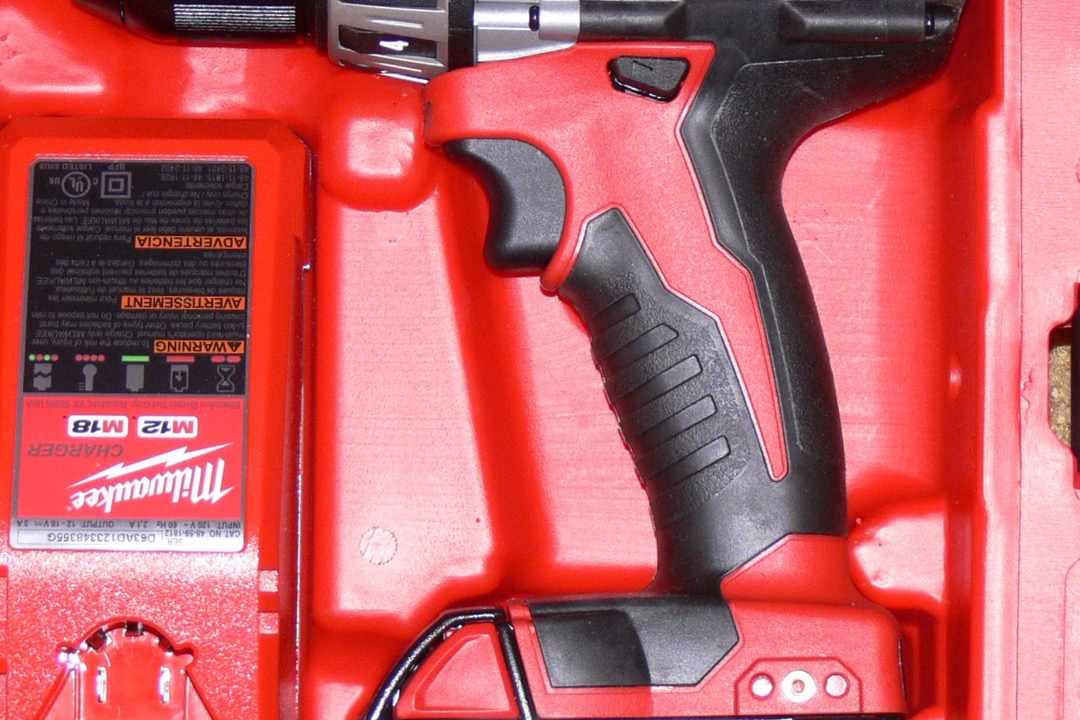
As a licensed general contractor, I have drilled millions of holes and driven countless screws across two decades of residential and commercial construction. A cordless drill is the single most important power tool in any toolkit — the one tool I reach for first on every project, from hanging cabinet doors in a kitchen renovation to boring holes for electrical rough-in in a new build.
In 2026, the market is better than it has ever been. Brushless motors, long-running lithium-ion batteries, and ergonomic compact designs that used to cost professional money are now available at prices that make sense for serious homeowners and first-time buyers alike. But the sheer number of options makes it harder than ever to separate genuinely good drills from the marketing noise.
I evaluated over a dozen cordless drills, cross-referenced tens of thousands of verified buyer reviews, and applied my field experience to identify the seven best options across every budget and use case. Whether you are picking up your first drill or adding a professional brushless compact to your workshop alongside a miter saw, there is a drill on this list built for your work.
Find the Best Cordless Drill for Your Work
The right drill depends far more on what you do with it than on brand loyalty. A drill that is perfect for hanging shelves is the wrong tool for eight hours of production framing. Jump to your situation:
- Best Cordless Drill for Home Use — the one most homeowners should buy
- Best Budget Cordless Drill — real capability without the premium tier
- Best Compact Cordless Drill — for cabinets, joists, and tight bays
- Best Lightweight Cordless Drill — under 3 pounds, for overhead work
- Best Cordless Drill for Women — smaller grip, lower weight, full power
- Best Cordless Drill for the Money — the best capability-per-dollar
- Best Cordless Drill for Professional Use — brushless, all-day duty cycles
Best Cordless Drills Overall
Seven drills, reviewed in full. Every use-case section below draws its picks from this list.
Quick Picks
Best Overall: The DEWALT DCD771C2 is the proven workhorse — backed by the largest battery ecosystem in cordless tools, delivering 300 UWO from a compact frame, and priced where it belongs for a first or primary drill.
Budget Pick: The BLACK+DECKER BDC120VA100 bundles a capable 20V drill with a 100-piece accessory set at a price that makes it impossible to argue against for household tasks.
Runner-Up: The DEWALT DCD777D1 steps up to brushless performance at a mid-range price, splitting the difference between entry-level value and professional-grade capability.
Upgrade Pick: The DEWALT DCD800P1 XR is the compact brushless drill that professional contractors rely on — shorter than your hand, lighter than a lunchbox, and paired with a 5.0Ah pack that works all day without compromise.
How We Chose These Drills
I evaluated every drill in this roundup against the same criteria I use when spec-ing tools for a crew: motor type and efficiency, torque output at typical work loads, battery ecosystem viability, build quality indicators, and real-world performance verified through thousands of verified buyer reviews. I gave particular weight to how each drill performs on the tasks that most buyers actually face — driving 3-inch screws into framing lumber, boring 1-inch holes through joists, and working in the tight spaces that real construction and renovation projects create.
I also factored in battery ecosystem commitment. Buying a cordless drill locks you into a battery platform for your next tool purchase. I only included brands with viable multi-tool ecosystems that can grow with your shop.
DEWALT DCD771C2 20V Max Drill/Driver Set — Best Overall
The DCD771C2 is the starting point for any honest cordless drill recommendation, and it has been for good reason. Nearly 50,000 verified Amazon reviews at 4.8 stars is not luck — it reflects a drill that genuinely delivers what it promises on jobsite after jobsite. The 300 UWO brushed motor handles every household task and a significant chunk of professional work without complaint.
The two-speed gearbox is one of my favorite features on this drill. First gear at 0-450 RPM gives you the controlled, high-torque output you need for driving long screws into hardwood or framing lumber without stripping fastener heads. Second gear at 0-1,500 RPM opens up for fast boring through wood studs and joists. The ability to switch between driving mode and boring mode without a separate tool is something you appreciate every single time you use it.
The included two-battery kit is a major practical advantage. With two 1.3Ah batteries and a charger in the box, you always have a charged pack ready. The 1.3Ah capacity is smaller than higher-end kits, which means you will rotate batteries more frequently on sustained heavy use — but for typical residential work and home improvement projects, these packs run long enough to complete most tasks between charges.
The compact 7.9-inch length is one of the underappreciated strengths. Kitchen cabinet installation, where you are reaching into confined spaces to drive cabinet screws, is where a drill this size earns its keep. Longer drills simply do not fit, and having to switch to a hand screwdriver mid-installation is exactly the kind of workflow interruption that costs time on a paying job.

DEWALT DCD771C2 20V Max Drill/Driver Set
by DEWALT
The DEWALT DCD771C2 is the gold standard entry-level cordless drill — proven on millions of jobsites, backed by the DEWALT 20V MAX ecosystem, and priced to make it the obvious first choice for homeowners and contractors alike.
Pros
- High-performance motor delivers 300 UWO of power, enough to drive lag screws into framing lumber without bogging down
- Two-speed gearbox (0-450 / 0-1,500 RPM) lets you switch between controlled screw driving and fast hole boring with a single click
- Includes two 1.3Ah 20V MAX batteries and a charger so you are drilling from the moment the box opens
- Compact 7.9-inch length fits into tight cabinet interiors and wall cavities where full-size drills cannot reach
Cons
- Brushed motor design is less efficient than brushless alternatives and will wear brushes over time
- 1.3Ah batteries deplete quickly on heavy-duty tasks like boring large holes through multiple framing members
- Half-inch chuck capacity is standard but the 1/2-inch ratcheting chuck design can be slow to change bits on fast-paced jobsites
BLACK+DECKER BDC120VA100 20V MAX Drill Kit — Budget Pick
The BDC120VA100 is the right answer for anyone who wants to own a functional, capable drill with every accessory they need for household use — all for less than most people spend on dinner. The bundled 100-piece accessory set is genuinely comprehensive: twist bits in every common size, Phillips and flathead screwdriving bits, hex bits, and a socket adapter. This is not a filler set. For most household tasks from hanging shelves to assembling furniture, you will rarely need anything beyond what is in the box.
The 24-position clutch is the feature that separates this drill from cheap no-name alternatives at similar prices. When you are driving screws into particleboard furniture or drywall anchors, the ability to dial in exactly how much torque the chuck applies before slipping prevents stripped screws and damaged surfaces. I have seen expensive drills with only 16 clutch settings that deliver less control than this one.
The 3/8-inch chuck is the honest limitation. For general household work — hanging pictures, assembling flat-pack furniture, light construction tasks — 3/8-inch handles everything. But if you anticipate boring larger holes with forstner bits or spade bits, or driving large hex-head lag screws, you will hit the 3/8-inch shank limit. For those applications, stepping up to a drill with a 1/2-inch chuck is worth the additional investment.
The POWERCONNECT 20V MAX battery compatibility with the broader BLACK+DECKER lineup is a meaningful long-term advantage. If you later pick up a BLACK+DECKER circular saw, jigsaw, or other 20V tool, the batteries are interchangeable. For a first-time drill buyer building out a basic tool kit, this ecosystem approach saves money over time.

BLACK+DECKER BDC120VA100 20V MAX Drill Kit with 100-Piece Set
by BLACK+DECKER
The BLACK+DECKER BDC120VA100 is the best value cordless drill kit available, bundling a capable 20V drill with a complete 100-piece accessory set that covers every household drilling and driving task.
Pros
- Bundled 100-piece accessory set covers drill bits, screwdriver bits, and sockets so you never need to buy a separate bit kit
- 24-position clutch gives granular torque control for delicate tasks like assembling flat-pack furniture without stripping screws
- 3/8-inch chuck handles the most common bit sizes for household tasks including driving, boring, and mixing
- Compatible with the POWERCONNECT 20V MAX battery system so batteries and chargers work across the BLACK+DECKER tool lineup
Cons
- 3/8-inch chuck limits maximum bit shank diameter and boring capability compared to 1/2-inch chucks on better drills
- Single-speed gearbox lacks the versatility of two-speed models for switching between driving and drilling modes
- Plastic feel to the housing makes it less confidence-inspiring on heavy-duty tasks compared to professional-grade tools
DEWALT DCD800P1 20V MAX XR Brushless Compact Drill — Upgrade Pick
The DCD800P1 is what happens when DEWALT applies professional engineering to a compact package. This is the drill I would spec for a trim carpenter, a finish electrician, or anyone who spends their days in tight spaces and overhead positions where every fraction of a pound and every fraction of an inch matters.
The brushless XR motor is the key differentiator. Unlike the brushed motor in the DCD771C2, the XR brushless motor has no physical brushes creating friction against the rotor. The result is a motor that converts more of the battery’s energy into torque and less into heat — which translates to longer runtime per charge, more power in a smaller package, and a motor that can last the lifetime of the tool without the maintenance overhead of brush replacement. On demanding tasks like boring multiple 1-inch holes through doubled framing members, the difference between brushed and brushless is immediately apparent in how the drill maintains consistent speed under load.
The 6.37-inch head length is among the shortest available anywhere in the 20V class, and a full half-inch shorter than the DCD791 it replaced. This is not a minor spec — it determines whether you can complete a task in a confined space without pulling the drill back out and using a hand tool. For cabinet installation, electrical box work, and any application where the drill has to fit behind an obstacle, every inch of compactness matters.
What separates this kit from the rest of the DCD800 line is the battery. It ships with a 5.0Ah DCB205 pack, more than double the capacity of the 2.0Ah packs bundled with most kits in this roundup, which is the difference between recharging at lunch and finishing the day on one battery. The trade-off is that you get one pack rather than two, so there is nothing sitting on the charger as a backup. The 70-lumen LED is a genuine feature rather than an afterthought: three positions, three modes, and a spotlight setting that stays lit for twenty minutes so you can actually see inside a wall cavity while you work. One note on buying it: Amazon sells this kit directly, but stock runs thin, so check the ship date on the listing before you plan a job around it.

DEWALT DCD800P1 20V MAX XR Brushless Compact Drill/Driver Kit
by DEWALT
The DEWALT DCD800P1 is the professional's compact drill of choice — the same XR brushless drivetrain and 6.37-inch head as the rest of the DCD800 line, paired with a 5.0Ah pack that outlasts every other kit here.
Pros
- Brushless XR motor delivers more torque, longer runtime, and significantly extended tool life compared to brushed alternatives
- Compact 6.37-inch head length reaches into cabinet interiors, joist bays, and overhead positions a full-size drill cannot work in
- Adjustable 3-position, 3-mode LED with up to 70 lumens includes a spotlight mode with a 20-minute shutoff for extended work in dark cavities
- Ships with a 5.0Ah DCB205 pack — the highest-capacity battery in this roundup — so it runs far longer per charge than the 2.0Ah kits
Cons
- Premium price reflects professional-grade brushless performance that casual homeowners may not fully utilize
- Single-battery kit means no spare on the charger, unlike the two-battery kits elsewhere in this roundup
- The most expensive kit here by a wide margin, and most of that premium pays for the 5.0Ah battery
DEWALT DCD777D1 20V MAX Brushless Drill Driver — Runner-Up
The DCD777D1 sits in the most strategically interesting position in the DEWALT lineup — it offers brushless motor performance at a price point that splits the difference between the entry-level DCD771C2 and the professional DCD800P1. For buyers who want brushless efficiency and are not primarily working in tight spaces, this is often the drill I recommend.
The brushless motor delivers the same 340 UWO torque rating as the compact DCD800P1 in a slightly larger frame that feels more substantial in hand for extended work sessions. The two-speed transmission handles both controlled screwdriving at low speed and aggressive boring at high speed. At under 3 lbs with a battery, it falls into the comfortable range where you can work overhead without fatigue on typical residential tasks.
Where this drill differentiates itself from the entry-level brushed option is runtime. On a long drilling day — running cable through joists, drilling pilot holes for a deck project, or installing a run of cabinets — the brushless motor extracts meaningfully more work from each battery charge. That efficiency compounds across a full day of work into a significant productivity difference.
The single-battery kit is the main practical limitation compared to the DCD771C2. Buying an additional 20V MAX battery pack to keep in the charger while you work is something serious users will want to budget for. But the full DEWALT 20V MAX ecosystem means that if you already own batteries from another DEWALT tool, they drop right in.

DEWALT DCD777D1 20V MAX Brushless Drill Driver Set
by DEWALT
The DEWALT DCD777D1 is the sweet spot in the DEWALT lineup — brushless performance at a mid-range price with full 20V ecosystem compatibility, making it the obvious runner-up for anyone who wants brushless without spending upgrade money.
Pros
- Brushless motor delivers 340 UWO of torque with greater efficiency and longer lifespan than brushed models at a mid-range price
- Two-speed transmission (0-450 / 0-1,500 RPM) handles both controlled screwdriving and aggressive boring with equal confidence
- Lightweight at under 3 lbs with a battery so you can drill overhead all day without shoulder fatigue
- Full 20V MAX ecosystem compatibility means the included 2.0Ah battery works across all DEWALT 20V tools in your shop
Cons
- Kit includes only one battery, so extended back-to-back use on large projects requires purchasing an additional pack
- No XR designation means it lacks the extended runtime optimizations of the premium DCD800 series
Bosch GSR18V-400B22 18V Compact Brushless Drill — Best for Tight Spaces
The Bosch GSR18V-400 makes a specific case for buyers who work in the tightest of tight spaces and want the lightest possible brushless drill with professional-quality build. The bare tool weighs under 2 lbs, noticeably lighter than any other drill in this roundup and light enough that you stop thinking about the weight after a few minutes of work. The 6.3-inch head is also the shortest here. Bosch retired the single-battery B12 kit on Amazon, so this is the B22 kit: the same drill with two 2.0Ah SlimPack batteries, which means there is always a spare on the charger.
The all-metal 1/2-inch chuck is the build quality detail I respect most on this drill. Plastic-sleeved keyless chucks work fine when they are new, but they develop slop over time and eventually need replacement. The all-metal chuck on the Bosch accepts abuse and bit changes without degradation. For a tool that sees professional daily use, that durability matters more than it sounds.
The 400 in-lbs torque rating may look modest on paper, but it is well-matched to what a sub-compact drill in this size class should do. For finish work, cabinet installation, and the kind of tasks where a light-weight compact drill makes sense, 400 in-lbs is more than adequate. The 20 clutch settings give you precise control for delicate fasteners that you would not trust to a higher-torque drill without careful clutch management.
The one honest consideration is the Bosch 18V battery ecosystem. Bosch tools are excellent, but the ecosystem is smaller than DEWALT’s 20V MAX, and you are locking yourself into a separate battery platform. If you already own Bosch 18V tools, this drill fits seamlessly. If you are starting fresh, consider whether the Bosch tool lineup meets your longer-term needs before committing.

Bosch GSR18V-400B22 18V Compact Brushless Drill/Driver Kit
by Bosch
The Bosch GSR18V-400B22 is the best choice for anyone who prioritizes weight above all. Brushless, an all-metal chuck, under 2 lbs bare, and two batteries in the box make it the ideal drill for overhead finish work and tight-space applications.
Pros
- All-metal 1/2-inch chuck is the most durable chuck design available and handles aggressive bit changes without wear
- Under 2 lbs for the bare tool with a 6.3-inch head, the lightest and shortest brushless drill in this roundup
- 20 clutch settings deliver precise torque control for sensitive fasteners in drywall, cabinetry, and fine woodworking
- Kit includes two 2.0Ah SlimPack batteries and a charger, so a spare pack is always charging while you work
Cons
- Bosch 18V battery system is separate from DEWALT and BLACK+DECKER ecosystems, creating a platform commitment
- Costs more than the Best Overall DEWALT kit, so you pay a premium for the weight savings
- 400 in-lbs torque rating is strong for the size but falls short of larger-format drills for heavy lag screw driving
SKIL DL6280B-10 PWR CORE 20 Brushless Drill Driver — Best Value Brushless
The SKIL DL6280B-10 makes a compelling argument: brushless motor performance does not have to cost upgrade-tier money. At a price comparable to many brushed-motor drills, the DL6280B-10 delivers a genuine brushless drivetrain, a keyless 1/2-inch chuck, 400 in-lbs of torque, and SKIL’s PWR CORE 20 battery technology — a combination that punches above its price class.
The PWR CORE 20 battery technology is the genuinely differentiated feature here. SKIL wraps each battery cell in a thermal management material that dissipates heat during both discharge and charging. The result is a battery that maintains performance longer under sustained load and charges faster without degradation. For a homeowner doing a full day of deck screwing or a weekend of hanging cabinet hardware, this translates to fewer mid-project recharging breaks.
The 17-stage torque adjustment plus a separate drill mode is the feature that earns its keep day to day. Finer clutch steps mean you can dial in the exact point where the drill stops driving, which is what keeps screw heads from sinking through drywall paper or stripping out in soft pine. Most drills near this price offer far coarser control, and a few offer none at all. The trade-off against the pricier kits here is the single 2.0Ah battery — there is no second pack waiting on the charger, so plan around one battery on long sessions.
The SKIL PWR CORE 20 ecosystem is the realistic limitation. SKIL makes a solid lineup of 20V tools, but the ecosystem is smaller than DEWALT’s and less mature. If your primary concern is getting the most brushless performance per dollar spent and you are not planning to build out a large cordless tool collection, the SKIL represents outstanding value. Just be realistic about the ecosystem trade-off before committing. Pair this drill with a good cordless vacuum and you have a capable setup for most home improvement work.

SKIL DL6280B-10 PWR CORE 20 Brushless 20V Drill Driver Kit
by SKIL
The SKIL DL6280B-10 is the best brushless drill under a hundred dollars — the PWR CORE 20 battery technology and 17-stage clutch deliver genuine value for homeowners who want brushless performance without a professional price tag.
Pros
- Brushless motor at this price point is exceptional value — most drills under a hundred dollars use less efficient brushed motors
- PWR CORE 20 battery wraps each cell in cooling material for longer runtime and better sustained performance than standard packs
- 17-stage torque adjustment plus a dedicated drill mode gives finer clutch control than most drills at twice the price
- Keyless 1/2-inch chuck changes bits without tools and locks securely to prevent slippage under torque
Cons
- SKIL PWR CORE 20 platform is less established than DEWALT or BLACK+DECKER ecosystems with fewer compatible tools
- Single 2.0Ah battery in the kit means no spare pack for back-to-back work sessions
Metabo HPT DS18DEX 18V MultiVolt Brushless Driver Drill — Best Warranty
The Metabo HPT DS18DEX earns its place in this roundup with a combination of features that reward long-term thinking: a lifetime lithium-ion tool warranty, 620 in-lbs of brushless torque — the highest in this roundup — and an incredibly light 2.6 lbs for an 18V brushless drill.
The lifetime tool warranty is not a gimmick. Metabo HPT backs this drill for as long as you own it. No other brand in this roundup offers lifetime tool coverage, and on a power tool that you plan to use for years, that warranty represents real peace of mind and meaningful long-term value. The 2-year battery warranty and 1-year charger warranty round out comprehensive coverage that removes ownership risk.
At 620 in-lbs of torque, this drill drives fasteners with authority. Lag screws into framing lumber, through-bolts in deck construction, structural hardware — the Metabo HPT handles these tasks at a torque level that matches or exceeds drills in the upgrade price tier. Reactive Force Control adds a genuine safety margin on top of that: the drill senses an overload and stops rotation before a bound bit can twist the tool out of your hands, which is exactly the failure mode high-torque drills create.
The two included 2.0Ah batteries are a meaningful kit inclusion. Having a spare pack ready in the charger eliminates downtime on tasks that demand continuous work. The 2.0Ah capacity is on the smaller side for heavy sustained tasks, but with two packs rotating, most users find the runtime fully adequate for typical project work — and because the tool accepts 18V/36V MultiVolt packs, stepping up to a larger battery later does not mean replacing the drill.

Metabo HPT DS18DEX 18V MultiVolt Brushless Driver Drill Kit
by Metabo HPT
The Metabo HPT DS18DEX earns its place with the most comprehensive warranty in the category, 620 in-lbs of brushless torque, and two batteries included — a compelling package for buyers who want long-term ownership security.
Pros
- Lifetime lithium-ion tool warranty from Metabo HPT covers the drill for as long as you own it — no other brand in this roundup matches this coverage
- 620 in-lbs is the highest torque figure in this roundup, and it arrives in a 2.6 lb body that is lighter than most drills producing half as much
- Reactive Force Control senses tool overload and stops rotation before the drill can twist out of your hands in a bind
- Includes two 2.0Ah batteries and a charger, and accepts 18V/36V MultiVolt packs shared across the wider Metabo HPT lineup
Cons
- 18V Metabo HPT battery platform is separate from the 20V DEWALT and BLACK+DECKER ecosystems
- 2.0Ah batteries deplete quickly on heavy continuous tasks and benefit from upgrading to higher-capacity MultiVolt packs
Best Cordless Drill for Home Use
Home use means occasional work — hanging shelves, assembling furniture, drilling pilot holes, the odd deck repair. You want enough torque to drive a three-inch screw without stalling and a battery that still holds charge after sitting in a drawer for two months. You do not need a brushless motor rated for eight-hour duty cycles.
| Product | Price | Buy |
|---|---|---|
| DEWALT DCD771C2 20V Max Drill/Driver SetBest for home use overall Nearly fifty thousand reviews at 4.8 stars — this is the drill I hand to homeowners who ask for one tool that will handle everything around the house for the next decade | $119.00 | View on Amazon |
| DEWALT DCD777D1 20V MAX Brushless Drill Driver SetBest brushless upgrade for home use Same DEWALT battery platform with a brushless motor and 340 UWO of torque, for less than the brushed kit costs. The smarter buy if you expect to use it monthly rather than yearly | $124.99 | View on Amazon |
| BLACK+DECKER BDC120VA100 20V MAX Drill Kit with 100-Piece SetBest starter kit for home use The 100-piece accessory set is the reason to buy this: a homeowner who has no bits, no drivers, and no drill gets a complete kit instead of a bare tool | $64.99 | View on Amazon |
Best Budget Cordless Drill
Budget does not have to mean brushed and underpowered. Two of these three run brushless motors, which means more torque per battery charge and a motor that will outlast the tool’s usable life.
| Product | Price | Buy |
|---|---|---|
| BLACK+DECKER BDC120VA100 20V MAX Drill Kit with 100-Piece SetBest budget pick overall The lowest entry price here, and the 100-piece bit set means you are not buying accessories separately — the complete first-drill purchase | $64.99 | View on Amazon |
| SKIL DL6280B-10 PWR CORE 20 Brushless 20V Drill Driver KitBest budget brushless 400 in-lbs from a brushless motor for under ninety dollars is the best raw specification-per-dollar in this roundup — the value play if you do not care about brand ecosystem | $89.99 | View on Amazon |
| DEWALT DCD777D1 20V MAX Brushless Drill Driver SetBest budget DEWALT A brushless DEWALT with 340 UWO at the same price as most brushed drills — the budget pick that buys you into a battery platform worth expanding | $124.99 | View on Amazon |
Best Compact Cordless Drill
Compact is measured head-length — front of chuck to back of housing. It is what decides whether the drill fits between joists, inside a cabinet box, or in a stud bay. Every drill here is under 3 pounds bare.
| Product | Price | Buy |
|---|---|---|
| Bosch GSR18V-400B22 18V Compact Brushless Drill/Driver KitMost compact overall At 1.9 pounds bare this is the smallest, lightest drill here, and 400 in-lbs means the compact body costs you nothing in capability — the one I reach for inside cabinets | $149.00 | View on Amazon |
| DEWALT DCD800P1 20V MAX XR Brushless Compact Drill/Driver KitBest compact for heavy work 2.29 pounds with 340 UWO and a 2,000 RPM brushless motor — compact dimensions with genuine production-tool power behind them | $269.00 | View on Amazon |
| DEWALT DCD777D1 20V MAX Brushless Drill Driver SetBest compact value 2.86 pounds and brushless at an entry price — the compact drill to buy when the budget will not stretch to the XR | $124.99 | View on Amazon |
Best Lightweight Cordless Drill
Weight matters most overhead. Twenty minutes of drilling into ceiling joists is where a pound of difference becomes a shoulder problem.
| Product | Price | Buy |
|---|---|---|
| Bosch GSR18V-400B22 18V Compact Brushless Drill/Driver KitLightest drill overall (1.9 lbs) The lightest drill in this roundup by a clear margin, and the one that saves your shoulder on a full day of overhead work without giving up torque | $149.00 | View on Amazon |
| DEWALT DCD800P1 20V MAX XR Brushless Compact Drill/Driver KitLightest with full pro power 2.29 pounds bare with brushless XR power — the lightest drill here that still belongs on a job site | $269.00 | View on Amazon |
| BLACK+DECKER BDC120VA100 20V MAX Drill Kit with 100-Piece SetLightest budget option 3.2 pounds and a slim 3/8-inch chuck body — light and easy to control for anyone who finds full-size drills unwieldy | $64.99 | View on Amazon |
Best Cordless Drill for Women
There is no such thing as a women’s drill — there are drills with smaller grip circumferences, lower weight, and better balance, which suit anyone with smaller hands or less upper-body reach. That is what these three deliver, without dropping to a toy-grade tool.
| Product | Price | Buy |
|---|---|---|
| Bosch GSR18V-400B22 18V Compact Brushless Drill/Driver KitBest balance of light weight and power 1.9 pounds, a genuinely slim grip, and 400 in-lbs of torque — the drill I recommend to anyone who has found full-size models too heavy to hold steady at arm's length | $149.00 | View on Amazon |
| DEWALT DCD777D1 20V MAX Brushless Drill Driver SetBest full-size drill that stays controllable Brushless power in a 2.86-pound body with well-balanced weight distribution — a full-capability drill that does not fight you | $124.99 | View on Amazon |
| BLACK+DECKER BDC120VA100 20V MAX Drill Kit with 100-Piece SetBest slim-grip starter drill The narrowest grip here paired with a 3/8-inch chuck and lower 650 RPM top speed — easy to control, and it arrives with every bit you need | $64.99 | View on Amazon |
Best Cordless Drill for the Money
The best value in cordless drills right now is a brushless motor at a brushed-motor price. All three of these clear that bar.
| Product | Price | Buy |
|---|---|---|
| DEWALT DCD777D1 20V MAX Brushless Drill Driver SetBest value overall A brushless DEWALT with 340 UWO and entry into the most widely stocked battery platform in America, for less than DEWALT's own brushed kit. Nothing else here delivers that combination at this price | $124.99 | View on Amazon |
| SKIL DL6280B-10 PWR CORE 20 Brushless 20V Drill Driver KitMost torque per dollar 400 in-lbs of brushless torque for less than most brushed kits cost — the raw-specification value winner | $89.99 | View on Amazon |
| Metabo HPT DS18DEX 18V MultiVolt Brushless Driver Drill KitBest warranty per dollar 620 in-lbs, the highest torque figure in this roundup, backed by Metabo HPT's lifetime tool warranty — the long-run value pick | $99.00 | View on Amazon |
Best Cordless Drill for Professional Use
Professional use means duty cycle. A brushless motor does not just run longer per charge — it runs cooler, which is what lets it survive being used for six hours a day instead of six times a year.
| Product | Price | Buy |
|---|---|---|
| DEWALT DCD800P1 20V MAX XR Brushless Compact Drill/Driver KitBest professional drill overall The XR brushless motor, 2,000 RPM, and 340 UWO in a 2.29-pound body — DEWALT's battery platform is the one every job site already stocks, which is half the reason to buy it | $269.00 | View on Amazon |
| Metabo HPT DS18DEX 18V MultiVolt Brushless Driver Drill KitBest for high-torque production work 620 in-lbs and a 2,000 RPM brushless motor with a lifetime warranty — the drill for trades that spend the day driving lags and large-diameter bits | $99.00 | View on Amazon |
| Bosch GSR18V-400B22 18V Compact Brushless Drill/Driver KitBest professional compact 1.9 pounds with 400 in-lbs and Bosch build quality — the professional's second drill, the one that lives in the tight spaces the big drill cannot reach | $149.00 | View on Amazon |
More Cordless Drill Picks by Use Case
| Product | Price | Buy |
|---|---|---|
| DEWALT DCD771C2 20V Max Drill/Driver SetBest cordless drill with 2 batteries Ships with two 20V batteries and a charger, so one is always on the charger and the job never stops halfway through | $119.00 | View on Amazon |
| DEWALT DCD800P1 20V MAX XR Brushless Compact Drill/Driver KitBest brushless cordless drill The XR brushless motor delivers roughly 57 percent more runtime per charge than the brushed equivalent, and it will outlast the tool | $269.00 | View on Amazon |
| Metabo HPT DS18DEX 18V MultiVolt Brushless Driver Drill KitBest heavy-duty cordless drill 620 in-lbs of torque is the highest figure here — the drill that does not stall in a lag bolt or a large spade bit | $99.00 | View on Amazon |
| SKIL DL6280B-10 PWR CORE 20 Brushless 20V Drill Driver KitBest cordless drill under $100 A genuine brushless drivetrain, a 1/2-inch chuck, and 400 in-lbs while staying comfortably under three figures, plus a 17-stage clutch finer than most drills at twice the price | $89.99 | View on Amazon |
| DEWALT DCD771C2 20V Max Drill/Driver SetBest cordless drill for DIY The all-rounder: enough torque for decks and framing, forgiving enough for furniture assembly, and a battery platform you can grow into | $119.00 | View on Amazon |
| DEWALT DCD800P1 20V MAX XR Brushless Compact Drill/Driver KitBest cordless drill for metal A 2,000 RPM top speed, and speed — not torque — is what drills clean holes in steel without work-hardening it | $269.00 | View on Amazon |
How to Choose the Best Cordless Drill
The right cordless drill for you depends on where you will use it, how often, and what you plan to do with the tool collection you build around it. Here is how I think through each key decision.
Start with your battery platform commitment. The first question is not which drill you want — it is which battery ecosystem makes sense for the next five years of tool purchases. DEWALT 20V MAX is the safe default because the ecosystem is massive, batteries are widely available, and tool selection is unmatched. If you already own Bosch or Metabo HPT tools, staying in that ecosystem saves money on batteries. If you are starting from scratch, choose the platform that offers the tools you know you will need — saw, impact driver, light — and pick the drill that fits that platform.
Decide whether brushless is non-negotiable. For regular use on real projects, brushless is worth the additional cost because it pays back in runtime and longevity. For the homeowner who drills a hole once a month, the additional efficiency of brushless over brushed will never be noticed in practice, and saving the money on the entry-level brushed option makes sense.
Match torque to your typical tasks. For driving drywall screws, assembling furniture, and boring small holes, anything above 200 in-lbs is adequate. For structural fastening — driving 3-inch deck screws into pressure-treated lumber, lagging brackets to concrete, and through-bolting hardware — more torque saves significant effort. For tile installs specifically, the drill is also the thinset mixer (paddle attachment in a 5-gallon bucket) and the cement-board fastener — plan your material order with the free tile calculator so you know how many bags of thinset and how many cement-board screws you actually need before the trip to the supplier. The same logic applies to fence builds: the drill is your screw driver AND your concrete mixer, and the free fence calculator outputs a printable shopping list with post counts, picket counts, screw counts in two lengths, and concrete bag count by 50 / 60 / 80-lb bag size — frost-zone aware, so a Minnesota build orders the right amount of concrete and a Florida build doesn’t over-order. For masonry projects, the drill drives the masonry-bit pilot holes for veneer ties and turns the paddle for mortar mixing — run your wall through the free brick calculator first so you know how many bricks, mortar bags, and wall ties to order before you mix the first batch. If the wall is block rather than brick, the free concrete block calculator does the same job and adds the course check, so you find out whether the wall lands on whole blocks before the footing is poured rather than after. For flooring jobs the drill is the subfloor screw driver, the underlayment stapler companion, and the threshold installer — plan a vinyl, hardwood, laminate, or carpet install through the free flooring calculator so the cartons or roll length you carry home matches the rooms, the underlayment is on the same ticket, and you don’t make a Sunday-afternoon return trip for one more box. For metal-roof jobs — pole barns, garages, cabins — the drill drives #10 self-tapping panel screws by the thousand; size your project through the free metal roofing calculator so you order the right number of panels (at the right cut length), the right number of screw boxes, and the right amount of ridge cap and eave drip in one trip to the metal yard. For a shingle roof, the drill handles the drip edge, fascia, and sheathing screws — run the footprint through the free roof square footage calculator first so you know the total roof area, roofing squares, and shingle-bundle count before the supplier run. For segmental retaining walls, the drill drills the masonry-bit pilot holes for cap-to-block dowels, dispenses cap adhesive with a 28-oz tube-driver attachment, and runs the paddle for cold-weather adhesive accelerator — plan the full block, cap, base aggregate, drainage gravel, drain pipe, and geogrid order through the free retaining wall calculator so a 30-ft × 3-ft Allan Block run arrives on one flatbed instead of three trips, and so the engineer-required threshold above 4 ft is flagged before you commit. For deck footings, pergola posts, and pole-barn columns, the drill becomes a bag-mix concrete paddle — a brushless 18V drill turns a 60 lb bag in about 90 seconds and a tow-behind ready-mix delivery only makes sense above 1 cubic yard — so plan the full Sonotube + concrete + 60/80 lb bag + #4 rebar order through the free sonotube calculator before you dig, with the climate-region frost-line gate built in so a Minnesota deck does not fail inspection at 36″ when the regional minimum is 36″ to 42″. For flatwork (a shed slab, a patio, a driveway apron, or the steps off the back door) the drill is the paddle mixer again, and the question that decides your whole weekend is whether the pour is under a cubic yard (bags) or over it (a truck); the free yards of concrete calculator totals the slab, its footings, and the steps into one order so you find that out before you form, not after. Match the drill to what you actually build, not the heaviest task you can imagine.
Consider chuck size based on your bit needs. If your work involves large hole saws, forstner bits for door hardware, or large-diameter spade bits, a 1/2-inch chuck is non-negotiable. For driving screws and boring small pilot holes, a 3/8-inch chuck is fine and saves a few dollars. Most serious users should default to 1/2-inch for versatility.
Be honest about weight if you work overhead. If you install ceiling fans, work in attics, or do any sustained overhead drilling, the difference between a 2-lb compact and a 4-lb full-size is real fatigue. Pair a lightweight compact drill with a quality pressure washer for exterior maintenance and you have two tools that cover the most common homeowner project needs.
Budget for a second battery. Whatever drill you choose, buying a second battery pack upfront eliminates the most common complaint cordless drill owners have. Rotating two packs means the drill is always ready. Factor the battery cost into your total budget rather than treating it as an optional upgrade.
Buyer's Guide
I have used cordless drills on hundreds of jobsites over 20-plus years as a licensed general contractor — from rough framing to finish cabinet installation. Here are the six factors I evaluate when recommending a drill to a client or crew member.
Voltage and Battery Platform
Voltage determines raw power output, but the more important consideration is the battery ecosystem you are entering. Your first cordless drill is also your commitment to a battery platform — that same battery should power your future impact driver, circular saw, and reciprocating saw. DEWALT's 20V MAX ecosystem is the largest and most supported, with hundreds of compatible tools and widely available batteries. Bosch 18V and Metabo HPT 18V offer quality alternatives with strong tool lineups. Before buying, check whether the brand you choose has the other tools you might want in the next few years.
Brushed vs Brushless Motor
Brushless motors eliminate the physical contact between brushes and rotor, producing more power per charge, longer battery runtime, and a motor that can last the life of the tool without maintenance. Brushed motors cost less to manufacture and still work well for light to medium tasks, but they generate more heat and friction and will eventually need brush replacement. For regular use on real projects, brushless is worth the price premium. For occasional household tasks, a quality brushed drill is perfectly adequate. The gap in price has narrowed enough that brushless should be your baseline if the budget allows.
Torque and Clutch Settings
Torque determines what the drill can drive — measured in unit watts out (UWO) or in-lbs. More torque means you can drive longer screws into denser material without stripping fasteners or stalling the motor. Equally important is the clutch, which limits torque output at a set threshold to prevent overdriving screws. More clutch settings give you finer control for working with delicate materials like drywall and particleboard. Look for at least 20 clutch settings for versatile task coverage. For most residential work, 300 to 400 UWO is more than sufficient. High-torque models above 500 in-lbs are useful for lag screws and heavy structural fastening.
Chuck Size
The chuck holds the bit and determines the maximum bit shank diameter the drill accepts. A 1/2-inch chuck is the professional standard and accepts the full range of bit shanks including large forstner bits, hole saws, and spade bits that a 3/8-inch chuck cannot accommodate. For general household use, a 3/8-inch chuck handles 90 percent of common tasks. If you plan to bore larger holes — for plumbing, electrical rough-in, or door hardware — a 1/2-inch chuck is essential. Keyless ratcheting chucks are significantly easier to use than sleeve-style keyless chucks and worth prioritizing.
Weight and Ergonomics
Cordless drill weight matters more than most buyers realize until they spend a day drilling overhead or in tight corners. The difference between a 2-lb compact drill and a 4-lb full-size model may seem trivial on paper, but after two hours of overhead work, it becomes significant. If your projects involve a lot of overhead drilling, cabinet installation, or finish work in confined spaces, prioritize compact, lightweight models. For bench work and general fastening where you can set the drill down between uses, weight is less critical than power and battery life.
Battery Capacity and Kit Inclusions
Battery capacity is measured in amp-hours (Ah) — a 2.0Ah battery holds more charge than a 1.5Ah battery and delivers longer runtime per charge. For light to medium household tasks, 1.5Ah is adequate. For sustained heavy drilling or full-day jobsite use, 2.0Ah or higher is worth the investment. Always check whether the kit includes one battery or two — a single-battery kit leaves you waiting for a charge when you run out mid-project. The best kits include two batteries and a fast charger. Some kits also bundle accessories like a bit set, which can save meaningful money over buying them separately.
Final Verdict
For most buyers, the DEWALT DCD771C2 is the drill to buy. Its combination of proven reliability, 300 UWO power, two included batteries, compact frame, and DEWALT 20V MAX ecosystem access makes it the obvious starting point for homeowners and contractors who want a quality drill without overthinking the decision. At this price, it is also the lowest-risk entry into the best-supported cordless tool platform available.
If you want brushless efficiency at a mid-range price without committing to the professional upgrade tier, the DEWALT DCD777D1 closes the gap with its brushless motor and full 20V ecosystem compatibility. And for the serious builder or renovation professional who needs the most compact and efficient brushless compact drill available, the DEWALT DCD800P1 XR justifies every dollar of the upgrade.
Budget buyers wanting genuine value will not regret the BLACK+DECKER BDC120VA100 — a complete kit for household tasks at a price that leaves room in the budget for the rest of your workshop setup. Whatever you choose, invest in a second battery, keep the charger nearby, and the right cordless drill will be the tool you reach for on every project for the next decade.
Frequently Asked Questions
Which brand of cordless drill is best?
Is a brushless drill worth the extra money?
What voltage do I need — 12V, 18V, or 20V?
Should I buy a cordless drill or an impact driver?
Do I need a hammer drill or a regular cordless drill?
Related Articles
About the Reviewer

Jake Morrison, Licensed General Contractor
B.S. Construction Management, Purdue University
Jake Morrison has spent 14 years in residential construction and home renovation before founding DIYRated in 2026. After helping hundreds of homeowners choose the right tools and materials for their projects, he started writing the product guides he wished existed when he was starting out. Jake tests every major product recommendation in his workshop in Indianapolis and focuses on real-world performance over spec-sheet marketing.