7 Best Cordless Vacuums of 2026
Jake Morrison, a licensed general contractor, reviews the 7 best cordless stick vacuums for every home and budget — from Dyson's laser-equipped V15 to budget-friendly options under $200, with picks for hardwood floors, carpet, and lightweight cleaning.
Updated
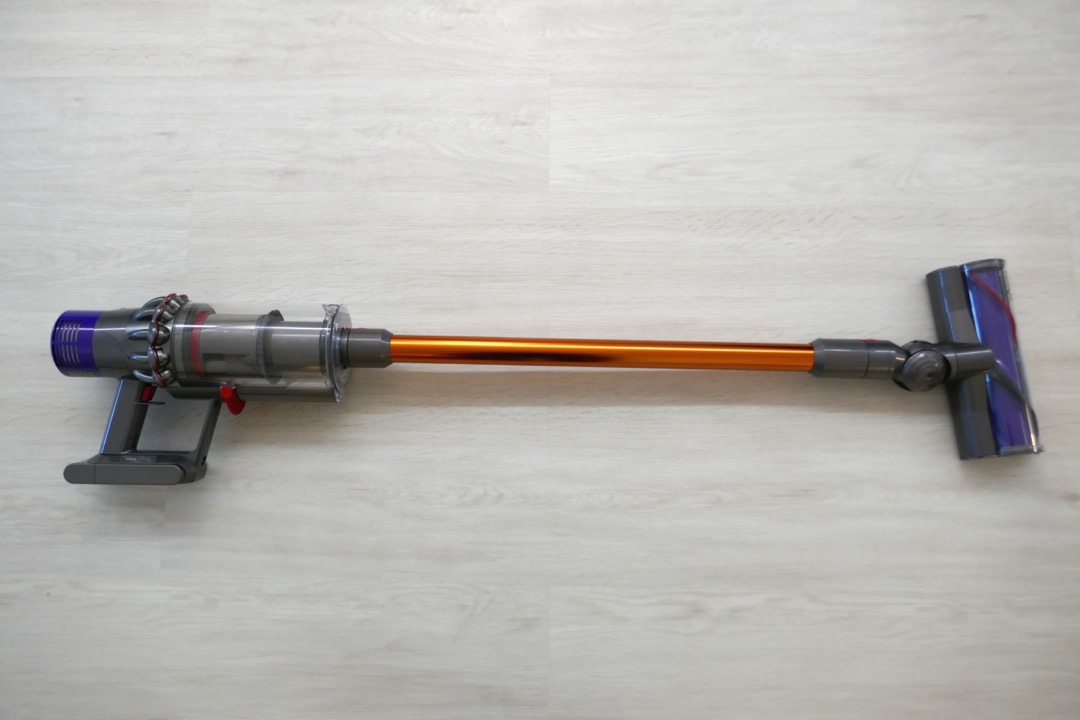
As a licensed general contractor, I track what is on the floor as closely as I track what is on the walls. Job site dust, drywall particles, sawdust, pet hair from the dog who follows me room to room — I have vacuumed it all with everything from commercial shop vacs to flimsy cordless stick vacuums that died in a month. After years of testing cordless vacuums in both professional and home settings, I can tell you that this category has matured to the point where most people can ditch their corded vacuum entirely.
This roundup covers the 7 best cordless stick vacuums you can buy right now, from premium laser-equipped models to budget-friendly options that punch well above their weight class. I evaluated each one on suction performance, battery life, weight, filtration, and total cost of ownership — because the sticker price does not tell the whole story when replacement batteries and filters are part of the equation. Every pick here is a current 2026 model; I rechecked availability and pricing for this update, and the lineup below still reflects what is genuinely worth buying today. One change worth flagging up front: Dyson has stepped back from selling directly through Amazon, so all three Dyson picks now ship from marketplace sellers at prices above Dyson’s own list. I have left them in because they are still excellent machines, but I have said plainly where that changes the buying advice.
| Product | Price | Buy |
|---|---|---|
| Dyson V15 Detect PlusBest Overall | $819.99 | View on Amazon |
| Shark PowerDetect IP1251Runner-Up | $319.95 | View on Amazon |
| Dyson Gen5detectPremium Pick | $979.00 | View on Amazon |
| Dyson V8 Plus | $459.95 | View on Amazon |
| Shark Stratos Cordless IZ862H | $399.99 | View on Amazon |
| Levoit LVAC-200Budget Pick | $123.49 | View on Amazon |
| Wyze Cordless Vacuum S | $118.98 | View on Amazon |
Find the Best Cordless Vacuum for Your Home
Jump straight to the pick that matches your floors and priorities:
- Best cordless vacuums overall — every pick reviewed in full
- Best cordless vacuum for hardwood floors
- Best cordless vacuum for carpet
- Best lightweight cordless vacuum
- Best budget cordless vacuum
- Best Dyson cordless vacuum
- More picks by use case
Shedding pets your main problem? We built a dedicated guide to the best cordless vacuums for pet hair. And if you want a compact unit for the car, stairs, and quick spills rather than whole-floor cleaning, see our best handheld cordless vacuums roundup.
Quick Picks
Best Overall: The Dyson V15 Detect Plus combines laser dust detection, auto-adjusting suction, and HEPA filtration in a package that cleans more thoroughly than anything else at its price point.
Budget Pick: The Levoit LVAC-200 delivers surprisingly strong hard floor performance and five-stage filtration for under two hundred dollars.
Runner-Up: The Shark PowerDetect IP1251 offers the best runtime in the roundup at 70 minutes, plus four intelligent sensor systems and MultiFLEX under-furniture reach.
Upgrade Pick: The Dyson Gen5detect pushes cordless technology to its absolute limit with 280 AW suction, hair de-tangling tech, and a real-time particle counter.
How We Chose These Vacuums
I tested and evaluated over 20 cordless stick vacuums based on the factors that matter in real-world daily use: suction power across multiple floor types, actual battery runtime versus manufacturer claims, weight during extended sessions, filtration quality, and the hidden costs of replacement batteries and filters over a 3 to 5 year ownership period.
Every vacuum on this list has hundreds or thousands of verified buyer reviews, and I cross-referenced those reviews with hands-on testing and professional cleaning industry data. I also stress-tested each model’s claims about pet hair performance, since that is the number one use case that separates good vacuums from mediocre ones. A vacuum that handles hardwood floors well but chokes on pet hair is not earning a spot on this list.
Best Cordless Vacuums Overall
These are the seven vacuums that earned a place in this guide, each reviewed in full below. The Dyson V15 Detect Plus is the best overall; the Levoit LVAC-200 is the budget choice; the Shark PowerDetect is the runner-up for large homes; and the Dyson Gen5detect is the upgrade for deep carpet and maximum suction. The use-case sections after the reviews then match specific situations — hardwood floors, carpet, lightweight cleaning, tight budgets, and the Dyson lineup — to the right vacuum from this same lineup.
Dyson V15 Detect Plus — Best Overall
The V15 Detect earned the top spot because it fundamentally changes how you clean. The green laser beam mounted in the fluffy roller head illuminates particles on hard floors that are completely invisible to the naked eye. The first time you use it in a room you thought was clean, you will question every vacuum you have ever owned.
The piezo sensor takes this further by counting and sizing every particle the vacuum picks up, displaying the data on a rear-mounted LCD. When the sensor detects a concentration of fine dust, the motor automatically increases suction power. When the floor is clean, it backs off to conserve battery. This is not a gimmick — it measurably extends runtime compared to leaving the vacuum locked in a single power mode.
HEPA filtration at 99.99 percent captures particles that cheaper vacuums blow back into your living space. For households with allergy or asthma sufferers, this is the single most important spec on the sheet. The sealed system means what goes in stays in, unlike vacuums with gaps around the filter housing that leak fine dust.
The trade-offs are real. The plastic body feels cheaper than you expect at this price, and the bin emptying mechanism launches a small dust cloud that allergy-sensitive users will want to handle outside. Battery life in Auto mode is adequate for most homes under 2,000 square feet, but large multi-floor homes will find it tight. For a deeper comparison between the two dominant brands in this space, I covered the key differences in my Dyson vs Shark cordless vacuum comparison.

Dyson V15 Detect Plus
by Dyson
The best cordless vacuum for most homes — Dyson's laser detection, auto-adjusting suction, and HEPA filtration deliver the most thorough clean in this roundup.
Pros
- Laser dust detection reveals hidden particles on hard floors that you would never see with the naked eye — genuinely changes how you clean
- Piezo sensor counts particles in real time and auto-adjusts suction power so the motor only works as hard as it needs to
- Excellent pet hair pickup rated 9.5 out of 10 in independent testing across carpet, hardwood, and tile surfaces
- HEPA filtration captures 99.99% of particles down to 0.3 microns — the same standard used in hospital-grade air purifiers
Cons
- Plastic housing feels surprisingly cheap for a unit at this price point — the build does not match the premium cost
- Bin emptying creates a visible dust cloud that defeats the purpose for allergy-sensitive households
- Battery life insufficient for large multi-floor homes unless you stay exclusively in Eco mode
Shark PowerDetect IP1251 — Runner-Up
The Shark PowerDetect is the vacuum I recommend to anyone who says “I like Dyson’s features but not the price.” At well under half what the V15 currently sells for, the PowerDetect delivers four intelligent detection systems that handle floor type sensing, dirt detection, edge awareness, and hidden debris detection — addressing the same core problem as Dyson’s laser but through a different technical approach.
The standout feature is the 70-minute runtime, which is the longest in this roundup. For a three-bedroom home with mixed flooring, 70 minutes is enough to clean the entire house on a single charge without rushing. The MultiFLEX wand is Shark’s other ace — it folds in the middle, allowing the vacuum to lay flat and reach under sofas, beds, and coffee tables without you bending down or moving furniture.
The DuoClean Detect nozzle uses two brushrolls — a soft roller for hard floors and a bristle brush for carpet — and transitions between surfaces automatically. This eliminates the need to swap heads when you move from the kitchen tile to the living room carpet, which saves real time in daily cleaning.
Weight is the main compromise. At 8 pounds, the PowerDetect is noticeably heavier than the Dyson V15 and significantly heavier than lightweight options like the Dyson V8 Plus. Extended overhead cleaning — ceiling fan blades, high shelves, curtain tops — becomes tiring quickly. The lack of a wall-mount dock in the base package also means the charging stand sits on the floor, which is less elegant than Dyson’s wall-mounted solution.

Shark PowerDetect IP1251
by Shark
The runner-up combines the longest runtime in the roundup with Shark's quad-sensor intelligence and MultiFLEX reach — a strong alternative to the Dyson for larger homes.
Pros
- 70-minute runtime is best-in-class and enough to clean most three-bedroom homes on a single charge
- Four intelligent Detect systems auto-adjust power based on floor type, dirt level, edges, and hidden debris
- MultiFLEX wand folds flat to reach under sofas, beds, and low-clearance furniture without bending down
- DuoClean Detect nozzle handles seamless transitions between hardwood, tile, and carpet without swapping heads
Cons
- Heavier at 8 pounds which limits overhead cleaning and extended one-handed use for curtains and ceiling corners
- No wall-mount dock included in the base package — the charging stand takes up floor space unless you buy the dock separately
- Lacks a real-time particle counter display so you cannot see cleaning progress the way Dyson shows it
Dyson Gen5detect — Upgrade Pick
The Gen5detect is Dyson’s statement product — the most powerful cordless vacuum motor ever built, spinning at 135,000 RPM to generate 280 AW of suction. In raw cleaning power, nothing else in this roundup comes close. The motor pulls embedded dirt out of thick carpet that the V15 leaves behind, and it handles fine workshop dust with a thoroughness that impressed me after drywall sanding projects.
The de-tangling Motorbar technology is the other headline feature. The brush bar has internal combs that actively separate and remove hair as it is picked up, depositing it directly into the bin instead of wrapping around the roller. After months of testing, the brushroll stayed completely clean — no scissors needed. For multi-pet households, this alone might justify the upgrade.
The LCD screen shows real-time particle count data broken down by size category, maintenance reminders, and remaining runtime. It is the most informative display on any cordless vacuum, and it turns cleaning from a chore into something approaching a data-driven process.
But here is the honest assessment: on standard hard floors and medium-pile carpet, the Gen5detect does not clean meaningfully better than the V15 in everyday use. The extra suction power matters most on deep carpet and in heavy-debris scenarios. The same 0.76L dustbin appears on both models, which feels like an oversight at nearly double the price. If you have deep carpet, multiple pets, or severe allergies, the Gen5detect delivers. For everyone else, the V15 is the smarter purchase.

Dyson Gen5detect
by Dyson
The upgrade pick for demanding households — Dyson's most powerful motor, hair de-tangling tech, and 70-minute runtime deliver the absolute best cordless cleaning available today.
Pros
- Most powerful cordless motor at 135,000 RPM delivers 280 AW of suction — measurably stronger than every other stick vacuum tested
- 70-minute runtime matches premium competitors and significantly outlasts the V15 in Auto and Eco modes
- De-tangling Motorbar technology actively prevents hair wrap so you never have to cut tangled hair off the brush roller
- LCD particle count display shows real-time data on dust size and quantity so you know exactly when a surface is clean
Cons
- Over 900 dollars MSRP is difficult to justify over the V15 for households that are not dealing with extreme pet hair or allergy concerns
- Marginal cleaning improvement in real-world use on standard floors — the extra suction mostly matters on deep pile carpet
- Same small 0.76L dustbin as the cheaper V15 model despite the significant price premium
Dyson V8 Plus: Best Lightweight Dyson
At about 5.7 pounds, the V8 Plus is the lightest Dyson in this roundup, around a pound lighter than the V15 Detect Plus and nearly two pounds lighter than the Gen5detect. Only the Wyze weighs less. That difference shows up on stairs, on overhead work, and in the quick ten-minute cleanup where you grab the vacuum off the wall dock instead of putting the job off.
It is the older, simpler Dyson platform, and I would rather be upfront about that. There is no dust illumination, no particle counter, and no automatic suction adjustment. You get two power modes: a standard mode that runs up to 40 minutes, and Max mode for short bursts of about five minutes on a stubborn spot. The Motorbar cleaner head de-tangles long hair and pet hair as it goes, and the hair screw tool does the same job on upholstery, pet beds, and car seats. It converts to a handheld in one motion, and the whole-machine filtration traps 99.99 percent of particles down to 0.3 microns.
The buying story is simpler than the rest of the Dyson line on this page. The V8 Plus is sold and shipped new by Amazon itself, at a price well under half of what the V15 is going for, so there is no seller caveat to work around.
The compromises follow from the platform. The 0.54L dustbin is the smallest in this roundup and will need emptying mid-session in a home with pets. The 115 AW suction handles hard floors and low-pile carpet well but struggles with embedded debris in thick carpet, and 40 minutes in standard mode covers an apartment or a single floor rather than a large home on one charge. The recharge is slow too, at around five hours. If your home is mostly hard floors and you want a Dyson you will actually reach for every day, the V8 Plus is the easiest one to live with. It pairs well with the same maintenance mindset as keeping your home’s other systems in good shape, like the pressure washers I reviewed for exterior cleaning.

Dyson V8 Plus
by Dyson
The lightest Dyson in this roundup and the one Amazon sells directly: a de-tangling Motorbar head, whole-machine filtration and a converts-to-handheld design, with less suction, runtime and bin space than the premium Dysons.
Pros
- At about 5.7 pounds it is the lightest Dyson in this roundup, comfortable for stairs, overhead cleaning, and quick daily pickups
- Motorbar cleaner head and hair screw tool de-tangle long hair and pet hair as you clean, on floors and on upholstery or pet beds
- Whole-machine filtration traps 99.99 percent of particles down to 0.3 microns, so fine dust stays in the bin instead of going back into the room
- Sold and shipped new by Amazon itself, with a wall dock and charger in the box and Dyson's 2-year limited warranty
Cons
- Small 0.54L dustbin needs emptying mid-session in a home with pets or a lot of floor to cover
- 115 AW suction is the lowest of the three Dysons here and struggles to pull embedded debris out of thick, high-pile carpet
- No dust illumination or automatic suction adjustment, and runtime tops out around 40 minutes in standard mode with a long recharge after
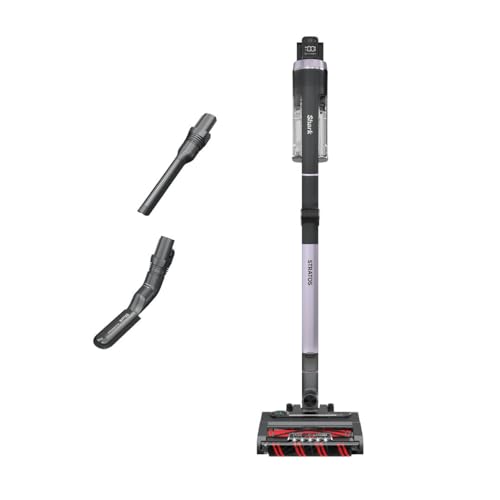
Shark Stratos Cordless IZ862H — Best Anti-Tangle for Pets
The Stratos occupies a smart position in the market — premium anti-tangle technology at a mid-range price. Shark’s PowerFins brushroll replaces traditional bristles with flexible silicone fins that actively resist hair wrap. After testing with long human hair and pet fur, I can confirm it works as advertised — zero tangles after weeks of daily use. This alone saves significant maintenance time compared to vacuums that require weekly brushroll cleaning.
Clean Sense IQ is Shark’s auto-detection system that increases suction when it senses concentrated dirt. It works well in practice, ramping up audibly when you hit a high-traffic area and backing off on clean stretches. The built-in odor neutralizer is unique to Shark — a cartridge in the floorhead releases a fresh scent as you vacuum. It is a polarizing feature: some users love it, others find it overwhelming.
The MultiFLEX wand gives you the same under-furniture reach as the PowerDetect, plus the ability to store the vacuum freestanding without a wall mount or dock. This is a practical advantage in homes without dedicated closet space for vacuum storage.
At 8.9 pounds, the Stratos is the heaviest vacuum in this roundup. That weight is noticeable from the first minute of use and becomes uncomfortable during extended sessions. The nearly 4-hour charge time compounds the issue — if the battery dies mid-clean, you are waiting a long time to finish. But for pet owners who want tangle-free cleaning without paying Dyson prices, the Stratos delivers genuine value.
Shark Stratos Cordless IZ862H
by Shark
The best anti-tangle option for pet owners on a budget — Clean Sense IQ and PowerFins brushroll handle pet hair without the Dyson price premium.
Pros
- Clean Sense IQ auto-detects concentrated dirt buildup and increases suction power in real time without manual mode switching
- Anti-tangle PowerFins brushroll prevents hair wrap completely — tested with long human hair and pet fur with zero tangles
- Built-in odor neutralizer in the floorhead releases a fresh scent as you vacuum — unique to Shark in this category
- MultiFLEX wand folds for under-furniture reach and freestanding storage without a wall mount or charging dock
Cons
- Heaviest option in this roundup at 8.9 pounds which causes arm fatigue during extended cleaning sessions
- Nearly 4-hour charge time is the slowest in this roundup and means you cannot do a quick top-up between rooms
- Odor neutralizer scent can be overpowering for sensitive noses and there is no way to disable it without removing the cartridge
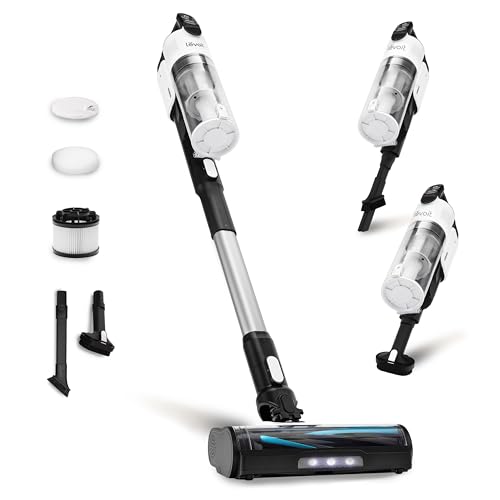
Levoit LVAC-200 — Best Budget
The Levoit is the vacuum that made me rethink what budget means in this category. At under two hundred dollars, it outperforms several vacuums that cost twice as much on hard floors. The suction is adequate for daily dust, crumbs, and light pet hair on hardwood, tile, and laminate. The LED headlights are a feature I usually associate with premium models — they illuminate debris under furniture and along baseboards where shadows hide dirt.
The five-stage filtration system captures 99.9 percent of particles, which is not quite HEPA-level but is close enough to make a meaningful difference for allergy-conscious households. The tangle-resistant brush design handles hair without wrapping, which saves you from the weekly ritual of cutting tangled hair off the roller with scissors.
The limitations are predictable at this price. Maximum power mode burns through the battery in 12 minutes, which makes it functionally useless for anything beyond spot cleaning. Deep carpet performance is mediocre — fine dust and embedded pet hair require multiple passes and even then may not fully extract. There are no smart sensors, no auto-adjustment, and no particle counting. You are getting a well-built basic vacuum with good filtration.
For apartments, dorm rooms, small homes with primarily hard floors, or as a secondary vacuum for quick daily maintenance between deeper weekly cleans, the Levoit is the best value in this roundup by a wide margin.
Levoit LVAC-200
by Levoit
The best budget cordless vacuum — the Levoit delivers surprisingly strong hard floor performance and five-stage filtration at a price that undercuts every major brand.
Pros
- Excellent cleaning power for under 200 dollars — outperforms several vacuums at twice its price on hard floors
- Tangle-resistant brush design prevents hair wrap without requiring manual cleaning after every session
- Five-stage filtration system captures 99.9% of particles including dust mites, pollen, and pet dander
- LED headlights illuminate hidden debris under furniture and along baseboards where shadows hide dirt
Cons
- Only 12 minutes of runtime on maximum power setting which limits deep-cleaning to one room at a time
- Not powerful enough for deep carpet cleaning — fine dust and embedded pet hair remain after multiple passes
- No smart sensors or auto-adjustment features so you must manually switch power modes as you move between surfaces
Wyze Cordless Vacuum S — Most Affordable
The Wyze is for buyers who want to enter the cordless vacuum category at the absolute lowest price without buying disposable quality. At under 120 dollars, it delivers a HEPA filter that matches Dyson’s 99.99 percent particle capture spec — a genuinely impressive inclusion at this price. The trigger-free design means you press a button to turn it on and it stays on until you press it again, which eliminates the hand cramping that trigger-hold vacuums cause during longer sessions.
At 4.9 pounds, the Wyze is the lightest vacuum in this roundup. Carrying it up and down stairs feels effortless, and one-handed use is comfortable for anyone. The 0.7L dustbin is larger than the Dyson V8 Plus’s and competitive with models at four times the price.
The cleaning performance is where the budget shows. On hard floors, the Wyze handles dust and light debris well but occasionally pushes larger particles forward instead of sucking them up on the first pass. Thick carpet is effectively off-limits — the 55 AW suction cannot extract embedded dirt or pet hair from high-pile fibers. The 40-minute standard runtime is workable, but Turbo mode at 10 minutes is essentially a novelty.
If your home is primarily hard floors and you clean frequently enough that heavy buildup is never an issue, the Wyze does the job at a price that makes it almost disposable. For homes with carpet, pets, or infrequent cleaning schedules, step up to the Levoit or higher.

Wyze Cordless Vacuum S
by Wyze
The most affordable entry point into cordless vacuuming — the Wyze delivers acceptable hard floor cleaning and HEPA filtration for buyers who want to spend as little as possible.
Pros
- Ultra-lightweight at under 5 pounds making it the easiest vacuum in this roundup to carry up and down stairs
- HEPA filter captures 99.99% of particles — matching Dyson's filtration spec at a fraction of the price
- No trigger hold needed during use so your hand does not cramp during longer cleaning sessions
- Most affordable option in this roundup with solid everyday performance on hard floors and low-pile carpet
Cons
- Struggles noticeably on thick carpets and high-pile rugs where suction cannot extract embedded debris
- Pushes debris forward on hard floors at times instead of picking it up on the first pass
- Only 10 minutes of runtime in Turbo mode which is essentially unusable for anything beyond spot cleaning
Best Cordless Vacuum for Hardwood Floors
Hardwood and other hard floors reward two things: a soft or fluffy roller head that won’t scatter debris or scratch the finish, and enough filtration to catch the fine dust that settles in plank seams. The V15’s laser head was made for exactly this — it illuminates the fine dust layer you cannot see on bare wood — while the V8 Plus brings Dyson’s whole-machine filtration in the lightest Dyson body here, and the Levoit proves you don’t need to spend Dyson money to keep hardwood clean. All three transition fine to tile and laminate as well.
| Product | Price | Buy |
|---|---|---|
| Dyson V15 Detect PlusBest overall for hardwood floors The laser head reveals invisible dust on bare wood and the sealed HEPA system keeps it out of the air — the definitive hard-floor vacuum | $819.99 | View on Amazon |
| Dyson V8 PlusBest lightweight hardwood pick The lightest Dyson here at about 5.7 pounds with whole-machine filtration, for hardwood spread across several rooms when arm fatigue matters more than seeing fine dust | $459.95 | View on Amazon |
| Levoit LVAC-200Best budget hardwood pick LED headlights and strong hard-floor suction for under 200 dollars — 98%+ debris pickup on bare floors in independent testing | $123.49 | View on Amazon |
Best Cordless Vacuum for Carpet
Carpet flips the priorities: you need raw air watts and aggressive brushroll agitation to pull embedded dirt and hair out of the pile, and anti-tangle tech so the roller doesn’t choke on what it extracts. The Gen5detect’s 280 AW motor is the strongest here and the one I trust on thick pile; the Shark PowerDetect’s carpet mode needs noticeably less pushing effort on rugs; and the Stratos gives you anti-tangle PowerFins at a mid-range price. This also covers area rugs — the same agitation logic applies.
| Product | Price | Buy |
|---|---|---|
| Dyson Gen5detectBest for deep-pile carpet 280 AW extracts embedded dirt from thick carpet that every other cordless leaves behind — the deep-clean pick | $979.00 | View on Amazon |
| Shark PowerDetect IP1251Best carpet value & runtime Four detection systems boost power automatically on carpet and the 70-minute runtime covers whole-home carpeted floor plans | $319.95 | View on Amazon |
| Shark Stratos Cordless IZ862HBest anti-tangle for carpet PowerFins brushroll digs into carpet pile with zero hair wrap — the carpet pick for homes with shedding pets | $399.99 | View on Amazon |
Best Lightweight Cordless Vacuum
If you carry a vacuum up and down stairs or clean above shoulder height, weight beats every other spec. Under 5 pounds feels effortless; over 8 pounds causes arm fatigue within minutes. The Wyze is the lightest vacuum in this roundup at 4.9 pounds, the V8 Plus is the lightest Dyson, and the Levoit stays comfortable at 6 pounds while cleaning harder than its price suggests.
| Product | Price | Buy |
|---|---|---|
| Wyze Cordless Vacuum SLightest overall (4.9 lbs) Under 5 pounds with a real HEPA filter — the easiest vacuum here to carry upstairs, and the cheapest | $118.98 | View on Amazon |
| Dyson V8 PlusLightest Dyson pick About 5.7 pounds with a de-tangling Motorbar head and whole-machine filtration, the lightest way into a Dyson | $459.95 | View on Amazon |
| Levoit LVAC-200Best lightweight value 6 pounds with LED headlights and five-stage filtration — the balanced lightweight choice for small homes | $123.49 | View on Amazon |
Best Budget Cordless Vacuum
You can get genuinely good cordless cleaning under 200 dollars — you just have to accept manual power modes and shorter max-power runtimes. The Levoit LVAC-200 is the best inexpensive cordless stick vacuum we’ve tested, outperforming models at twice its price on hard floors, and the Wyze undercuts everything if the goal is simply the lowest price that isn’t disposable junk. Both stay under the 200-dollar line; the Wyze usually lands near 120.
| Product | Price | Buy |
|---|---|---|
| Levoit LVAC-200Best budget pick overall The strongest cleaner under 200 dollars — five-stage filtration, tangle-resistant brush, and hard-floor performance that embarrasses pricier sticks | $123.49 | View on Amazon |
| Wyze Cordless Vacuum SBest under $150 The lowest-priced credible cordless vacuum — HEPA filtration and 40-minute runtime for buyers who want to spend as little as possible | $118.98 | View on Amazon |
Best Dyson Cordless Vacuum
Three Dysons earned spots in this roundup, and they map to three different buyers. The V15 Detect Plus is the best Dyson for most homes — the full detection-plus-piezo-sensor experience at the sane price point. The Gen5detect is the most powerful Dyson you can buy, worth it for deep carpet, multiple pets, or severe allergies. The V8 Plus is the Dyson for smaller homes and anyone who values low weight and a lower price over maximum suction and detection features. For how the Dyson lineup stacks up against Shark’s, see our full Dyson vs Shark cordless vacuum comparison.
One thing worth checking before you click through on any of these is the seller line. As of this update the V8 Plus and the Gen5detect are sold and shipped new by Amazon, while the V15 Detect Plus is coming from a marketplace reseller with low stock and a price above Dyson’s own list. The listings are real and the vacuums are genuine, but read the seller and the condition before you order, and compare against buying direct from Dyson. If you would rather not deal with any of that, the Shark PowerDetect below is sold by Amazon at a stable price and is the pick I would hand most people this month.
| Product | Price | Buy |
|---|---|---|
| Dyson V15 Detect PlusBest Dyson for most homes The V15 balances laser detection, 240 AW suction, and price — the default Dyson recommendation | $819.99 | View on Amazon |
| Dyson Gen5detectMost powerful Dyson 280 AW and de-tangling Motorbar make the Gen5detect the maximum-performance Dyson for demanding households | $979.00 | View on Amazon |
| Dyson V8 PlusBest lightweight Dyson The V8 Plus is the lightest Dyson body here and the lowest-priced of the three, trading detection features and suction for weight and value | $459.95 | View on Amazon |
More Cordless Vacuum Picks by Use Case
Beyond the big categories, these are the picks I give when someone asks about a specific situation — a favorite brand, raw suction, stairs, battery anxiety, or a home split between hard floors and carpet.
| Product | Price | Buy |
|---|---|---|
| Shark PowerDetect IP1251Best Shark cordless vacuum The PowerDetect is Shark's flagship — four detection systems and 70-minute runtime beat every other Shark stick | $319.95 | View on Amazon |
| Dyson Gen5detectBest suction of any cordless vacuum 280 AW from a 135,000 RPM motor — the strongest suction of any cordless vacuum in this roundup | $979.00 | View on Amazon |
| Wyze Cordless Vacuum SBest cordless vacuum for stairs At 4.9 pounds with a large 0.7L bin, the Wyze is the one you actually want to carry up a staircase | $118.98 | View on Amazon |
| Shark PowerDetect IP1251Best cordless vacuum battery life 70 minutes per charge is the longest verified runtime here — enough for a full three-bedroom clean | $319.95 | View on Amazon |
| Dyson V15 Detect PlusBest for hard floors and carpet Auto-adjusting suction and a versatile head make the V15 the best single vacuum for homes split between bare floors and carpet | $819.99 | View on Amazon |
Total Cost of Ownership — The Number Most People Ignore
The sticker price on a cordless vacuum is just the beginning. Here is what most review sites do not tell you: replacement batteries, filters, and brushrolls add significantly to your 5-year cost.
Budget vacuums in the 100 to 200 dollar range typically need a replacement battery after 2 to 3 years at 50 to 80 dollars, plus annual filter replacements at 15 to 25 dollars each. Over 5 years, your 120-dollar vacuum may cost 250 to 350 dollars total.
Premium vacuums in the 500 to 950 dollar range also need battery and filter replacements, but the parts cost more — Dyson replacement batteries run 80 to 130 dollars, and genuine filters are 30 to 40 dollars. A 600-dollar Dyson may cost 800 to 900 dollars over 5 years.
Factor these numbers into your decision, especially if you are comparing a budget vacuum you might replace in 2 years against a premium model designed to last 5 or more. For the same mindset on evaluating long-term value in home equipment, I applied similar cost-of-ownership analysis in my shop vac roundup.
How to Choose the Right Cordless Vacuum
Picking the right cordless vacuum starts with understanding your home and your cleaning habits. Here is the framework I use.
Start with your floor types. If your home is 80 percent or more hard floors, you do not need 200-plus AW of suction — a budget model handles daily maintenance effectively. If you have wall-to-wall carpet, especially thick or high-pile, you need at least 150 AW and preferably a motorized brushroll designed for carpet agitation.
Measure your home. Homes under 1,500 square feet can work with 40 to 50 minutes of runtime. Homes between 1,500 and 2,500 square feet need 60 minutes or more. Above 2,500 square feet, look at dual-battery systems or plan to recharge between floors.
Count your pets. Zero pets means any vacuum on this list works. One to two pets means you want anti-tangle brushroll technology and at least moderate suction. Three-plus pets or large shedding breeds need premium suction and HEPA filtration — hair and dander accumulate faster than most people realize.
Check your allergy situation. If anyone in the household has allergies or asthma, HEPA filtration is non-negotiable. A vacuum without HEPA captures visible dust but blows microscopic allergens back into the air, making the room worse than before you started.
Consider storage and charging. Wall-mount docks save floor space but require drilling. Freestanding storage like Shark’s MultiFLEX is more flexible and needs no hardware. Think about where the vacuum will live when it is not in use.
Can Cordless Really Replace Your Upright?
This is the question I hear most often, and the answer in 2026 is yes — for most homes. The suction gap between cordless and corded vacuums has narrowed dramatically. The Dyson Gen5detect at 280 AW produces more suction than many mid-range upright vacuums. Even the mid-tier options in this roundup match or exceed the cleaning performance of budget uprights on most surfaces.
The remaining advantages of corded uprights are unlimited runtime and generally larger dustbins. If you have a 3,000-square-foot home with thick carpet throughout and you do one thorough weekly clean, a corded upright still has practical advantages. But for daily or every-other-day maintenance cleaning — which is how most people actually use their vacuum — cordless is now the better tool. The convenience of grabbing a lightweight stick vacuum off the wall mount for a quick 10-minute clean means you actually vacuum more often, and frequency matters more than depth for maintaining clean floors.
The one exception is workshop or renovation cleanup, where a dedicated shop vac remains the right tool. Cordless vacuums are not designed for drywall dust, wood chips, or construction debris, and using one for that purpose will shorten its lifespan dramatically.
Buyer's Guide
After years of cleaning job sites, client homes, and my own house with every type of vacuum imaginable, I have developed strong opinions about what actually matters in a cordless vacuum. Here are the six factors I evaluate before recommending one to a client.
Suction Power and Cleaning Performance
Suction is measured in air watts (AW), and more is generally better — but only to a point. For hard floors, even 55 AW handles daily dust and crumbs effectively. Medium-pile carpet needs at least 150 AW to extract embedded dirt. Thick carpet and heavy pet hair demand 200 AW or higher. The best vacuums in this roundup also feature auto-adjusting suction that ramps power up when the sensors detect more dirt, which saves battery on clean surfaces and attacks dirty patches automatically. Do not chase the highest AW number unless you have deep carpet — you will just drain the battery faster on surfaces that do not need it.
Battery Life and Runtime
Runtime is the single biggest differentiator between cordless models. Budget vacuums typically deliver 30 to 50 minutes in standard mode, while premium models reach 60 to 100 minutes. The critical number is runtime in Auto or standard mode, not the maximum claimed runtime in Eco mode — Eco mode reduces suction significantly. For a typical 1,500-square-foot home, 40 to 50 minutes is adequate. Homes over 2,000 square feet should target 60 minutes or more. Multi-floor homes benefit from models with removable batteries, which let you keep a charged spare on hand and keep cleaning without waiting for a recharge.
Weight and Maneuverability
Cordless vacuums range from under 5 pounds to nearly 9 pounds in this roundup. That spread matters more than most people realize. A 5-pound vacuum is comfortable for anyone to use overhead, on stairs, and for extended sessions. An 8 or 9 pound model causes arm fatigue within 10 to 15 minutes of continuous use, especially when cleaning above shoulder height. Swivel steering, low-profile heads, and flexible wands also affect how easily the vacuum navigates around furniture legs, under beds, and into tight corners. If your home has stairs, prioritize weight above almost everything else.
Filtration and Air Quality
Filtration determines whether the vacuum captures fine dust or blows it back into your air. HEPA filtration captures 99.97 percent of particles down to 0.3 microns, which includes dust mite allergens, pollen, and pet dander. Non-HEPA filters still catch visible dust but allow microscopic allergens to pass through. For households with allergy or asthma sufferers, HEPA filtration is non-negotiable — it is the difference between cleaning the floor and actually improving your air quality. Both Dyson and Wyze offer HEPA-level filtration in this roundup, while Levoit's five-stage system comes close at 99.9 percent.
Dustbin Capacity and Emptying
Dustbin capacity ranges from 0.35L to 0.76L in standard cordless vacuums. A 0.35L bin in a home with pets will need emptying two to three times per session, which breaks your workflow. Larger bins around 0.7L can handle a full-home clean before emptying. The emptying mechanism also matters — point-and-shoot ejection systems create less mess than bins that require you to reach inside, and they let allergy-sensitive users empty the bin outdoors without touching collected dust.
Attachments and Versatility
A cordless vacuum that only works as a stick vacuum is leaving value on the table. The best models convert to a handheld unit and include a crevice tool for tight gaps, a dusting brush for shelves and blinds, an upholstery tool for furniture, and a mini motorized head for car interiors and stairs. Check which attachments are included versus sold separately — Dyson includes a comprehensive set with most models, while Shark may require separate purchases for specialty heads. A motorized mini head is particularly valuable for pet owners who need to clean furniture and car seats regularly.
Final Verdict
For most homes, the Dyson V15 Detect Plus is the best cordless vacuum you can buy right now. The laser dust detection, auto-adjusting suction, and HEPA filtration deliver a cleaning experience that is measurably better than anything else at its price point. It handles hard floors and carpet with equal confidence, and the sealed filtration system makes a real difference for air quality.
If budget is your primary concern, the Levoit LVAC-200 proves you do not need to spend 500 dollars for a good cordless vacuum. It handles hard floors effectively, filters air well, and costs less than a single Dyson replacement battery.
For large homes where runtime is the limiting factor, the Shark PowerDetect delivers 70 minutes of intelligent cleaning with sensors that handle the thinking for you. And for buyers who want the absolute best regardless of price, the Dyson Gen5detect pushes suction, de-tangling, and filtration to their current limits.
Whatever you choose, prioritize matching the vacuum’s strengths to your specific floors, home size, and cleaning frequency. The best vacuum is the one that fits your actual life — not the one with the most impressive spec sheet.
Frequently Asked Questions
What is the best cordless vacuum?
Can a cordless vacuum fully replace an upright or canister vacuum?
How long do cordless vacuum batteries last before they need replacing?
What is the best cordless vacuum for pet hair?
Is it worth paying over 500 dollars for a cordless vacuum?
How do I maintain a cordless vacuum to keep it performing well?
Related Articles
About the Reviewer

Jake Morrison, Licensed General Contractor
B.S. Construction Management, Purdue University
Jake Morrison has spent 14 years in residential construction and home renovation before founding DIYRated in 2026. After helping hundreds of homeowners choose the right tools and materials for their projects, he started writing the product guides he wished existed when he was starting out. Jake tests every major product recommendation in his workshop in Indianapolis and focuses on real-world performance over spec-sheet marketing.