Dyson vs Shark Cordless Vacuums: Which Brand Is Right for Your Home?
Dyson vs Shark cordless vacuums compared head-to-head: suction, self-emptying, warranty, flooring type, and long-term ownership cost. Jake Morrison breaks it down.
Updated
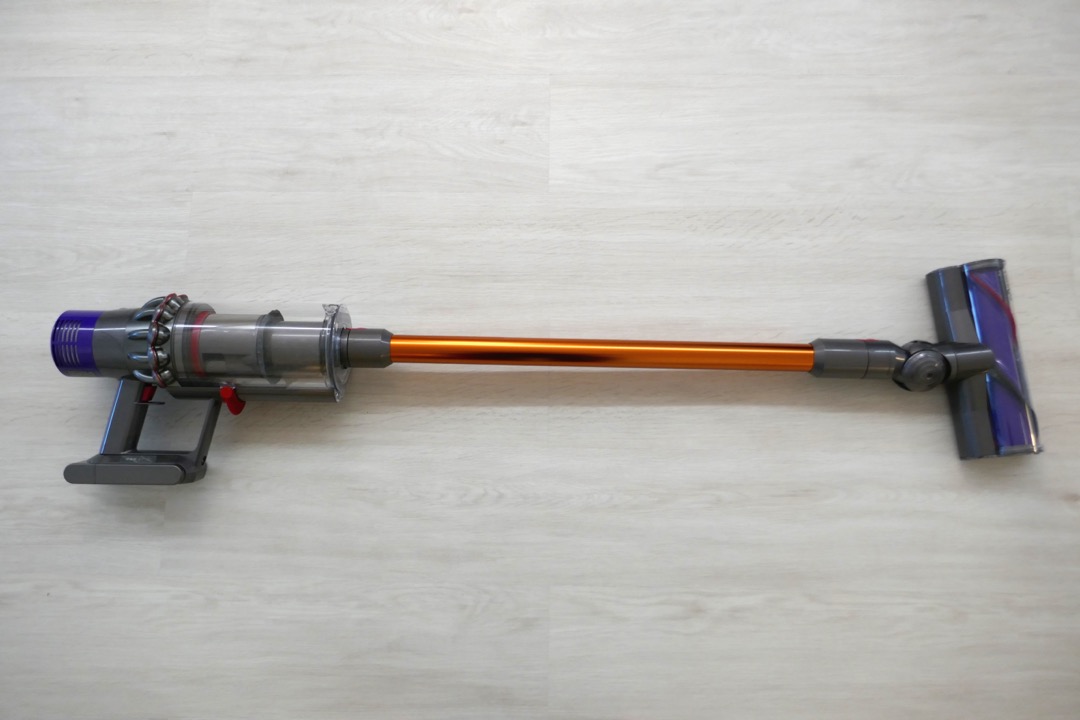
I have been on a lot of job sites over the years and I can tell you: the question I get more often than almost any other from homeowners watching us install new flooring is not about the flooring itself. It is “should I get a Dyson or a Shark?” The floors are going in, the renovation budget is wrapping up, and suddenly they are staring at a $400 vacuum decision without a clear framework for making it.
I am not a lab tester. I do not run standardized debris pickup trials with certified gravel and cotton strips. What I know is floors — every type, every finish, every condition — and I know what professional and residential cleaning gear actually does over years of daily use. That perspective is what this comparison is built around.
Both Dyson and Shark make excellent cordless vacuums in 2026. The question is not which brand is “better” — it is which one fits your specific situation. By the end of this breakdown, you will have a clear answer.
The Core Difference Between These Two Brands
Dyson built its reputation on engineering firsts: cyclone technology, whole-machine HEPA filtration, laser dust detection. Their cordless lineup — led by the V15 Detect, V12 Detect Slim, and Gen5 Detect — is built around the idea that you should be able to see what you are cleaning, precisely. The laser illuminates fine particles, the particle sensor counts and sizes debris in real time, and the LCD screen shows you proof that the floor is clean. That is a fundamentally different approach than most vacuums have ever taken.
Shark built its reputation on value disruption and practical innovation. The Flexology bendable wand, the self-emptying dock at a sub-$400 price point, PowerFins dual brushroll for tangle-free hair pickup — these are not gimmicks. They are real-world problems solved at a price that Dyson did not think it needed to compete at. The result: Shark now holds a significant share of the premium cordless vacuum market by delivering 85–90% of Dyson’s performance at 60–70% of Dyson’s price, with a longer warranty.
Flagship Model Comparison
Here is how the two leading models stack up on the specs that actually matter for daily use:
| Feature | Dyson V15 Detect | Shark PowerDetect Clean & Empty |
|---|---|---|
| Suction (max) | 230 AW | ~200 AW (estimated) |
| Runtime (eco) | Up to 60 min | Up to 60 min |
| Bin capacity | 0.77 L | 0.95 L |
| Self-emptying dock | Add-on (extra cost) | Included on C&E model |
| Auto-detect suction | Yes | Yes |
| Laser detection | Yes (V15 Detect) | No |
| Particle sensor/LCD | Yes | No |
| HEPA filtration | Whole-machine | HEPA filter (certified) |
| Flexology wand | No | Yes |
| Warranty | 2 years | 5 years |
| Weight | ~6.8 lbs | ~6.6 lbs |
| Typical retail price | Higher | Lower |
The self-emptying dock situation is the most important line in that table. On the Shark PowerDetect Clean & Empty, self-emptying is included in the base configuration. On the Dyson side, the Clean & Empty station for the V15 and Gen5 adds substantially to an already high purchase price. That pricing reality shapes the entire comparison for most buyers.
Where Dyson Wins
Deep carpet performance. On pile heights above 3/4 inch — Berber, shag, traditional loop — the Dyson V15 Detect’s suction consistency and brush roll design pull embedded debris that lighter suction leaves behind. I have seen this firsthand on carpet installs where post-construction cleanup revealed debris that standard vacuums missed and the V15 found. If you have wall-to-wall carpet in multiple rooms, this matters.
Laser dust detection. This technology sounds like a marketing feature until you see it working on a dark hardwood floor in the morning sun. The green laser illumination makes fine particles, dust, and debris visible that you simply cannot see otherwise — and more importantly, that you cannot see are still there after a standard vacuum pass. For allergy sufferers and households with fine pet dander, the practical feedback loop of “I can see it is clean” is genuinely valuable.
Whole-machine HEPA. Dyson’s cordless vacuums filter the entire airpath, not just the exit air. Dirty air cannot bypass the filter by leaking through the machine. For certified allergy and asthma-grade filtration, Dyson’s approach is more rigorous. If someone in your household has documented airborne allergen sensitivity, this distinction is worth paying attention to.
Mini motorized tool. Dyson’s mini motorized attachment for upholstery, car seats, and stairs is widely regarded as the best in the category. It delivers full suction power to a compact head — useful for the kind of detail cleaning that I see homeowners skip entirely because their other attachments are ineffective.
For cordless vacuum roundups where the Dyson V15 Detect appears as a top pick, check our best cordless stick vacuums roundup, which covers the full V-series lineup in depth.
Where Shark Wins
Self-emptying dock value. This is the defining competitive advantage in Shark’s 2025–2026 lineup. The PowerDetect Clean & Empty bundles the dock into the purchase price at a figure significantly below what a comparable Dyson + dock combination costs. Emptying the onboard bin every 1–2 rooms is the single most annoying maintenance task in cordless vacuuming. Eliminating it for 30–45 day stretches at a time changes the daily use experience more than almost any performance spec.
Flexology wand. On every floor-to-baseboards renovation I have done, low furniture clearance is a constant cleaning problem. Shark’s Flexology wand bends at the transition point between the wand and the floor head, letting you clean under sofas and beds at full suction without raising the entire handle to a near-horizontal position. For anyone who has ever strained their lower back reaching under a platform bed frame, this is not a minor feature.
PowerFins tangle resistance. Hair — human hair and pet hair — wraps around brush rolls and reduces performance quickly. Shark’s PowerFins design is specifically engineered to resist this. The fins flex and recover rather than capturing hair around the axle. Households with long-haired family members or shedding pets spend significantly less time picking hair off the brush roll with a Shark than with most competitors.
Five-year warranty. I keep coming back to this because it is a real dollar difference over ownership lifetime. Dyson’s 2-year coverage is standard for electronics. Shark’s 5-year coverage is exceptional for a vacuum. Motor failures, brush roll motor issues, and charging port problems that fall in years 3–4 of ownership — the period after Dyson’s warranty expires but before most people are ready to replace their vacuum — are covered by Shark. That is not an abstract benefit.
Discount frequency. Shark runs deeper promotional discounts more frequently than Dyson. If you are flexible on purchase timing, checking Amazon or major retailer sales before committing can reduce the Shark price substantially — sometimes 20–30% below regular retail.
For households specifically dealing with pet hair challenges, our guide to the best cordless vacuums for pet hair covers both brands with pet-focused criteria.
The Flooring Decision Guide
This is where I can add something most vacuum reviews miss, because floor type genuinely changes which brand is the right answer.
Hardwood, LVP, and tile (hard surface majority): Shark wins. Both brands clean hard surfaces at equivalent quality, and Shark’s Flexology and self-emptying dock add practical advantages at lower cost. The Dyson laser detection still reveals fine debris you cannot see on dark hardwood — if that matters to you, pay the premium. If not, Shark’s feature set on hard floors is fully comparable.
Short-pile carpet (Berber, cut pile under 1/2 inch): Tied. Both platforms handle short pile carpet efficiently. The V15 Detect’s particle sensor will show you debris counts if that feedback loop interests you, but practical cleaning results are similar. Shark’s PowerFins handle hair tangling better on carpet.
Medium to deep pile carpet (pile heights 3/4 inch and above): Dyson wins. The V15 Detect and Gen5 Detect deliver superior suction consistency on deep pile. If half or more of your home is medium-to-deep carpet — especially if you have kids or pets who spend time on the floor — Dyson’s carpet performance justifies the price difference.
Mixed flooring (hardwood main level, carpet bedrooms): Shark PowerDetect or Dyson V15 are equally viable. Shark’s automatic floor-type suction adjustment works well on transition floors. Dyson’s auto-detect is also effective. This scenario is the most common residential layout, and either flagship model handles it without compromise.
Tile and grout (kitchens, bathrooms, older homes): Shark leads here due to the single brushroll design’s effectiveness on textured surfaces without scratching. Grout lines trap debris that most vacuum heads skip over — Shark’s PowerFins design seats against textured surfaces better than some of Dyson’s heads in this specific application.
Long-Term Ownership Costs
The sticker price gap between Dyson and Shark is real, but the total cost of ownership conversation goes deeper. Here is what to budget for over a 5-year period with either platform:
Battery replacement. Cordless vacuum batteries degrade. Expect to replace at year 3–5 under normal use. Dyson replacement batteries are expensive — the V15 Detect replacement battery frequently costs nearly as much as a new Shark unit. Shark replacement batteries are more affordable. This cost asymmetry is meaningful if you plan to own your vacuum for 5+ years.
Filter replacement. Both platforms recommend annual filter replacement under heavy use. Filter costs are comparable across brands — roughly similar price points for genuine replacement filters. Aftermarket filters are available for both but I recommend sticking with OEM filters to maintain HEPA certification.
Brush roll maintenance. Shark’s tangle-resistant design reduces how often you need to cut hair off the brush roll, which extends its useful life. Dyson brush rolls are straightforward to clean but more prone to hair accumulation. Replacement brush rolls are available for both brands.
Warranty absorption. Shark’s 5-year warranty covers the failure window that represents the bulk of out-of-pocket repair costs. Dyson’s 2-year window expires before many component failures surface. Factor in the expected value of warranty coverage when comparing prices — it is not zero.
For buyers upgrading their entire cleaning toolkit, our best robot vacuums roundup covers hands-free alternatives that pair well with either a Dyson or Shark cordless for daily maintenance versus weekly deep cleans. And if hard surface floor cleaning is a priority, our best steam mops guide covers sanitizing options that vacuum-only setups miss.
Apartment Considerations
Apartment-specific factors that most comparison posts skip over entirely:
Storage footprint. Both brands store compactly when wall-mounted. The Shark self-emptying dock adds a footprint on the floor — typically a 10–12 inch base. In a studio or one-bedroom apartment, that dock placement needs to be planned. The Dyson dock (if purchased separately) is similarly sized. Both brands include wall-mount brackets.
Noise in shared buildings. Cordless vacuums are meaningfully quieter than traditional uprights and most canister vacuums. Thin-wall apartment construction amplifies vacuum noise to neighbors. Both Dyson and Shark flagship models run at comparable decibel levels during normal operation. Neither brand offers a specifically noise-optimized cordless model the way RYOBI’s Whisper Series does for leaf blowers.
Charging and battery storage in small spaces. The charging dock doubles as storage in both ecosystems. You do not need a separate hook or shelf — the dock is the storage solution. In apartment layouts where closet space is at a premium, this integrated approach keeps the vacuum accessible without dedicated cabinet space.
For smaller apartments where a full-size cordless is overkill for daily touchups, our roundup of best handheld cordless vacuums covers compact options from both brands that pair well with a full-size machine for quick spot cleaning.
Who Should Buy Dyson
You are the right Dyson buyer if:
- Your home is predominantly medium-to-deep carpet (3/4 inch pile or higher)
- Someone in your household has documented airborne allergies requiring whole-machine HEPA filtration
- The laser dust detection feedback loop appeals to you — you want visual confirmation that floors are clean
- You are buying the Gen5 Detect or V15 with the Clean & Empty station and the self-emptying dock cost is not a dealbreaker
- You already own other Dyson tools and value staying within the ecosystem
The Dyson V15 Detect is one of the most technically accomplished cordless vacuums on the market in 2026. If your situation matches the criteria above, the premium is warranted. Our full comparison of cordless stick options including the V15 is in the best cordless stick vacuums roundup.
Who Should Buy Shark
You are the right Shark buyer if:
- Your home is primarily hard surface flooring — hardwood, LVP, tile — with area rugs
- You want self-emptying capability without paying a Dyson-level premium
- You have pets or family members with long hair and want tangle-resistant brush roll design
- The 5-year warranty versus Dyson’s 2-year warranty matters for your long-term ownership plan
- You want strong performance at a lower entry price and are comfortable that you are not getting the laser detection or HEPA airpath certification
The Shark PowerDetect Clean & Empty is the best value proposition in premium cordless vacuums right now. It closes the gap with Dyson on suction, adds a self-emptying dock at a price Dyson cannot match, and backs it with a warranty that Dyson’s 2-year coverage does not approach. For the majority of households — mixed flooring, moderate vacuuming frequency, real-world maintenance preferences — Shark is the practical pick.
For households tackling the full floor cleaning picture beyond vacuuming, our roundup of best carpet cleaners covers deep-clean options that neither brand’s cordless vacuum replaces for periodic heavy soiling.
The Bottom Line
Choose Dyson if you have deep carpet throughout your home, documented allergy needs requiring HEPA certification, or you specifically want the laser detection technology and performance data the V15 Detect provides. Be prepared for a higher sticker price and shorter warranty coverage.
Choose Shark if you want self-emptying convenience, Flexology under-furniture reach, a 5-year warranty, and strong suction performance on mixed and hard flooring at a lower total cost of ownership. For most households, Shark is the pragmatic answer in 2026.
Neither is a wrong choice. Both brands build quality cordless vacuums that outlast their warranty periods under normal use. The decision comes down to your floor type, your maintenance preferences, and whether the features Dyson leads on — laser detection, whole-machine HEPA, deep carpet suction — are features your specific home actually needs.
For comprehensive picks across the full cordless vacuum category including both brands, see our best cordless vacuums roundup where we break down top models by use case with verified pricing and specs.
Frequently Asked Questions
Is Dyson or Shark better for pet hair?
Does Shark's self-emptying dock work as well as Dyson's?
Which lasts longer — Dyson or Shark cordless vacuums?
Are Dyson cordless vacuums worth the price premium?
Which cordless vacuum is better for apartments?
Related Articles
Robot Vacuums vs Stick Vacuums: Which One Actually Keeps Your Home Cleaner?
vacuums-floor-care
7 Best Cordless Leaf Blowers of 2026
outdoor-power
7 Best Electric Pressure Washers of 2026
outdoor-power
7 Best Cordless Vacuums of 2026
vacuums-floor-care
7 Best Cordless Vacuums for Pet Hair of 2026
vacuums-floor-care
About the Reviewer

Jake Morrison, Licensed General Contractor
B.S. Construction Management, Purdue University
Jake Morrison has spent 14 years in residential construction and home renovation before founding DIYRated in 2026. After helping hundreds of homeowners choose the right tools and materials for their projects, he started writing the product guides he wished existed when he was starting out. Jake tests every major product recommendation in his workshop in Indianapolis and focuses on real-world performance over spec-sheet marketing.