8 Best Miter Saws of 2026
Jake Morrison, a licensed general contractor, reviews the 8 best miter saws for every workshop and budget, from sliding compound models for trim work to cordless saws for jobsites with no outlet.
Updated
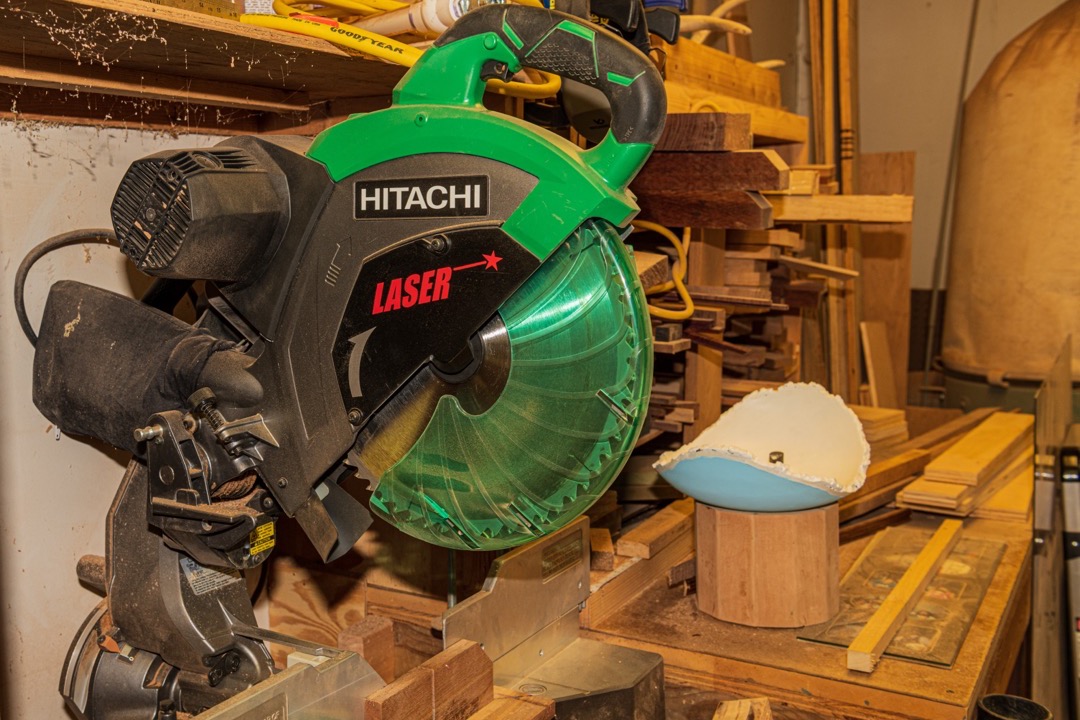
As a licensed general contractor, I have run miter saws on more jobsites than I can count, from framing new construction to installing crown molding in high-end renovations. A miter saw is the centerpiece of any serious workshop and the first power tool I set up on every project. The right one makes every cut faster, cleaner, and more accurate. The wrong one costs you time, material, and patience.
This September update is a bigger reshuffle than usual, because two long-standing picks stopped being buyable. The DEWALT DWS779 and the 12-inch Bosch GCM12SD both went unavailable on Amazon with no restock date, so I have replaced them with the closest saws I would actually put on a jobsite: the DWS780 steps up to best overall, and the Bosch CM10GD carries the Axial-Glide design over to a 10-inch platform. The Makita LS1219L joins as the upgrade pick for anyone who needs maximum capacity.
I tested and evaluated over 20 miter saws to narrow this list down to the 8 best options available right now. Whether you need a full-size sliding compound for professional trim work, a cordless slider for a jobsite with no power, a lightweight portable for framing, or an entry-level model for your first shop setup, there is a saw here that fits your work and your budget. (Building a fence at the same time? Use the free fence calculator to size your picket and rail order before the lumber-yard trip. It tells you exactly how many 8-foot 2×4s and 5.5-inch boards to cut, frost-zone aware for the right post depth in your region.)
Find the Best Miter Saw for Your Work
Jump straight to the saw that fits how and what you cut:
- Best cordless miter saw — battery power for a jobsite with no outlet
- Best budget miter saw
- Best 10-inch sliding compound miter saw
- Best miter saw for beginners
- Best miter saw for fine woodworking & trim
- Best miter saw for dust collection
Quick Picks
Best Overall: The DEWALT DWS780 combines the XPS LED shadow cutline with the most proven 15-amp slider platform in the trade, and it is the corded 12-inch slider I now recommend by default.
Budget Pick: The SKIL MS6305-00 packs sliding dual bevel capability into the cheapest slider here, making serious miter saw performance accessible to any home shop.
Runner-Up: The Bosch CM10GD features the smoothest glide system in the business and the best dust setup in this lineup, earning a loyal following among professional trim carpenters.
Upgrade Pick: The Makita LS1219L cuts wider stock and taller crown than anything else on this list while still sitting flush against a shop wall.
How We Chose These Saws
I evaluated miter saws based on the factors that matter on real jobsites and in real workshops: cutting capacity, accuracy out of the box, motor power through dense material, dust management, portability, and long-term reliability. Every saw on this list has been verified through buyer reviews, and I cross-referenced those reports with my own experience running these tools on framing and finish carpentry projects.
I also check availability before every update. A saw that is out of the catalog with no restock date is not a recommendation, no matter how good it was. This cycle all eight picks came back live and buyable, so the lineup is unchanged from the last update.
I intentionally included saws across a wide price range because the best miter saw for a professional trim carpenter running ten hours a day is not the same as the best saw for a homeowner building a deck. A first-time buyer spending under one hundred fifty dollars deserves a quality recommendation just as much as the contractor investing over seven hundred.
DEWALT DWS780 12-Inch Sliding Compound with XPS — Best Overall
The DWS780 is the saw I now hand to anyone who asks what corded slider to buy. Its 15-amp motor delivers smooth, consistent power through everything from pine 2x4s to oak stair treads, and the dual sliding rails extend the crosscut capacity to 2x16 at 90 degrees. There is no residential cutting task this saw cannot handle in a single pass.
The XPS LED shadow cutline is what separates it from every other saw at this price. Instead of a traditional laser that requires periodic calibration and still sits slightly off the actual blade kerf, the XPS projects the blade’s own shadow directly onto the workpiece. The cut guide is perfectly accurate out of the box and never needs recalibration. When you are cutting miters on expensive trim stock, one miscut on a piece of walnut baseboard costs more than the feature is worth on paper.
The 60-tooth carbide blade included in the box also matters more than most buyers expect. Most saws ship with a 32 or 40-tooth framing blade that leaves a face you have to sand. The DWS780’s blade cuts finish-ready trim from the first cut, which quietly removes a hundred dollars of upgrade from the real cost of ownership.
The stainless steel miter detent plate with 14 positive stops locks into common angles without drift. When you are swinging between 22.5 and 45 degrees repeatedly on a trim run, the detents hold and you stop double-checking with a square on every cut. Dust collection through the rear port is adequate rather than excellent, so connect it to a shop vacuum from day one.
The honest limits are weight and price. At 56 pounds, moving this saw takes two hands and a plan, and for pure framing crosscuts on 2x6 and narrower a non-sliding saw does the same job for far less. But for a do-everything shop saw, this is the one.

DEWALT DWS780 12-Inch Sliding Compound Miter Saw with XPS
by DEWALT
The DEWALT DWS780 pairs the XPS LED shadow cutline with the most proven 15-amp slider platform on the market, and it is now the best corded 12-inch sliding miter saw you can actually buy.
Pros
- XPS LED cutline system projects a precise shadow line directly on the workpiece without any calibration or adjustment
- Premium 60-tooth carbide blade included out of the box delivers glass-smooth crosscuts on hardwood and trim
- Bulletproof 15-amp motor platform, proven across millions of professional installs and still the benchmark for a corded slider
- Expanded crosscut capacity handles 2x16 lumber at 90 degrees for the largest residential framing tasks
Cons
- Costs meaningfully more than a non-sliding 12-inch saw, so it is hard to justify for pure framing crosscuts
- XPS LED bulb will eventually need replacement, adding a recurring maintenance cost
- Weighs 56 pounds, making it difficult for one person to move between jobsites without a miter saw stand
Bosch CM10GD 10-Inch Dual-Bevel Glide — Runner-Up
The Bosch glide saws have a cult following among professional trim carpenters, and once you use the Axial-Glide system you understand why. Instead of traditional rails that protrude behind the saw, Bosch uses a hinged arm system that keeps the entire sliding mechanism within the saw’s footprint. The articulated arms cut the front-to-back footprint by up to 10 inches compared with a rail slider of similar capacity, which means you can push the saw flat against a wall and still get full slide travel.
The glide action itself is the smoothest I have used on any miter saw. There is no slop and no play, and the blade tracks perfectly straight through the entire stroke. For cutting miters on hardwood trim where a joint either closes or it does not, that consistency shows up in the work.
Dust collection is the best here. The port geometry is designed around a vacuum rather than a bag, and connected to a shop vacuum it keeps noticeably more chip out of the air than any rail slider in this lineup. The tall 4.25-inch sliding fences also help with crown and base setups, and the bevel lock lever and range selector sit up front so you never reach around behind the saw.
The trade-offs are real. This is a 10-inch saw at a 12-inch price, so vertical capacity tops out at 5.5-inch baseboard against the fence where a 12-inch slider goes taller. At 64 pounds it is also the heaviest saw in this roundup, which makes it a shop tool rather than something you move daily. But if precision, dust management, and space efficiency are your priorities, nothing else here matches it.

Bosch CM10GD 10-Inch Dual-Bevel Glide Miter Saw
by Bosch
The Bosch CM10GD brings the Axial-Glide system to a 10-inch platform, delivering the smoothest slide and the best vacuum-assisted dust setup here in a saw that fits against a wall.
Pros
- Axial-Glide articulated hinge arms cut the saw's front-to-back footprint by up to 10 inches, so it sits flush against a wall with full slide travel
- Smoothest sliding action of any saw in this roundup, with no rail slop or play through the stroke
- 15-amp motor spinning 4,800 RPM leaves a cleaner cut face on trim than the slower 12-inch saws here
- Bevel lock lever and range selector sit up front, so you never reach around behind the saw to change a setting
Cons
- The 10-inch blade caps vertical capacity at 5.5-inch baseboard against the fence, less than a 12-inch slider manages
- At 64 pounds it is the heaviest saw in this roundup and a genuine two-person lift into a truck bed
- Premium price for a 10-inch saw when 12-inch sliders are available for similar money
SKIL MS6305-00 10-Inch Dual Bevel Sliding — Budget Pick
The SKIL MS6305-00 is the saw I recommend to every homeowner who asks what they should buy for their first serious miter saw. For the lowest price of any slider on this list, you get sliding capability, dual bevel adjustment, and a 15-amp motor, features that used to require spending twice as much.
The slide mechanism is surprisingly smooth for the price. I expected play and wobble, but the SKIL tracks straight and consistent across the full range of travel. The 10-inch blade at 4800 RPM spins fast enough to leave clean cuts in pine and poplar trim without excessive tearout. The dual bevel adjustment to 47 degrees in both directions means you never have to flip a workpiece for matching compound cuts.
Cutting capacity handles 2x12 and 4x4 lumber at 90 degrees, which covers the vast majority of home improvement projects. Crown molding up to 6.25 inches nests comfortably against the fence.
The honest downsides are dust collection and footprint. The included dust bag is nearly useless, so plan on connecting a vacuum from day one. And the rear-protruding slide rails need clearance behind the saw, so you cannot push it flush against a wall. But for the homeowner tackling a deck rail project, replacing baseboards, or building furniture on weekends, the SKIL delivers capability that punches far above its price class.

SKIL MS6305-00 10-Inch Dual Bevel Sliding Compound Miter Saw
by SKIL
The SKIL MS6305-00 delivers sliding dual bevel capability at a price point that makes it the clear winner for budget-conscious DIYers and homeowners tackling trim work.
Pros
- Outstanding value as a full-featured sliding dual bevel compound saw at the lowest price of any slider here
- Powerful 15-amp motor handles hardwood cuts without stalling or blade deflection
- Smooth slide mechanism with minimal play delivers consistent crosscuts across the full range of travel
- Blade guard stays clear of the workpiece during cuts, giving you an unobstructed sightline to the cut mark
Cons
- Dust collection is mediocre even with the included bag, and requires vacuum hookup for serious work
- Deep footprint when the slide rails are fully extended requires extra clearance behind the saw
- Control layout favors right-handed operators, making left-handed use less comfortable for extended sessions
Makita LS1219L 12-Inch Dual-Bevel Sliding Compound — Upgrade Pick
The LS1219L is what you buy when capacity is the constraint. It crosscuts 15 inches at 90 degrees, nests 8-inch crown vertically, and stands 6.75-inch baseboard against the fence. Those are the largest numbers in this roundup by a clear margin, and they are the difference between cutting a wide stair tread in one pass and flipping it halfway through.
Makita gets there with a two-steel-rail slide that keeps the mechanism inside the saw’s own footprint. It is the same problem the Bosch solves with hinged arms, answered differently, and the result is the rare 12-inch slider that sits flush against a wall. In a shop where the bench is against the back wall, that reclaims a foot of floor you would otherwise lose.
The in-front bevel lock is the detail that earns its keep on a long day. Adjusting bevel without walking around the saw or reaching over the blade saves a few seconds per cut, and on a trim package with a hundred compound cuts that adds up. Dual dust ports on the top and rear give you flexible hose routing, and the included 60-tooth micro-polished blade cuts finish-ready trim without an upgrade.
The objections are price and speed. This is the most expensive corded saw here by a wide margin, and at 3,200 RPM it spins slower than everything else on the list, so a sharp fine-tooth blade matters more than it does on a faster saw. At nearly 63 pounds it stays where you put it. For a finish carpenter or a serious woodworker who has run out of capacity, it is worth the money. For everyone else, the DWS780 does most of the same work for considerably less.

Makita LS1219L 12-Inch Dual-Bevel Sliding Compound Miter Saw with Laser
by Makita
The Makita LS1219L is the capacity king of corded sliders, cutting wider stock and taller crown than anything else here while still tucking flush against a shop wall.
Pros
- Biggest capacity here: 15-inch crosscuts at 90 degrees, 8-inch crown nested vertically, and 6.75-inch baseboard against the fence
- Two-steel-rail slide keeps the mechanism inside the saw's footprint, so a 12-inch slider finally sits flush against a wall
- In-front bevel lock and dual dust extraction ports make repetitive compound cuts faster and cleaner
- Ships with a 60-tooth micro-polished Makita blade that cuts finish-ready trim with no upgrade needed
Cons
- The most expensive corded saw in this roundup by a wide margin
- At 3,200 RPM it is the slowest-spinning saw here, so blade choice matters more for a clean face
- Nearly 63 pounds makes it a shop saw, not something you carry up a stairwell
DEWALT DWS715 12-Inch Single Bevel Compound
The DWS715 fills an important niche that the sliding saws cannot: maximum portability at minimum cost. At 36 pounds with an integrated carry handle, this is the saw you grab for jobsite framing, deck building, and any project where you are setting up and tearing down the same day.
The 15-amp motor at 4000 RPM cuts through framing lumber like it is not there. For crosscutting 2x4, 2x6, and 2x8 stock, which represents the vast majority of residential framing tasks, the DWS715 is as fast and accurate as any sliding saw at nearly half the weight. If you’re planning a wall or floor build, our free lumber calculator tallies the studs, plates, headers, and joists you’ll be crosscutting before you ever set the saw down. Work out what size those joists need to be first: the joist spacing chart gives you the maximum allowable span for any size, spacing, and grade, floor or deck, straight from the code tables.
The 14-stop miter detent plate matches the system on its bigger siblings, providing quick and accurate angle changes. Build quality is vintage DEWALT: the tool feels solid, the adjustments are tight, and the fence is straight. With close to 7,000 reviews at 4.8 stars, it also has the longest and most consistent track record of anything on this list.
What you give up is obvious. No sliding capability limits crosscuts to 2x8 at 90 degrees, and single bevel means flipping material for opposite-direction bevels. Dust collection is also poor, scattering chips in multiple directions. But at 36 pounds it earns its place as the most practical saw for framers, remodelers, and anyone who values portability. Keep one of these on your truck and a slider in the shop, and you are covered for any situation.

DEWALT DWS715 12-Inch Single Bevel Compound Miter Saw
by DEWALT
The DEWALT DWS715 is the go-to choice for contractors and DIYers who need a powerful, portable 12-inch saw for crosscutting framing lumber and do not require sliding capability.
Pros
- Lightweight at 36 pounds with an integrated carry handle, making it the most portable 12-inch saw available
- Powerful 15-amp motor spinning at 4000 RPM cuts through framing lumber and hardwood effortlessly
- Stainless steel detent plate with 14 positive stops ensures quick and repeatable angle settings
- Nearly 7,000 buyer reviews at 4.8 stars, the deepest track record of any saw in this roundup
Cons
- Single bevel only, requiring you to flip the workpiece for opposite bevel cuts instead of tilting the blade
- Dust collection is poor even by single bevel standards, sending debris in multiple directions
- Non-sliding design limits maximum crosscut capacity to 2x8 at 90 degrees
Makita LS1019L 10-Inch Dual-Bevel Sliding Compound
The Makita LS1019L takes the same compact-slide idea as its bigger LS1219L sibling and shrinks it to a 10-inch platform. The rail system positions the slide mechanism beside the saw head rather than behind it, giving you a sliding saw with a depth-of-cut envelope similar to saws twice its footprint.
The direct drive motor with soft start is a standout feature. Unlike belt-driven alternatives that can slip or stretch over time, the direct drive transmits power to the blade without any intermediary. The soft start brings the blade to speed gradually, reducing the jarring startup torque that can shift workpieces.
Dual dust extraction ports on the top and rear give you flexibility in routing your vacuum hose, and the front bevel lock eliminates reaching behind the saw to adjust bevel angles. For repetitive compound cuts on crown molding and trim, these ergonomic details add up across a long workday.
The main objection is the price. For a 10-inch saw you are paying a premium for the compact design and Makita build quality when 12-inch sliders are available for less. The fences also do not slide or flip down, which limits clearance for the tallest baseboard profiles. But for professional trim carpenters working in tight spaces who value precision and compact footprint above all else, the Makita has earned a devoted following.

Makita LS1019L 10-Inch Dual-Bevel Sliding Compound Miter Saw
by Makita
The Makita LS1019L is a precision trim saw built for professionals who need compact design and dead-accurate cuts in tight workshop spaces.
Pros
- Compact rail system positions the slide beside the saw head, eliminating the need for clearance behind the tool
- Direct drive motor with soft start delivers stable power through hardwood cuts without the maintenance of belt-driven systems
- Dual dust extraction ports on top and rear maximize collection flexibility when paired with a shop vacuum
- Front bevel lock lets you adjust the bevel angle without reaching behind the saw, saving time on repetitive cuts
Cons
- Premium price is steep for a 10-inch saw when 12-inch sliding models are available for less
- Fences do not slide or flip down, limiting clearance for taller crown molding and baseboard cuts
- Heavier than competing 10-inch saws at nearly 58 pounds, partially negating the compact footprint advantage
Metabo HPT C10FCG2 10-Inch Single Bevel Compound
The Metabo HPT C10FCG2 is the entry point into quality miter saw ownership, and it is a surprisingly capable one. At 24 pounds, you can carry this saw in one hand. That portability transforms how and where you use a miter saw, because suddenly it makes sense to set up for a quick baseboard cut in a bedroom rather than carrying material to the garage.
The Xact Cut LED shadow line system is the same concept as the DEWALT XPS but at a fraction of the price. It projects a precise shadow on the workpiece that aligns with the blade kerf, giving you a visual cut guide that requires zero calibration. On a saw at this price point, that feature alone sets it apart from the competition.
The included 40-tooth TCT blade delivers cleaner cuts than you would expect from a budget saw. The 15-amp motor at 5000 RPM spins the 10-inch blade fast enough to produce smooth faces on softwood trim. The 5-year warranty is generous and demonstrates Metabo HPT’s confidence in the tool.
The limitations are straightforward: no sliding capability means 2x6 maximum crosscut capacity, and single bevel means flipping for opposite bevels. This is not a saw for cutting wide baseboards or crown molding. But for a first miter saw, a portable backup, or a dedicated framing crosscut tool, the C10FCG2 delivers legitimate performance at a price that removes every excuse for not owning a miter saw. Every workshop deserves a quality saw, just like every home deserves a reliable pressure washer for exterior maintenance, because the right tools make every job easier.

Metabo HPT C10FCG2 10-Inch Single Bevel Compound Miter Saw
by Metabo HPT
The Metabo HPT C10FCG2 is the ultimate entry-level miter saw for first-time buyers and light-duty trim work, offering LED-guided cuts and featherweight portability at a rock-bottom price.
Pros
- Incredibly lightweight at just 24 pounds, making it the easiest saw in this roundup to carry and set up anywhere
- Xact Cut LED shadow line system projects a zero-calibration cut guide directly onto the workpiece
- Includes a quality 40-tooth TCT blade that delivers clean cuts on softwood and composite trim right out of the box
- Backed by a 5-year manufacturer warranty that demonstrates Metabo HPT's confidence in this tool
Cons
- No sliding rails limits crosscut capacity to 2x6 at 90 degrees, ruling out wider boards
- Single bevel only, requiring workpiece flipping for compound cuts in the opposite direction
- Bevels left only, so matching cuts on the opposite hand mean turning the stock around
Makita XSL06PT 10-Inch Cordless Dual-Bevel Sliding Compound
For years the honest answer to “which cordless miter saw should I buy?” was “none of them, get a corded saw and a long extension cord.” That has changed. The Makita XSL06PT runs two 18V LXT batteries in series for 36 volts of brushless power, and on the jobsite it cuts framing lumber and hardwood trim with the same authority as a corded 10-inch slider. For a remodel where the power is not on yet, a detached deck build, or interior trim work where you do not want a cord snaking across finished floors, this is the saw that finally makes cordless practical for full-size work.
The engineering that impresses me most is the twin-rail compact slide. Like the Bosch and the corded Makita LS1019L, it keeps the sliding mechanism from protruding behind the saw, so you can set it against a wall and still get the full 12-inch crosscut at 90 degrees. The brushless motor with soft start and electronic speed control brings the blade up smoothly and holds RPM under load, and Makita rates it for up to 334 crosscuts on a charge, a genuine full day of trim work for most crews.
The honest trade-offs are weight and cost. At 60.6 pounds with both batteries installed, it is heavier than most corded 10-inch sliders here, and the kit price is the highest in this roundup. The value equation only works if you are already invested in Makita’s 18V LXT platform, in which case the batteries you already own for your drills and impacts drop right in. If you are not on Makita batteries and you always have power at the saw, a corded slider gives you the same cut quality for far less. But for the crew that needs to cut where there is no outlet, nothing else on this list competes.

Makita XSL06PT 18V X2 LXT (36V) Brushless 10-Inch Dual-Bevel Sliding Compound Miter Saw Kit
by Makita
The Makita XSL06PT brings genuine corded-class cutting to a battery platform, the pick for Makita 18V LXT crews who need to run trim or framing where there is no power.
Pros
- Two 5.0Ah 18V LXT batteries deliver up to 334 crosscuts per charge, a full day of trim or framing with no cord and no generator
- Brushless 36V motor cuts dense hardwood as cleanly as a corded slider, with soft-start and electronic speed control for smooth blade entry
- Twin-rail compact slide design lets the saw sit flush against a wall, a rare space saving in a 10-inch dual-bevel slider
- Runs on the same Makita 18V LXT batteries as your drills and impacts, so there is no new battery platform to buy into
Cons
- At 60.6 pounds with both batteries installed, it is heavier than most corded 10-inch sliders in this roundup
- The kit price is the highest here, well above a comparable corded DEWALT DWS780
- Keeping two 5.0Ah packs charged for heavy-use days means a real up-front battery investment for anyone not already on Makita 18V LXT
Best Cordless Miter Saw
If you need to cut where there is no power, a cordless slider is the answer, and full-size battery saws have finally caught up to corded performance. The Makita is the cordless pick; the corded DEWALT DWS780 is here as the reference for what the cord buys you at a much lower price.
| Product | Price | Buy |
|---|---|---|
| Makita XSL06PT 18V X2 LXT (36V) Brushless 10-Inch Dual-Bevel Sliding Compound Miter Saw KitBest cordless (battery) 36V brushless on the Makita 18V LXT platform, rated up to 334 cuts per charge with corded-class cut quality for jobsites with no outlet | $1,139.00 | View on Amazon |
| DEWALT DWS780 12-Inch Sliding Compound Miter Saw with XPSBest corded alternative More crosscut capacity than the cordless Makita at a substantially lower price, if you always have power at the saw | $649.00 | View on Amazon |
Best Budget Miter Saw
You do not need to spend big for accurate crosscuts. These three deliver real capability at the low end of this lineup. The SKIL adds sliding dual-bevel capacity, while the Metabo HPT and DEWALT DWS715 keep it simple and light.
| Product | Price | Buy |
|---|---|---|
| SKIL MS6305-00 10-Inch Dual Bevel Sliding Compound Miter SawBest budget overall Sliding dual-bevel capability at the lowest slider price here, the most saw for the money and my default recommendation for a first serious slider | $249.00 | View on Amazon |
| Metabo HPT C10FCG2 10-Inch Single Bevel Compound Miter SawCheapest / lightest The lowest price here and just 24 pounds, with an LED cutline, the pick for occasional trim cuts and first-time buyers | $169.00 | View on Amazon |
| DEWALT DWS715 12-Inch Single Bevel Compound Miter SawBest budget 12-inch A name-brand 12-inch single-bevel with nearly 7,000 reviews, the most crosscut capacity per dollar for framing lumber | $344.75 | View on Amazon |
Best 10-Inch Sliding Compound Miter Saw
A 10-inch slider handles the vast majority of trim and home-improvement cuts with cheaper blades and less weight than a 12-inch. These two are the best 10-inch sliders here, one on value and one on precision.
| Product | Price | Buy |
|---|---|---|
| SKIL MS6305-00 10-Inch Dual Bevel Sliding Compound Miter SawBest value 10-inch slider Full sliding dual-bevel capability at the lowest price of any slider here, handling 2x12 and 4x4 stock | $249.00 | View on Amazon |
| Makita LS1019L 10-Inch Dual-Bevel Sliding Compound Miter SawBest precision 10-inch slider A compact-rail precision trim saw that sits flush to the wall and cuts dead-accurate miters in tight shops, worth the premium for finish carpenters | $739.00 | View on Amazon |
Best Miter Saw for Beginners
Your first miter saw should be light, forgiving, and cheap enough that you are not afraid to learn on it. These two keep setup simple with LED cut guides and manageable weight.
| Product | Price | Buy |
|---|---|---|
| Metabo HPT C10FCG2 10-Inch Single Bevel Compound Miter SawBest first saw 24 pounds, an LED shadow cutline, and the lowest price here, the easiest and least-intimidating way to start cutting trim and framing | $169.00 | View on Amazon |
| SKIL MS6305-00 10-Inch Dual Bevel Sliding Compound Miter SawBest step-up first saw If you want room to grow, this sliding dual-bevel saw handles wider stock and stays useful long after you outgrow a starter saw | $249.00 | View on Amazon |
Best Miter Saw for Fine Woodworking & Trim
Finish work lives and dies on cut quality: a clean, splinter-free face and a miter that closes tight. These three deliver the smoothest, most accurate cuts in the lineup.
| Product | Price | Buy |
|---|---|---|
| DEWALT DWS780 12-Inch Sliding Compound Miter Saw with XPSBest cutline accuracy The XPS LED casts the blade's own shadow on the workpiece for zero-calibration accuracy, and it ships with a 60-tooth blade for glass-smooth trim cuts | $649.00 | View on Amazon |
| Bosch CM10GD 10-Inch Dual-Bevel Glide Miter SawSmoothest glide The Axial-Glide system is the smoothest slide here, with no play through the stroke for dead-straight miters on expensive hardwood | $629.00 | View on Amazon |
| Makita LS1019L 10-Inch Dual-Bevel Sliding Compound Miter SawBest compact precision A direct-drive precision saw with a compact footprint, the finish carpenter's pick for accurate work in a tight shop | $739.00 | View on Amazon |
Best Miter Saw for Dust Collection
No miter saw is dust-free, but the difference between the best and worst here is dramatic. Both of these are engineered for vacuum-assisted capture that keeps your lungs and shop clean.
| Product | Price | Buy |
|---|---|---|
| Bosch CM10GD 10-Inch Dual-Bevel Glide Miter SawBest dust capture Port geometry designed around a vacuum rather than a bag, the cleanest-cutting saw here when connected to a shop vacuum | $629.00 | View on Amazon |
| Makita LS1019L 10-Inch Dual-Bevel Sliding Compound Miter SawBest dual-port routing Top and rear extraction ports give you flexible hose routing and strong capture when connected to a shop vacuum | $739.00 | View on Amazon |
How to Choose the Right Miter Saw
Picking the right miter saw starts with an honest assessment of what you actually cut, not what you might cut someday. Here is the framework I use when recommending saws to clients and crew members.
Start with your material. List the widest and thickest material you cut regularly. If 2x6 and narrower covers 90 percent of your work, a non-sliding saw saves money and weight. If you routinely cut 2x10 or wider, sliding capability is not optional.
Decide on blade size. For dedicated trim work and general home improvement, a 10-inch slider handles most tasks with cheaper blade replacements. For a do-everything shop saw that never leaves you wishing you had more capacity, go with 12-inch.
Choose your bevel type. Dual bevel saves time on compound cuts but adds cost. If you are cutting mitered returns, crown molding, or picture frames, dual bevel pays for itself on the first project. For framing and basic crosscuts, single bevel is fine.
Think about stairs. Treads and risers are the job that punishes an out-of-square saw, because every error shows up twice on a 36-inch-wide step. If a stair is on your list, run it through our free stair calculator. It sizes the treads and risers and tells you how many of each to cut before you set the fence.
Evaluate portability. Be realistic about whether the saw moves. A saw that is too heavy to carry ends up staying in the garage while you make suboptimal cuts with a circular saw on the jobsite. If you transport the saw regularly, weight matters more than features.
Budget for accessories. Every miter saw benefits from a quality blade upgrade, a vacuum-port dust collection hookup, and a stable stand or workbench mount. Budget an additional one hundred to two hundred dollars beyond the saw itself for these essentials.
Test the detent system. The miter detent plate is where you interact with the saw most frequently. Quality detents lock positively into common angles and hold without drifting. Sloppy detents cost you accuracy and patience on every single cut.
Buyer's Guide
I have run miter saws on jobsites and in workshops for over 20 years, and the right saw depends entirely on what you are cutting and where you are cutting it. Here are the six factors I evaluate before recommending a saw to a client or crew member.
Blade Size and Crosscut Capacity
Blade diameter directly determines the maximum width and depth of material you can cut in a single pass. A 12-inch sliding compound saw handles 2x14 lumber and tall crown molding, making it versatile enough for virtually any residential task. A 10-inch slider covers most trim work and handles up to 2x12 stock. Non-sliding saws of either size cut significantly narrower stock. Before buying, list the widest material you expect to cut regularly and verify the saw handles it. Buying a saw that cannot handle your most common cuts leads to workarounds like flipping material, which kills accuracy and productivity.
Single Bevel vs Dual Bevel
A single bevel saw tilts in one direction only, meaning you have to flip the workpiece to cut a matching bevel on the opposite side. A dual bevel saw tilts both left and right, letting you cut matching bevels without moving the material. For trim carpenters cutting mitered returns, crown molding, and picture frames, dual bevel saves significant time and improves consistency. For basic crosscutting and framing, single bevel is perfectly adequate and costs less. If you are doing any volume of trim work, dual bevel pays for itself in saved time and reduced errors within the first project.
Sliding vs Non-Sliding
Sliding rails extend the saw's crosscut capacity dramatically. A 12-inch slider can cut through a 2x14, while the same blade without rails maxes out around 2x8. Sliders also handle wide sheet goods and panel cuts that a fixed saw simply cannot. The trade-off is weight, footprint, and price. Sliders are heavier, take up more space (especially with rear-protruding rails that need wall clearance), and cost more. If you primarily crosscut 2x4 and 2x6 framing lumber, a non-sliding saw is lighter, cheaper, and just as accurate. For trim work, baseboards, and anything wider than a 2x6, sliding capability is worth every dollar.
Motor Power and Speed
Every corded saw in this roundup runs a 15-amp motor, the standard for full-size miter saws, while the one cordless pick, the Makita XSL06PT, runs a 36-volt brushless motor that matches them for cutting power. The meaningful difference is RPM, and higher RPM generally produces smoother cuts, especially in hard materials. A 10-inch saw spinning at 4800 to 5000 RPM will often leave a cleaner cut face than a 12-inch saw at 3200 to 3800 RPM because the smaller blade has higher tip speed. For hardwoods and finish work, higher RPM combined with a fine-tooth blade makes a noticeable difference. For framing and construction lumber where cut finish does not matter, any 15-amp motor handles the job without issue.
Portability and Weight
If the saw stays in your workshop, weight is irrelevant, so buy the heaviest, most stable saw you can. But if you carry the saw to jobsites, set it up in the driveway, or store it between projects, every pound matters. The range in this roundup runs from 24 pounds for the Metabo HPT up to 64 pounds for the Bosch. A lighter saw is faster to deploy, easier on your back, and more likely to actually get used instead of sitting on a shelf. Consider your typical workflow honestly. A 56-pound saw that lives on a rolling stand is manageable, but a 64-pound saw you have to lift into a truck bed every morning gets old fast.
Dust Management
Every miter saw generates a significant amount of sawdust, and how well it manages that dust affects your health, your workspace cleanliness, and your visibility during cuts. The best dust management comes from connecting the saw to a shop vacuum through the rear dust port, because the included dust bags are universally mediocre. Some saws like the Bosch CM10GD are specifically engineered for vacuum-assisted collection and capture noticeably more at the port than a typical rail slider. Others scatter dust in multiple directions regardless of the collection setup. If you work indoors or in a finished garage, prioritize saws with well-designed dust ports and pair them with a quality [shop vacuum](/best-shop-vacs/) to keep your lungs and workspace clean.
Final Verdict
For most workshops and jobsites, the DEWALT DWS780 is the miter saw to buy. Its combination of 12-inch sliding capacity, the XPS shadow cutline, reliable 15-amp power, and proven durability makes it the default choice that handles everything from framing to finish work without compromise.
If you are setting up your first workshop on a budget, the SKIL MS6305-00 delivers sliding dual bevel capability at a price that leaves room for a quality blade upgrade and a shop vacuum for dust collection. For professional trim carpenters who need the smoothest action and best dust management, the Bosch CM10GD justifies its premium with the Axial-Glide system. And if you have run out of capacity, the Makita LS1219L cuts wider and taller than anything else here.
If you just need a portable, no-excuses crosscut saw at the lowest possible price, the Metabo HPT C10FCG2 proves that a quality miter saw does not have to be expensive or heavy.
Whatever saw you choose, invest in a good blade, connect a vacuum for dust collection, and take the time to square the saw when it arrives. A properly set up miter saw is the foundation of accurate, efficient woodworking, and once you have one dialed in you will wonder how you ever built anything without it.
Frequently Asked Questions
What is the difference between a compound miter saw and a sliding compound miter saw?
Should I buy a 10-inch or 12-inch miter saw?
How do I get accurate cuts on a miter saw?
Do I need a miter saw stand?
How important is dust collection on a miter saw?
What is the best blade to put on a miter saw?
Related Articles
About the Reviewer

Jake Morrison, Licensed General Contractor
B.S. Construction Management, Purdue University
Jake Morrison has spent 14 years in residential construction and home renovation before founding DIYRated in 2026. After helping hundreds of homeowners choose the right tools and materials for their projects, he started writing the product guides he wished existed when he was starting out. Jake tests every major product recommendation in his workshop in Indianapolis and focuses on real-world performance over spec-sheet marketing.