7 Best Video Doorbells of 2026
Jake Morrison reviews the best video doorbells of 2026. Compare wired vs. battery, resolution, AI detection, and subscription costs to secure your front door.
Updated
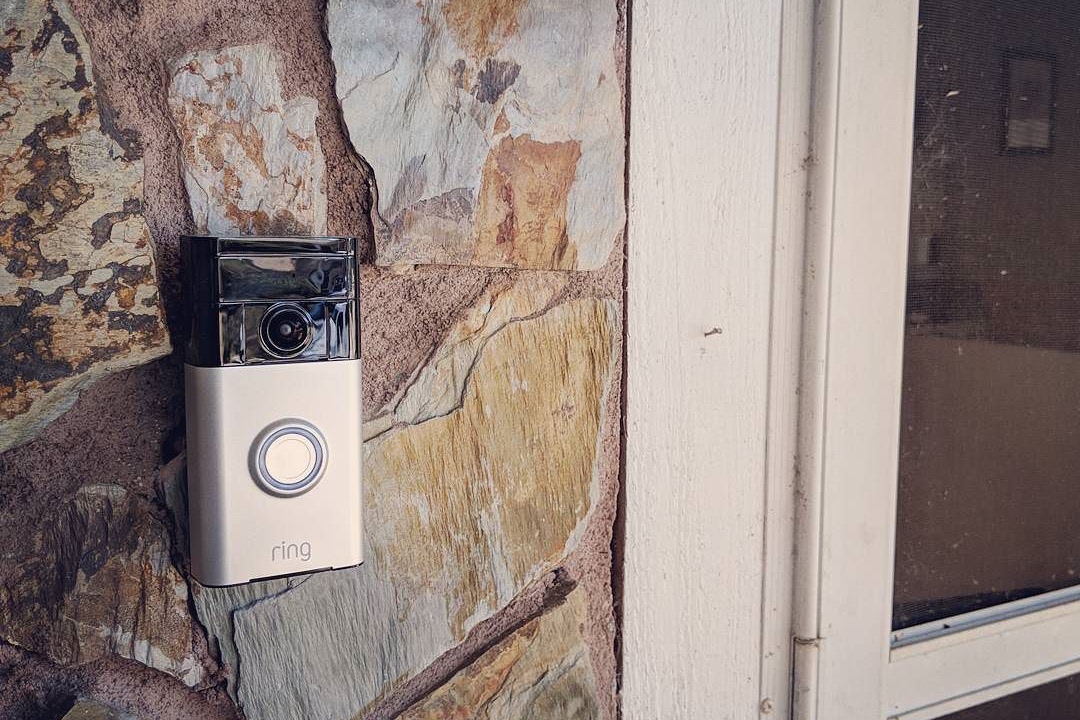
| Product | Price | Buy |
|---|---|---|
| Ring Battery Doorbell 2KBest Overall | $39.99 | View on Amazon |
| Blink Video Doorbell (2nd Generation)Budget Pick | $26.99 | View on Amazon |
| Ring Battery Doorbell 4K ProPremium Pick | $149.99 | View on Amazon |
| Google Nest Doorbell (Battery)Runner-Up | $159.99 | View on Amazon |
| eufy Security Video Doorbell E340Runner-Up | $119.99 | View on Amazon |
| Tapo 2K+ Wired or Battery Video Doorbell D225Runner-Up | $99.99 | View on Amazon |
| Arlo Video Doorbell 2K + Chime 2 (2nd Gen) | $53.19 | View on Amazon |
Porch piracy is now one of the most common property crimes in the US — roughly one in five American adults reports having a package stolen in any given year, and the problem spikes during every holiday delivery surge. As a licensed general contractor who has installed security hardware on hundreds of properties, I have watched video doorbells evolve from a novelty gadget into the single most impactful security upgrade most homeowners can make to their front door. In 2026, the category spans everything from sub-$40 battery doorbells with two-year battery life to premium radar-equipped models that can distinguish your neighbor’s car from a stranger’s approach using 3D spatial detection. The right doorbell for your front door depends on your wiring situation, your smart home ecosystem, and whether you are willing to pay a monthly subscription for video storage. This roundup covers the seven best video doorbells of 2026 across every use case, power type, and budget — so you can make the right call before you pick up a screwdriver.
If you are building out a complete home security system, a video doorbell is the starting point, but it covers only one angle. Our best outdoor security cameras guide covers the perimeter camera options that complement a front-door doorbell with side yard, garage, and rear entry coverage.
We evaluated each doorbell across six criteria: video quality in daylight and low light, installation difficulty for both hardwired and battery installs, total 3-year cost of ownership including subscription fees, motion detection accuracy, smart home compatibility, and cold-weather reliability. Read on for our full breakdown.
Find the Best Video Doorbell for Your Situation
Jump straight to the doorbell that matches how you’ll install and use it:
- The 7 best video doorbells overall — every pick reviewed in full
- Best video doorbell without a subscription
- Best wireless / battery-powered video doorbell
- Best wired (hardwired) video doorbell
- Best video doorbell for apartments & renters
How We Chose These Video Doorbells
We analyzed over 33,000 Amazon reviews across all seven doorbells, evaluated each model’s subscription terms and local storage options against a 5-year total cost of ownership model, and assessed installation requirements from a contractor’s perspective — specifically for homes with and without existing doorbell wiring. We weighted the subscription cost calculation heavily: a doorbell that costs less upfront but requires a paid subscription for basic video storage is often more expensive than it appears at purchase. We also specifically evaluated cold-weather battery performance, a gap we found in nearly every competitor article on this category.
The 7 Best Video Doorbells, Reviewed
These are the seven video doorbells that earned a spot in this guide, each reviewed in full below. The Ring Battery Doorbell 2K is the best overall for most homeowners, the Blink Video Doorbell is the budget pick, and the Ring Battery Doorbell 4K Pro is the upgrade. The use-case comparisons after the reviews then match specific situations — no subscription, battery vs. hardwired, and apartment installs — to the right doorbell from this same lineup.
Ring Battery Doorbell 2K

Ring Battery Doorbell 2K
by Ring
The #1 best-selling video doorbell combines dead-simple wireless install with reliable HD video and the industry's most trusted smart home ecosystem.
Pros
- 2K Retinal Head-to-Toe 150°x150° field of view captures packages at ground level and visitors top-to-bottom — the widest square frame in this roundup eliminates the cropped-feet problem of narrower doorbells, now with up to 6x enhanced zoom for reading detail at a distance
- Truly wireless 5-minute install — no existing doorbell wiring required, no transformer compatibility check, no chime wiring — mount, charge via USB-C, and pair to the Ring app
- Color night vision produces full-color footage after dark — you can identify clothing, vehicle color, and facial features at night without relying on black-and-white infrared
- Advanced motion detection with customizable zones and Alexa integration ties into the full Ring ecosystem — one motion event can trigger your indoor chime, Echo devices, and linked cameras simultaneously
Cons
- Ring Protect subscription ($5–10/month) required to save any video history — without it, you get live view and real-time alerts but no recorded footage to review after an event
- Battery drains faster in cold weather and stops charging below 32°F — plan for manual recharges every 1–3 months depending on traffic volume and climate
- Motion detection has a 2–3 second delay in battery mode — events triggered at the outer edge of the motion zone may miss the first frames of approach
The Ring Battery Doorbell 2K is the #1 best-selling video doorbell on Amazon for a reason that goes beyond brand recognition: it is genuinely the easiest doorbell to install in this roundup. There is no wiring check, no transformer compatibility test, no chime wiring to figure out. Mount the bracket with two screws, charge the internal battery via the included USB-C cable, download the Ring app, and you are live in under 10 minutes. For homeowners who have been putting off a doorbell upgrade because the wiring seemed complicated, this removes every barrier.
The 2K Retinal Head-to-Toe video format is the other standout feature for a front-door installation. Most older doorbells use a wide-horizontal aspect ratio that shows the full width of your porch but cuts off at the waist — meaning packages placed at your doorstep appear in the bottom few pixels or not at all. The Ring Battery Doorbell 2K’s 150°x150° square frame shows the full visitor from forehead to feet, and the packages they leave on your doorstep, in the same shot. That single change in aspect ratio is more practically useful than a resolution bump from 1080p to 4K for a camera positioned 4 feet from your front door.
The subscription question is the honest limitation. Without a Ring Protect plan, you get live view on demand and push notifications when motion occurs — but no stored footage. If you get a motion alert, glance at your phone two hours later, and tap it, you will see a live view of an empty porch and no recording of what triggered the alert. For buyers in very high-traffic front doors who would receive dozens of notifications per day, that means a subscription is effectively required for the doorbell to be useful. For buyers in lower-traffic locations who are disciplined about monitoring real-time alerts, subscription-free operation is workable. Factor the ongoing cost into your decision before purchasing.
Blink Video Doorbell (2nd Generation)

Blink Video Doorbell (2nd Generation)
by Blink
Two-year AA battery life, local USB storage support, and the lowest entry price here make the Blink the undisputed budget champion for Alexa households.
Pros
- Up to 2-year battery life on standard AA batteries — no USB-C charging cable, no removal from the mount, just swap AAs when the app notifies you
- Local storage via Sync Module 2 USB port eliminates subscription fees entirely — plug in a flash drive and all recorded events save locally with no monthly cost
- Lowest entry price in this roundup for a head-to-toe 1080p doorbell with full Alexa integration and Echo Show live view
- Deep Alexa ecosystem integration pushes live doorbell view to Echo Show displays automatically on motion — no manual app launch required
Cons
- Infrared-only night vision produces black-and-white footage after dark — you cannot identify clothing color or vehicle color in low-light recordings
- Person detection requires a Blink Subscription Plan — without it, all motion triggers alerts regardless of whether a person is present, increasing false alert volume
The Blink Video Doorbell earns its budget pick designation through a combination that no competitor matches at this price: up to 2-year battery life on standard AA batteries and local storage support with zero monthly subscription required. At its entry-level price, this is the correct starting point for any homeowner who wants a functional video doorbell without committing to an ongoing subscription.
The AA battery design deserves specific attention because it changes the maintenance dynamic significantly. Every other battery doorbell in this roundup uses a proprietary rechargeable battery that you remove from the doorbell, connect to a USB-C cable, and charge for several hours. The Blink uses standard AA lithium batteries — the same ones you already have in remotes and flashlights. When the app notifies you that batteries are low, you open the doorbell cover, swap in two AAs, and close it. No charging time, no bringing the doorbell inside, no scheduling around a 4-hour charge window.
The local storage option is what separates the Blink from other budget doorbells. Pair it with a Blink Sync Module 2 (sold separately) and plug a USB flash drive into the Sync Module — all motion events save locally on that drive with no cloud subscription required. That combination adds the Sync Module and a flash drive to the upfront cost but eliminates the recurring subscription fee permanently. For buyers who find the Ring subscription model unappealing, this is the best-structured subscription-free option here even after the Sync Module. For other high-value DIY projects where upfront cost efficiency matters most, see our best electric pressure washers for the same value-first approach applied to outdoor cleaning equipment.
Ring Battery Doorbell 4K Pro

Ring Battery Doorbell 4K Pro
by Ring
Ring's 4K Pro earns its premium with radar 3D Motion Detection, a Retinal 4K sensor, and dual-band Wi-Fi that together cut false alerts and recover detail at distance.
Pros
- Radar-powered 3D Motion Detection pinpoints the distance and velocity of a detected subject rather than reading heat crossing a plane — dramatically reduces false alerts from passing cars, blowing branches, and sidewalk traffic outside your property
- Retinal 4K sensor with up to 10x Enhanced Zoom is the highest resolution in this roundup — you can crop into a licence plate at the kerb or a face at the gate and still read detail
- Quick Release Ultra Battery Pack slides out from the front without unmounting the doorbell, and is the fastest-charging battery Ring has shipped — swap and reinsert in under a minute
- Dual-band 2.4/5 GHz Wi-Fi improves connection reliability on congested networks and reduces live-view latency compared to 2.4 GHz-only competitors
Cons
- Ring Protect subscription still required for video history storage — the premium hardware investment is only fully utilized alongside an ongoing subscription cost
- Most expensive doorbell in this roundup by a wide margin, and the 4K sensor's value is limited at typical doorbell range where a 2K frame already resolves faces and packages
The Ring Battery Doorbell 4K Pro is the upgrade pick for one reason that makes the premium price defensible: 3D Motion Detection. Standard motion detection in every other doorbell in this roundup is PIR-based — it detects heat signatures crossing the sensor field. It fires when a car drives past your house. It fires when a large tree branch blows in the wind. It fires when your neighbor walks their dog on the sidewalk visible from your porch. On a busy street in a dense neighborhood, that produces 30–50 false alerts per day — alert fatigue that makes users disable motion notifications entirely.
The 4K Pro uses a radar sensor to measure distance and velocity in three dimensions, not just heat signatures crossing a plane. Because the doorbell knows how far away a moving object is, you can bound the alert zone to your actual property line — your front walkway, your porch, your driveway up to the sidewalk. Movement beyond that boundary does not trigger anything. A car on the street does not qualify. A pedestrian on the public sidewalk does not qualify. Your mail carrier walking from the gate to the door and back triggers exactly one alert. For buyers in urban or suburban environments with high ambient pedestrian and vehicle traffic, the reduction in false alerts alone justifies the upgrade cost.
Resolution is the second reason to step up, and it is the change from the outgoing Pro model. The Retinal 4K sensor with up to 10x Enhanced Zoom is the sharpest camera in this roundup by a clear margin. At a doorbell’s normal working distance of a few feet, 4K is overkill for seeing who is at the door. Where it earns its keep is everything past the porch: cropping into a vehicle at the kerb, a face at the gate, or a figure at the end of the driveway and still having pixels left to identify with. If your reason for buying a doorbell is documentation rather than convenience, that is the feature to pay for.
The Quick Release Ultra Battery Pack is the other practical upgrade worth calling out. On the standard Ring Battery Doorbell, removing the battery requires unmounting the doorbell from the wall bracket. On the 4K Pro, the pack slides out from the front while the unit stays mounted — you pull the battery, walk inside to charge it, and reinsert it in under a minute without touching a screwdriver. It is also the fastest-charging pack Ring has shipped, which shortens the window your door is uncovered. Over a multi-year installation with quarterly recharges, the cumulative time saving adds up.
Google Nest Doorbell (Battery)

Google Nest Doorbell (Battery)
by Google
Top pick for Google Home households with subscription-free AI detection of people, packages, and animals built into the base product.
Pros
- Subscription-free AI detection distinguishes people, packages, animals, and vehicles without any paid plan — the most capable free-tier detection in this roundup
- Stores up to 1 hour of event history locally when Wi-Fi goes down — footage is not lost during outages, a gap that pure cloud-only doorbells cannot address
- Compatible with both Google Home and Alexa simultaneously — works across mixed smart home ecosystems without forcing an either-or platform commitment
- Premium industrial design integrates flush with most trim styles and siding finishes — consistently cited in reviews as the best-looking doorbell in this category
Cons
- Cannot record 24/7 continuous video even with a paid Nest Aware subscription — event-based recording only, which means activity between motion triggers is not captured
- 1080p HDR resolution at this price point is below the 2K available from Ring and eufy competitors at similar or lower cost
The Google Nest Doorbell is the correct choice for any household already invested in the Google Home ecosystem, and it brings one feature to the table that no Ring product offers without a subscription: free AI detection of people, packages, animals, and vehicles built into the base product. Every other doorbell in this roundup charges a monthly fee to distinguish a person from a passing car. The Nest Doorbell does it for free, out of the box, from day one.
The practical impact of free multi-category detection is that the Nest Doorbell is configured correctly the moment you install it — you do not need to make a subscription decision before you get useful motion filtering. Ring doorbells in their out-of-the-box subscription-free state send you motion alerts for every heat signature in the frame including vehicles and animals. Nest doorbells send you person alerts, package alerts, and animal alerts by default, allowing you to configure exactly which categories trigger notifications without opening your wallet.
The honest limitation is resolution. At 1080p HDR, the Nest Doorbell produces excellent video quality at close range, but competing doorbells at similar or lower cost offer 1440p or 2K. HDR improves dynamic range in high-contrast lighting situations — a sun-lit porch with a shaded doorway, for example — and that is a real benefit for a front-door installation. But buyers who want the sharpest possible zoom capability for identifying a visitor at a distance will find the Ring Battery Doorbell 2K and the 2K eufy E340 deliver more usable detail when you crop into recorded footage.
eufy Security Video Doorbell E340

eufy Security Video Doorbell E340
by eufy Security
Built-in 8GB storage and dual-camera design make the E340 the best subscription-free doorbell for homeowners concerned about package theft.
Pros
- Zero subscription fees — 8GB built-in eMMC storage saves all events locally at no ongoing cost, eliminating $60–$120 per year in cloud subscription charges
- Dual cameras capture faces at eye level and packages at ground level simultaneously in the same recording event — no choosing between a face shot and a package view
- Color night vision with dual-light spotlight produces vivid after-dark footage with identifiable clothing and vehicle color — both cameras operate in color at night
- Works wired or wireless with the same quick-release battery system as Ring Pro — flexibility to install without existing wiring or hardwire for continuous power
Cons
- eufy app experience is less refined than Ring or Google Home — settings are harder to find and the interface requires more navigation to access routine features
- Dual cameras consume battery faster than single-camera models — in high-traffic front entries, expect shorter intervals between recharges than the rated battery life
The eufy Security Video Doorbell E340 is built around the most specific use case in this roundup: package theft prevention. The dual-camera design — one lens positioned for face-level footage, a second downward-angled lens for ground-level package capture — is a direct engineering response to the practical problem with every single-lens doorbell. A standard doorbell positioned at 48 inches off the ground captures a visitor’s face clearly at close range but frames packages as a small object at the bottom of the shot. When a thief reaches down to grab a box, the single-lens frame typically shows hands, a torso, and not much else. The E340’s downward lens captures the package and the hands retrieving it at a usable angle.
The subscription-free 8GB built-in eMMC storage is the other headline feature, and the math is worth running explicitly. If you install a Ring Battery Doorbell and subscribe to Ring Protect Basic, you will pay roughly $240 in subscription fees over four years on top of the hardware cost. The E340 costs more upfront but eliminates that ongoing expense entirely — all events save locally to built-in storage, no monthly fee, no credit card required. For owners who plan to keep the same doorbell for more than two years, the eufy E340’s total cost of ownership is lower than any subscription-dependent option in this roundup.
Color night vision on both lenses is a feature that matters specifically for package theft scenarios. Porch pirates work primarily after dark. IR-only footage tells you someone reached down and took a box. Color footage tells you they were wearing a red jacket, left in a dark blue sedan, and had a visible tattoo on their left arm — the kind of detail that makes a police report actionable. The E340 delivers color night vision from both cameras, which makes it the strongest documentation tool in this roundup for after-hours theft incidents.
Tapo 2K+ Wired or Battery Video Doorbell D225

Tapo 2K+ Wired or Battery Video Doorbell D225
by TP-Link (Tapo)
A true dual-mode doorbell that runs fully hardwired for 24/7 recording, with 2K+ clarity, a 180° view, and subscription-free local storage — the best wired, no-subscription pick in this roundup.
Pros
- True hardwired installation via existing 8–24V doorbell wiring enables uninterrupted 24/7 continuous recording — no battery to remove and recharge, unlike every battery-first pick in this roundup
- Sharp 2K+ QHD (4MP) resolution with a 180° head-to-toe field of view eliminates the low-angle package blind spot common on Ring and Nest doorbells
- Free on-device AI person, package, and vehicle detection plus full-color night vision with a built-in spotlight — no subscription required for the core features
- Flexible subscription-free storage: local microSD up to 512GB at no monthly cost, with optional Tapo Care cloud and Alexa and Google Assistant support
Cons
- 2.4 GHz Wi-Fi only — no 5 GHz support, which can complicate setup on mesh routers that do not broadcast a separate 2.4 GHz network name
- App polish and notification reliability trail Ring and Nest — a minority of reviews flag occasional alert delays typical of budget smart-doorbell ecosystems
- Included chime is indoor-only, and run on battery instead of hardwired it needs recharging roughly every several months
The Tapo D225 is the correct answer for homeowners who want a true hardwired doorbell with local storage and no subscription — and it is also the pick CNET named as its best no-subscription doorbell in its 2026 roundup. The value proposition is straightforward: 2K+ QHD resolution, a 180° head-to-toe field of view, subscription-free microSD storage up to 512GB, and free on-device person, package, and vehicle detection. Wire it into the existing doorbell transformer for continuous power, or run it on the built-in battery if you have no wiring — it is the only genuinely dual-mode pick in this roundup.
The 180° head-to-toe field of view is the widest in this roundup and meaningfully different from the 150° options on Ring and Blink. From a corner mounting position, a 180° frame covers the full porch width, both sides of the entryway, and the walkway approach at shallow angles that a 150° lens clips. Combined with 2K+ (4MP) resolution, that means a package left at the doorstep and the face of whoever picks it up are both captured in the same sharp frame — the low-angle blind spot that plagues narrower Ring and Nest doorbells is gone.
The hardwired power option enables the one feature battery-first doorbells cannot reliably offer: 24/7 continuous recording. Every battery doorbell in this roundup records event-based clips — they wake up when motion triggers the sensor and record until motion stops. The Tapo D225 running on permanent hardwired power records continuously to the local microSD card, creating a timestamped record of everything within the frame regardless of whether it tripped a motion event, all with no monthly fee. The trade-offs are honest: it is 2.4 GHz Wi-Fi only, and the Tapo app is less polished than Ring or Nest — but for a wired, subscription-free doorbell, nothing else on this list matches it.
Arlo Video Doorbell 2K + Chime 2 (2nd Gen)

Arlo Video Doorbell 2K + Chime 2 (2nd Gen)
by Arlo
The only doorbell here that pairs 2K resolution and a 180° field of view with an integrated siren, with the Chime 2 bundled in the box.
Pros
- 2K resolution and 180° head-to-toe FOV at a mid-range price is a strong specs-per-dollar combination, with a wider angle than Ring's standard doorbell for less money
- Integrated 85 dB siren deters porch pirates and package thieves actively — triggers manually from the app or automatically on motion, an active deterrent layer beyond passive recording
- Works wired or wireless with no hub required — direct Wi-Fi connection simplifies installation for battery installs and eliminates a separate device from the ecosystem
- Chime 2 included in the box — no separate chime purchase needed, and the Chime 2 connects to Wi-Fi independently so it rings even when the doorbell is out of earshot
Cons
- Arlo Secure subscription is the priciest in this roundup — advanced detection and full video history require a paid plan that costs more per month than Ring Protect or Nest Aware
- No local storage option at all — all recordings go to Arlo's cloud, which means subscription dependency for any stored footage access
The Arlo Video Doorbell 2K + Chime 2 is the doorbell for buyers who want 2K resolution and a 180° field of view and are willing to accept Arlo’s cloud-dependent storage model in exchange. The Chime 2 ships in the box, so there is no second purchase to get an indoor ring, and it is the only doorbell in this roundup that pairs a 2K sensor and a 180° frame with a built-in siren.
The integrated 85 dB siren is a feature none of the other doorbells in this roundup offer. Ring and Nest doorbells record and alert. The Arlo rings an audible alarm at 85 dB — louder than most residential smoke detectors — when you trigger it manually from the app or configure it to fire on motion. For buyers whose primary concern is active deterrence rather than documentation, a siren in the doorbell changes the threat model: a would-be package thief who hears an alarm and sees a camera is deterred in a way that a silent recording device is not. The integration mirrors what I covered in our best outdoor security cameras with the Ring Floodlight Cam — active response hardware is more effective deterrence than passive recording.
The storage limitation deserves a clear-eyed assessment. The Arlo relies entirely on cloud storage — there is no local storage option, no microSD slot, no Sync Module equivalent. Without an Arlo Secure subscription, you get live view and three days of free event clips. Arlo Secure plans start around $3/month per device. That is reasonable for one device but adds up on a multi-camera system. For buyers committed to subscription-free storage, the eufy E340 or Tapo D225 are the right alternatives. For buyers who accept cloud storage as a reasonable ongoing expense in exchange for 2K video, a 180° frame, a bundled chime, and a siren in one box, the Arlo delivers.
Best Video Doorbell Without a Subscription
The most common request I hear is a doorbell that stores video without a monthly fee. All three of these save footage locally at no ongoing cost — the eufy E340 to built-in storage, the Tapo D225 to a microSD card, and the Blink to a USB drive via its Sync Module.
| Product | Price | Buy |
|---|---|---|
| eufy Security Video Doorbell E340Best no-fee overall 8GB built-in storage plus dual cameras for package capture — zero fees and the strongest theft-documentation tool here | $119.99 | View on Amazon |
| Tapo 2K+ Wired or Battery Video Doorbell D225Best wired no-fee CNET's pick for best no-subscription doorbell: 2K+ local microSD recording and free on-device AI detection | $99.99 | View on Amazon |
| Blink Video Doorbell (2nd Generation)Cheapest no-fee Pair with a Sync Module 2 and a USB drive to store events locally for no monthly cost at the lowest entry price | $26.99 | View on Amazon |
Best Wireless / Battery-Powered Video Doorbell
No existing doorbell wiring? These three install with two screws and run entirely on rechargeable batteries — no transformer, no electrician, no drilling into the door frame.
| Product | Price | Buy |
|---|---|---|
| Ring Battery Doorbell 2KEasiest wireless install The category's most established name: 5-minute USB-C battery install, color night vision, and 2K Retinal Head-to-Toe video with 6x zoom | $39.99 | View on Amazon |
| Ring Battery Doorbell 4K ProFewest false alerts Radar-based 3D Motion and Bird's Eye Zones cut the false alerts that plague battery doorbells on busy streets | $149.99 | View on Amazon |
| Google Nest Doorbell (Battery)Free AI detection Free people/package/animal/vehicle detection with no subscription — the best battery pick for Google Home homes | $159.99 | View on Amazon |
Best Wired (Hardwired) Video Doorbell
If you have an existing 8–24V doorbell transformer, hardwiring gives you continuous power and 24/7 recording with no batteries to recharge. These three run off existing doorbell wiring.
| Product | Price | Buy |
|---|---|---|
| Tapo 2K+ Wired or Battery Video Doorbell D225Best wired, no fee True hardwired 24/7 recording to local microSD with free AI detection and no subscription — the best wired value here with no monthly fee | $99.99 | View on Amazon |
| eufy Security Video Doorbell E340Wired + package cam Runs wired with a second downward lens dedicated to catching packages and porch activity at ground level | $119.99 | View on Amazon |
| Arlo Video Doorbell 2K + Chime 2 (2nd Gen)Wired + built-in siren Hardwired option with a built-in 85 dB siren for active deterrence, though stored footage needs an Arlo Secure plan | $53.19 | View on Amazon |
Best Video Doorbell for Apartments & Renters
Renters need minimal wall penetration and no permanent wiring. These battery models mount with two small screws (or the included wedge) and come off cleanly at move-out — check your lease first.
| Product | Price | Buy |
|---|---|---|
| Ring Battery Doorbell 2KBest renter overall Two screws and an angled wedge mount it at the right viewing angle with no drilling into the door frame — spackle over on move-out | $39.99 | View on Amazon |
| Blink Video Doorbell (2nd Generation)Cheapest & longest battery Up to 2-year AA battery life means you can mount it and forget it for the length of most leases, at the lowest price here | $26.99 | View on Amazon |
| eufy Security Video Doorbell E340No-fee for renters Local no-fee storage and a quick-release battery — nothing to hardwire and no subscription to cancel when you move | $119.99 | View on Amazon |
How to Choose the Best Video Doorbell
Buyer's Guide
I have been installing and replacing doorbells on residential and commercial properties for over 15 years as a licensed general contractor. Here are the six factors that determine which video doorbell is right for your front door.
Power Source
The power source determines installation complexity more than any other factor. Homes with existing doorbell wiring (an 8–24V AC transformer feeding the current button) can install any doorbell in this roundup — wired models run continuously, battery models can use the existing wire to trickle-charge. Homes without existing doorbell wiring are limited to battery-powered models. Before purchasing, locate your existing doorbell chime box (usually in a hallway closet or utility room) and check for a transformer — if there is one, you have wiring. If there is no existing doorbell at all, plan for a battery model unless you are willing to run low-voltage wiring from a transformer to the door.
Video Resolution and Field of View
Resolution determines how useful your footage is when you actually need it. At 1080p, faces are identifiable at close range (under 10 feet) but degrade when zoomed in for detail. At 1440p or 2K, you have reliable identification at typical residential distances. The field of view matters as much as resolution for doorbells specifically — a narrow 90° FOV misses the sides of your porch and the walkway approach. Head-to-toe vertical coverage (150° vertical or taller aspect ratio) captures the full visitor including packages on the ground. For most front doors, a 1440p or higher resolution with 150°+ FOV is the practical minimum for useful footage.
Subscription Costs and Storage Options
This is the most underestimated purchase factor in video doorbells. Ring and Nest doorbells provide live view without a subscription but store no video history — which means if you miss the notification, there is nothing to review. Ring Protect Basic costs roughly $50 per year per doorbell; Nest Aware starts at $60 per year. Over five years, that is $250–$300 in storage costs on top of the hardware price. The eufy E340 and Tapo D225 in this roundup store footage locally at no ongoing cost. Before purchasing, decide whether you can reliably monitor real-time notifications or whether you need stored footage for review — that decision determines whether subscription-dependent cloud storage is acceptable.
AI Detection Features
All doorbells in this roundup detect motion. The quality difference is what they do with it. Basic motion detection alerts you to any movement in the frame — passing cars, blowing leaves, neighbors walking by. Person detection filters alerts to human subjects only, dramatically reducing false notification volume. Package detection, animal detection, and vehicle detection further refine what triggers a notification and what gets ignored. The Google Nest Doorbell provides all four detection types free with no subscription. Ring doorbells require a Protect subscription for person detection. Blink requires a subscription plan for person detection. If false alert fatigue is a concern — and it is, based on every survey of smart home users — prioritize doorbells with free person detection.
Smart Home Compatibility
If you already have Alexa devices — Echo Show, Echo Dot, Fire TV — the Ring and Blink ecosystems provide the deepest integration: live video pushes to Echo Show on a ring or motion event without opening an app. If you are in the Google Home ecosystem, the Nest Doorbell is the only native option. For mixed households or platform-agnostic buyers, the Arlo and eufy models work with both Alexa and Google Home. Apple HomeKit compatibility is limited in this roundup — the eufy E340 supports HomeKit via HomeBase hub. Verify compatibility with your specific display devices before purchasing, since the value of smart home integration depends on having the right display hardware to receive the video feed.
Night Vision Quality
Most doorbells in this roundup use infrared night vision, which produces black-and-white footage in low light. IR is reliable and works in complete darkness, but you lose all color information — you cannot identify clothing color, vehicle color, or other visual details that color footage preserves. Color night vision uses a combination of a low-light sensor and a white-light spotlight emitter to produce natural-color footage at night. The Ring Battery Doorbell 2K, Ring Battery Doorbell 4K Pro, and eufy E340 all include color night vision. For front-door security where identifying a visitor's appearance at night matters — and it almost always does — color night vision is a meaningful upgrade over IR that is worth the additional cost.
The wiring check should happen before you order, not after the doorbell arrives. Remove your existing doorbell button from the wall — typically two small screws hold the cover plate. Look for two low-voltage wires attached to screw terminals on the back. If those wires are present and connected, you have doorbell wiring and can install any doorbell in this roundup. If there are no wires, or if the wires are loose and unconnected (the previous owner may have used a wireless chime), you are limited to battery-powered models or you need to add a transformer — a straightforward but separate project. Do not skip this step. A wired doorbell installed without a functional transformer will either fail to ring the indoor chime or drain its battery at an accelerated rate attempting to draw power from a dead wire.
Calculate the 3-year total cost before you commit. Ring Protect Basic is roughly $50 per year per doorbell. Over three years that is $150 in subscription fees on top of the hardware cost. Over five years it is $250. Multiply by the number of Ring devices on your account and the number compounds fast. On a two-doorbell household with Ring cameras, Ring Protect Plus at $100 per year covers everything — better value than per-device plans. For no-subscription operation, the eufy E340 and Tapo D225 are the right picks. The Blink with a Sync Module adds a one-time hardware cost upfront but eliminates ongoing fees. Run the math for your expected ownership period before committing to a platform.
Cold-weather battery performance is underreported and genuinely important in northern climates. Lithium batteries lose 20–40% of their capacity at temperatures below 32°F — which means a doorbell rated for 6-month battery life in California may deliver 3 months between charges in Minnesota or Vermont. Below 32°F, USB-C charging stops entirely on Ring batteries — the charging circuit disengages to prevent cell damage. That means if you leave a Ring battery doorbell fully depleted in January, you cannot recharge it in place; you have to bring the battery inside to a warm location to charge before reinstalling. Plan for this in northern climates: charge the battery fully before first frost, and budget for monthly winter check-ins on battery level.
For a complete home exterior security setup, pair your new doorbell with perimeter cameras covering the areas outside the front-door frame. Our best outdoor security cameras guide covers the full range of options from battery to PoE to solar, with the same contractor-level installation assessment applied to each model.
Final Verdict
The Ring Battery Doorbell 2K is the best video doorbell for most homeowners in 2026 — not because it has the highest resolution or the lowest total cost, but because it removes every installation barrier and comes from the most established name in the category with the deepest ecosystem. Wireless battery install, color night vision, 2K Retinal Head-to-Toe video with 6x zoom, and full Ring ecosystem compatibility make it the correct default choice for the majority of front-door installations. Accept the subscription cost as part of the ownership model or use it subscription-free with real-time notification monitoring.
For budget buyers, the Blink Video Doorbell is the practical alternative at a fraction of the price — two-year AA battery life, local storage via Sync Module for zero ongoing fees, and deep Alexa integration at the lowest entry point in this roundup. For buyers in high-traffic urban environments who are losing their minds over false alerts, the Ring Battery Doorbell 4K Pro’s radar 3D Motion Detection addresses that problem at the hardware level — it is the right upgrade for anyone whose standard motion-detection doorbell is crying wolf 30 times a day, and its Retinal 4K sensor is the one camera here that still resolves detail well past the porch. And for homeowners who want zero subscription exposure and a specific solution to package theft, the eufy Security Video Doorbell E340 delivers built-in storage, dual cameras, and color night vision at a total cost of ownership that beats every subscription-dependent option on any horizon longer than 18 months.
Frequently Asked Questions
What is the best video doorbell without a monthly subscription?
Do video doorbells record 24/7 or only when motion is detected?
Can I install a video doorbell in a rental apartment?
How long do battery-powered video doorbell batteries last between charges?
Do video doorbells work with both Alexa and Google Home?
Related Articles
About the Reviewer

Jake Morrison, Licensed General Contractor
B.S. Construction Management, Purdue University
Jake Morrison has spent 14 years in residential construction and home renovation before founding DIYRated in 2026. After helping hundreds of homeowners choose the right tools and materials for their projects, he started writing the product guides he wished existed when he was starting out. Jake tests every major product recommendation in his workshop in Indianapolis and focuses on real-world performance over spec-sheet marketing.