Corded vs Cordless Circular Saws: Which Type Do You Actually Need?
Corded vs cordless circular saws compared on power, runtime, portability, safety, and total cost. Licensed GC Jake Morrison breaks down the real tradeoffs after 15+ years running both on jobsites.
Updated
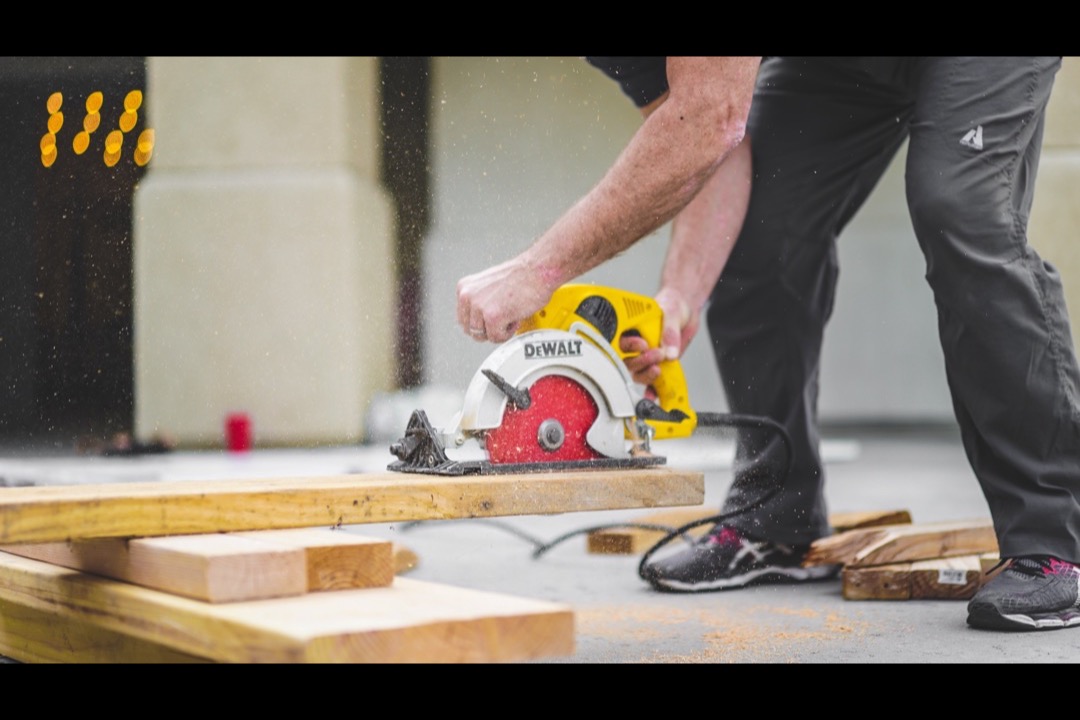
I have been running circular saws on jobsites since a 13-amp corded Skilsaw was the default, the first 18V cordless models were barely capable of cutting a 2x4 in one pass, and worm-drive cordless was a thing that did not yet exist. Over fifteen years of framing, remodeling, deck building, and enough roof work to know why the cord on a corded saw is not just inconvenient — it is a legitimate safety issue.
The corded vs cordless circular saw decision has changed more in the last five years than in the previous twenty. Modern brushless cordless saws can match or beat old brushed corded models for most work. Battery technology has climbed the voltage ladder from 18V to 60V FLEXVOLT and Milwaukee’s M18 FUEL rear-handle. The power gap is narrower than it has ever been — but it still exists, and knowing where the gap matters is the difference between a tool you love and one that sits in the truck charging while you wait.
This guide covers the full comparison the way I would explain it to someone walking into my shop — real power math, real cost of ownership, the worm-drive cordless category that most comparison articles completely ignore, and the jobsite scenarios where each type earns its keep. If you already know which type you want and just need model recommendations, check our best cordless drills for platform guidance since that decision drives most of your future cordless purchases. For cutting work beyond handheld circular saws, our best miter saws and best table saws guides cover the stationary side of the workshop.
Corded vs Cordless Circular Saws at a Glance
Here is how the two categories compare on the specs and use factors that actually matter:
| Feature | Corded Circular Saw | Cordless Circular Saw |
|---|---|---|
| Power source | 120V outlet, 13-15 amps | 18V / 20V MAX / 40V / 60V battery |
| Sustained power output | Unlimited | Limited by battery Wh capacity |
| Typical blade diameter | 7-1/4” standard | 6-1/2” common, 7-1/4” on flagship |
| Weight (saw only) | 8.5 - 11 lbs | 7 - 10 lbs (without battery) |
| Weight with battery | N/A | 9 - 13 lbs with 5.0Ah pack |
| Starting cost | $80 - $250 | $150 - $400 (tool only), $250+ kit |
| Cord hazard on ladders/roofs | Yes | None |
| All-day runtime | Unlimited | Requires 3-6 battery swaps per day |
| Cold weather performance | No impact | 20-30% capacity loss below 40°F |
| Noise level | 100 - 106 dB | 95 - 102 dB |
| Typical lifespan | 10-15 years, brushes replaceable | 5-10 years + ongoing battery costs |
| Best fit | Cut station, shop, production corded worm-drive | Remodeling, roofing, remote work, DIY |
Those numbers tell part of the story. The rest is about where, when, and how often you cut — which is where this guide goes next.
How Each Type Actually Delivers Power
The spec sheet tells you amps or volts. What it does not tell you is how that translates to the saw’s behavior under load — which is the only thing that matters when you are three cuts into a board that should have taken one.
Corded Saws: Unlimited Sustained Output
A 15-amp corded circular saw can pull roughly 1,800 watts continuously at 120 volts. That number does not change whether you have been cutting for 30 seconds or three hours. Voltage stays at 120V (minus some drop through the extension cord), current stays available from the house panel, and the motor’s peak output is always on tap.
This is the fundamental reason corded still wins for heavy, sustained cutting. Ripping pressure-treated lumber, cutting wet framing material, slicing LVL or engineered lumber, plowing through 2x12 joists for an hour straight — corded saws do not sag, do not need a break, and do not require battery swaps. If your cutting volume looks like this on a regular basis, corded remains the right tool.
The catch with corded is voltage drop through extension cords. A 100-foot 16-gauge extension cord can drop enough voltage under load to reduce saw power by 15 to 20 percent and cause overheating on long cuts. If you run extension cords, use 12-gauge minimum for cords up to 50 feet, and 10-gauge for cords beyond that. Most saw manufacturer warranties specifically void coverage for damage caused by undersized cords — and for good reason, because thin cords are the number-one cause of burned-out corded saw motors I have seen on jobsites.
Cordless Saws: Peak Power Limited by Battery Energy
A 20V MAX battery runs at 18 volts nominal under load. A 5.0Ah battery stores roughly 90 watt-hours of total energy. At peak saw load (around 900 to 1,200 watts for a brushless 7-1/4” cordless saw), that 90 Wh supports 4 to 6 minutes of continuous hard cutting. In real-world use — where cuts last a few seconds each and the trigger is released between cuts — a 5.0Ah battery delivers 40 to 80 full-depth 2x4 cuts or 200 to 400 plywood crosscuts.
The power picture changes dramatically at higher voltages. DeWalt’s FLEXVOLT 60V platform switches internal cell topology to deliver 54V under load. Milwaukee’s M18 FUEL rear-handle circular saw, while nominally 18V, uses high-output cells and advanced motor electronics to produce sustained power that rivals a corded worm-drive. These high-end cordless options have closed most of the remaining power gap for professional work.
The practical limit of cordless is not peak power anymore — it is battery energy capacity. A cordless saw can hit hard for a short time, but cannot match corded’s unlimited sustained output without battery swaps. Whether that matters depends entirely on your cut volume.
The Watt-Hour Math Every Buyer Should Know
Most comparison articles talk about volts and amp-hours without explaining what they actually mean. Watt-hours (Wh = V × Ah) is the number that tells you how much work a battery can do. Here is a quick reference for common cordless platforms:
| Battery | Voltage (nominal) | Capacity | Total Energy |
|---|---|---|---|
| DeWalt 20V MAX 5.0Ah | 18V | 5.0 Ah | 90 Wh |
| DeWalt FLEXVOLT 9.0Ah | 18V (54V peak) | 9.0 Ah | 162 Wh |
| Milwaukee M18 HD12.0 | 18V | 12.0 Ah | 216 Wh |
| Milwaukee M18 FORGE 12.0 | 18V | 12.0 Ah | 216 Wh |
| Makita 40V XGT 4.0Ah | 36V | 4.0 Ah | 144 Wh |
| Makita 40V XGT 8.0Ah | 36V | 8.0 Ah | 288 Wh |
| Ryobi ONE+ HP 6.0Ah | 18V | 6.0 Ah | 108 Wh |
For context, a 15-amp corded saw pulls up to 1,800 watts continuously. At that draw rate, even the biggest battery in the table (Makita 40V XGT 8.0Ah at 288 Wh) only delivers 9 to 10 minutes of absolute peak-load cutting before fully discharging. This is why no cordless saw can truly match corded for sustained production framing — the energy just is not in the battery. What cordless can match is real-world cutting patterns, where the trigger is released between cuts and the saw rarely runs at peak draw for more than a few seconds.
The Worm-Drive Cordless Category (That Nobody Talks About)
This is the single biggest gap I see in online comparison articles. Two cordless saws have fundamentally changed the corded vs cordless conversation for framing work, and they deserve their own category:
DeWalt DCS577 FLEXVOLT 60V Rear-Handle Worm-Drive — this saw uses a true worm-drive gearing arrangement with the blade on the left side, the same layout that has defined Skilsaw-style framing for 70 years. The 60V FLEXVOLT platform delivers sustained power that rivals a plug-in Skil 77 for most work, with no cord to manage. For rough framing on upper floors, roof work, and anywhere running a corded cord is a logistical pain, this saw has quietly become the default choice for working framing crews.
Milwaukee 2830-20 M18 FUEL Rear-Handle Circular Saw — same concept on the Milwaukee platform. M18 FUEL high-output cells combined with Milwaukee’s POWERSTATE brushless motor and REDLINK Plus intelligence deliver worm-drive-caliber performance on the familiar 18V battery system. If you already have M18 batteries for other tools, this is the way to get serious framing performance without jumping platforms.
Neither of these is cheap. A cordless worm-drive saw with one or two batteries will cost more than a corded Skilsaw 77 plus a hundred feet of good extension cord. But for contractors working above ground, on unfamiliar sites, or on jobs where running a cord is a safety problem, the cost difference is justified within a few jobs by reduced setup time and eliminated cord-management friction.
If you are a production framer working off of a fixed cut station near a generator, the corded worm-drive still wins on absolute power-per-dollar. If you are a mixed-use contractor moving between locations, upper floors, and varied jobsite layouts, the cordless worm-drive is the better tool. For power on remote sites, pair the cordless worm-drive with one of the generators from our best portable generators guide — running a charger off a generator gives you all-day battery rotation with less total noise and exhaust than running a full-size corded saw directly off the genset.
Total Cost of Ownership Over Five Years
The sticker price is the easiest number to see and the worst one to make a decision on. Here is what the five-year picture actually looks like:
Corded Saw Economics
A quality corded sidewinder runs $80 to $180 depending on brand and features. A corded worm-drive runs $180 to $250. Ongoing costs are minimal — replacement brushes run $15 to $25 every few years of heavy use, blade replacement is the same cost for either type, and most corded saws survive a decade or more with basic care.
The hidden cost of corded is extension cords. A 50-foot 12-gauge outdoor-rated cord costs $40 to $80 and is essentially a permanent jobsite accessory. Cord failures, UV damage, and theft all add to replacement costs over time. Add one to two extension cord replacements over five years to the corded total.
Estimated five-year corded cost (moderate use): $100 to $300 total including one cord replacement and one set of brushes.
Cordless Saw Economics
A bare-tool cordless circular saw runs $150 to $300. A kit with one battery and charger runs $250 to $400. Replacement batteries are the ongoing cost — plan on one battery replacement every 500 to 800 charge cycles under moderate use, or every 300 to 500 cycles under heavy daily use. A 5.0Ah major-brand battery costs $90 to $130 at retail.
For a DIY user running the saw occasionally — a few projects a year — batteries may last 5 to 7 years with no replacement needed. For a contractor running the saw daily, plan on replacing 2 to 3 batteries per saw over a five-year period. If you are starting a platform from scratch, the initial investment in a kit (saw, two batteries, charger) runs $350 to $550 depending on brand and capacity.
Estimated five-year cordless cost (moderate use): $350 to $700 including initial kit plus battery replacements.
The math shifts if you already own the battery platform. Adding a bare-tool circular saw to an existing platform is $150 to $300 with no battery investment — much closer to corded economics on day one, and with all the practical advantages of cordless use.
When Corded Still Wins
There are specific scenarios where corded remains the clear choice, and being honest about them matters:
- Dedicated cut station work where the saw stays in one spot and has a steady outlet within range. A corded saw at a station never needs a battery swap.
- Production framing on one site with ready power. When cutting volume is high and a generator or trailer provides consistent power, corded throughput beats cordless without exception.
- Heavy remodeling with LVL, engineered lumber, wet treated material, or sustained rip cuts where peak sustained output matters more than portability.
- Budget-constrained first saw purchases where you are not invested in any cordless platform and need a reliable tool for under $150. A corded sidewinder at that price is a better tool than a cordless saw at the same price.
- Year-round cold-weather exterior work where battery capacity loss at 20-40°F adds significant logistical overhead. Corded is unaffected by temperature.
- Demo and rough work that abuses tools — replacing a burned-out corded motor is cheaper than replacing a cordless tool body plus damaged batteries.
When Cordless Wins Decisively
- Roof and upper-floor work where a cord is a fall hazard or tangle risk.
- Remodeling in occupied homes where cord drag damages finishes and creates tripping hazards.
- Outdoor projects far from outlets like deck builds, fence work, shed construction, or yard projects.
- Short-duration or intermittent use — the portability advantage outweighs any power advantage if you only cut a few boards at a time.
- Multi-platform contractors already invested in one battery brand — the tool-only add-on price plus shared batteries makes cordless economics better.
- Noise-sensitive environments like occupied remodels or early-morning exterior work where cordless brushless saws run meaningfully quieter than corded equivalents.
Safety Differences That Actually Matter
Both categories create real safety considerations, but they are different considerations.
Corded-specific hazards include cord-related fall risks on ladders and roofs, cord damage from being run over or cut by the saw itself (not a rare occurrence), electric shock risk in wet conditions, and tripping hazards in cluttered or occupied work areas. Demolition work with a corded saw carries the specific risk of cutting into a live wire in a wall — rare but serious.
Cordless-specific hazards are mostly battery-related. Lithium-ion batteries can thermal runaway if damaged by impact, overheated, or shorted. Damaged or swollen batteries should never be charged or used — dispose at a battery recycling facility. Charging on flammable surfaces, in direct sun, or in a hot vehicle can damage cells over time. Rapid chargers generate significant heat and need ventilated space around them.
Universal hazards apply to both types — kickback is the number-one cause of circular saw injuries and happens equally with either power source. Always stand to the side of the cut line, use a sharp blade appropriate for the material, never reach under the saw while it is running, and keep guards functional. The power source changes a few things about the saw but does not change the physics of a 5,000-RPM blade contacting material.
The Bottom Line by User Profile
After running both categories across fifteen years of jobsite work and having a fair number of strong opinions about both, here is my honest recommendation by use case:
Choose corded if you primarily work at a dedicated cut station, do heavy production framing on single-site jobs, cut significant volumes of LVL or wet material, are building your first toolkit on a tight budget and not committed to any battery platform, or do year-round exterior work in cold climates where battery performance loss is a real operational issue.
Choose cordless if you already own a compatible battery platform from another tool purchase, primarily work on variable sites including upper floors and outdoor projects, do remodeling in occupied homes, need portability for deck work or fence builds, or do mixed-use work where the trigger-release pattern of real cutting matches cordless strengths. Our DeWalt vs Milwaukee cordless drills comparison covers platform selection if you are still choosing which ecosystem to buy into.
Consider a cordless worm-drive (FLEXVOLT 60V or M18 FUEL rear-handle) if you do production framing on varied sites, work on roofs and upper floors regularly, or want a single saw that handles both quick cuts and sustained framing work without cord management overhead.
Own both if you do enough cutting across enough different scenarios to justify the cost. This is what most working framers and remodelers end up with after a few years — a cordless for site work and a corded worm-drive at a shop cut station or for occasional heavy production runs.
For the typical homeowner or DIY user, the honest answer is cordless, on whatever platform fits the rest of your tools, with one good-capacity battery to start. Add a second battery when you start doing bigger projects. Over five years that setup will handle everything a homeowner typically cuts, with none of the cord friction that keeps tools sitting in the garage instead of getting used. If you already own any cordless tool at all, buy the matching circular saw — do not bring a new battery platform into your shop unless you have a very specific reason.
Whatever you choose, match the saw to how you actually work rather than how you imagine yourself working. The best circular saw is the one that is ready to cut when you need it — not the one with the highest spec number on the box.
Frequently Asked Questions
Is a 20V cordless circular saw as powerful as a 15-amp corded model?
Can I just add a FLEXVOLT or M18 FUEL battery to my old cordless platform for more power?
Do cordless circular saws actually lose power in cold weather?
What about worm-drive cordless saws — are they a real replacement for corded?
If I only own one circular saw, which should it be?
Related Articles
About the Reviewer

Jake Morrison, Licensed General Contractor
B.S. Construction Management, Purdue University
Jake Morrison has spent 14 years in residential construction and home renovation before founding DIYRated in 2026. After helping hundreds of homeowners choose the right tools and materials for their projects, he started writing the product guides he wished existed when he was starting out. Jake tests every major product recommendation in his workshop in Indianapolis and focuses on real-world performance over spec-sheet marketing.