DeWalt vs Milwaukee Cordless Drills: Which Brand Should You Choose?
DeWalt vs Milwaukee cordless drills compared on battery platforms, power, warranty, smart features, and ecosystem value. Jake Morrison breaks it down from the jobsite.
Updated
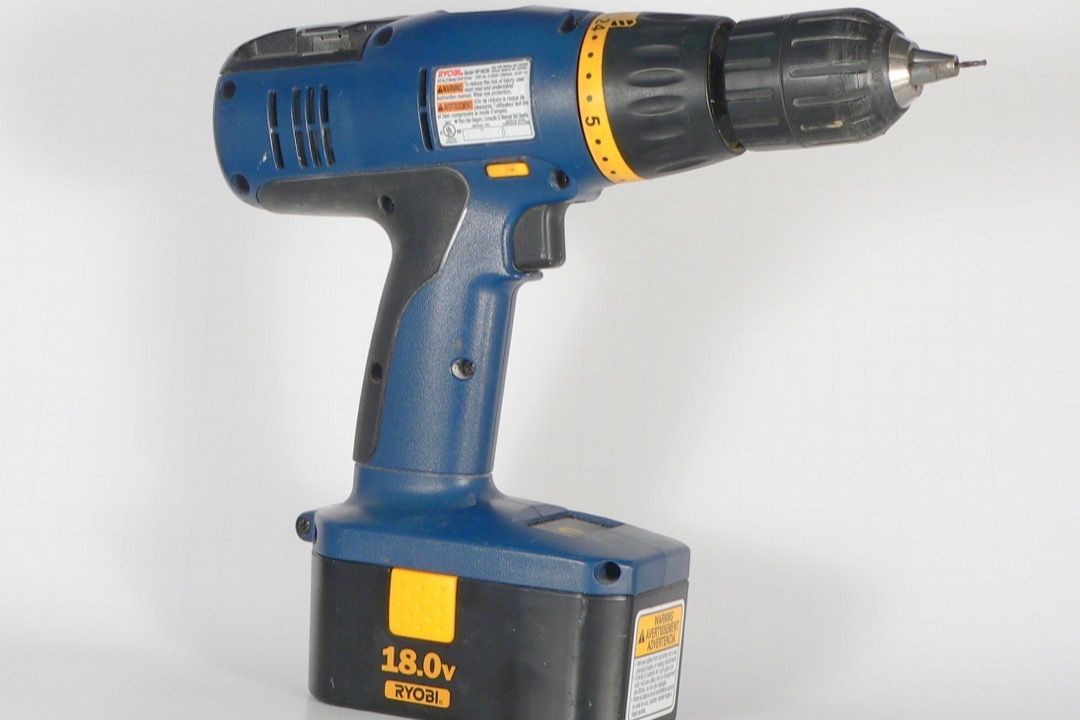
I have been running cordless drills on jobsites since both DeWalt and Milwaukee transitioned from corded to cordless platforms. Over fifteen years of general contracting — framing walls, hanging cabinets, building decks, running trim — I have put both brands through the kind of sustained daily use that separates marketing claims from jobsite reality.
The DeWalt vs Milwaukee debate generates more opinions than almost any other tool question I hear from homeowners and fellow contractors. Most of those opinions come down to brand loyalty rather than objective comparison. This guide is built around what actually matters: battery platforms, real-world performance, warranty protection, and total ecosystem value. By the end, you will know which brand fits your specific situation.
Quick Verdict
Both DeWalt and Milwaukee make excellent cordless drills in 2026. Neither brand produces a bad tool at any price tier. The right choice depends on your project scope, preferred retailer, and which tool ecosystem you want to invest in for the next five to ten years. For most homeowners doing standard DIY projects, the brands are functionally interchangeable at equivalent price points. The differences that matter are ecosystem depth, warranty length, smart features, and retail availability — not raw drilling performance.
Brand Overview
DeWalt
DeWalt is owned by Stanley Black and Decker, one of the largest tool conglomerates in the world. Their cordless platform — branded 20V MAX — launched in 2011 and has grown to cover over 300 tools. DeWalt’s identity is rooted in construction and trades: yellow and black tools on every commercial jobsite in America. Their engineering focus leans toward robust, field-serviceable designs that hold up under sustained professional use.
DeWalt also offers the FlexVolt system — batteries that automatically switch between 20V and 60V depending on the tool — which extends the cordless platform to high-draw tools like table saws and miter saws that traditionally required corded power. For homeowners building out a workshop, FlexVolt backward-compatibility with standard 20V MAX tools means one battery platform covers everything from a drill to a sliding compound miter saw.
Milwaukee
Milwaukee is owned by Techtronic Industries (TTI), a Hong Kong-based conglomerate that also owns Ryobi. Their M18 FUEL platform is the flagship cordless line, with the M12 compact platform serving as a complementary ecosystem for lighter-duty and specialty tools. Milwaukee’s engineering has historically leaned toward innovation — they were early adopters of brushless motors, and their ONE-KEY smart tool platform remains the most developed Bluetooth tool management system on the market.
Milwaukee’s reputation among tradespeople, particularly electricians and plumbers, is exceptionally strong. Their M12 platform fills a niche that no other brand matches: compact, lightweight 12-volt tools purpose-built for tight spaces and overhead work. For homeowners, the M18 platform covers the full range of cordless needs with a tool catalog that rivals DeWalt’s in breadth.
Battery Platforms Compared
This is where the decision starts, because it is where the long-term financial commitment lives.
DeWalt 20V MAX is an 18-volt nominal platform (the “20V” refers to peak voltage at full charge). The battery lineup ranges from compact 1.5Ah packs for light-duty tools up to 12.0Ah FlexVolt batteries for high-draw applications. Every 20V MAX battery works in every 20V MAX tool — full backward and forward compatibility across the entire catalog. FlexVolt batteries are backward-compatible with 20V MAX tools but also power the 60V FlexVolt tools for maximum versatility.
Milwaukee M18 is also an 18-volt nominal platform. Battery options range from compact 2.0Ah packs to the High Output 12.0Ah batteries designed for sustained high-draw use. Like DeWalt, all M18 batteries work in all M18 tools. Milwaukee also offers the M12 platform — a separate 12-volt ecosystem with its own battery format. M12 and M18 batteries are not cross-compatible, but many users run both platforms simultaneously for different task categories.
The practical takeaway: both platforms offer equivalent battery technology, similar capacity ranges, and comparable charging speeds. The decision between them should not be based on battery specs — it should be based on which ecosystem’s tool catalog and retail availability better match your needs.
Power and Performance
Modern brushless cordless drills from both brands deliver performance that would have been unthinkable a decade ago. The flagship models — DeWalt’s DCD999 hammer drill and Milwaukee’s 2904 M18 FUEL hammer drill — produce torque figures that exceed what most residential and even many commercial tasks demand.
For real-world task categories that homeowners and DIYers actually encounter:
Hanging shelves and mounting hardware. Any mid-range brushless drill from either brand handles this effortlessly. You are driving screws into studs through drywall — a task that requires modest torque and precise speed control. Both brands excel here.
Deck building and outdoor projects. Driving exterior screws into pressure-treated lumber all day is where battery capacity and motor efficiency matter. Both flagship drills handle this without issue on a 5.0Ah or larger battery. If you are building a deck, you want an impact driver alongside your drill — and both brands’ combo kits deliver that pairing at strong value. A portable generator is also worth having on-site for charging batteries during full-day outdoor projects.
Furniture assembly and cabinetry. Precision matters more than power here. Both brands offer electronic clutch settings and variable speed triggers that provide the control needed for delicate fastening without over-driving. The compact drill models — DeWalt ATOMIC and Milwaukee M12 — are particularly well-suited for cabinet interiors and tight furniture joints.
Concrete anchors and masonry. This is hammer drill territory. Both the DCD999 and the 2904 deliver aggressive hammer action for drilling into concrete, brick, and block. Performance differences between the two are marginal — both complete the job efficiently. If concrete work is a regular part of your project list, either brand’s flagship hammer drill is a solid investment.
Best Models by Price Point
Rather than naming specific prices that will change with promotions and market conditions, here is how each brand’s lineup breaks down by tier:
Entry tier. Both brands offer brushed motor drill kits with compact batteries at the lowest price point. These are adequate for occasional household tasks — assembling flat-pack furniture, hanging picture frames, light repairs. If you drill or drive screws fewer than a few times per month, the entry tier handles it. DeWalt’s entry kits are widely available at Lowe’s; Milwaukee’s at Home Depot.
Mid-range tier. This is where both brands hit their sweet spot for homeowners and serious DIYers. Brushless motors, 2.0-5.0Ah batteries, and enough torque for framing, decking, and workshop projects. The DeWalt DCD800 and Milwaukee 2903 are standout drill/drivers in this range. Combo kits at this tier — drill plus impact driver with two batteries and a charger — represent the best value entry into either ecosystem.
Flagship tier. The DeWalt DCD999 and Milwaukee 2904 FUEL represent each brand’s best engineering in a cordless drill. Maximum torque, premium brushless motors, metal chucks, and compatibility with the largest battery options. These are professional-grade tools that will outlast most homeowners’ project ambitions. Worth the investment if you are tackling renovation-scale work or want a tool that will never be the limiting factor on any project.
Ergonomics and Build Quality
Both brands build cordless drills that survive years of professional jobsite use. Drop-tested, dust-exposed, and used in conditions that most homeowners will never approach. Build quality is not a meaningful differentiator between DeWalt and Milwaukee at equivalent price tiers.
Ergonomic differences are subtle but real across extended use sessions:
Milwaukee’s M18 FUEL drills tend to have a slightly more compact head length, which provides better access in tight spaces. The grip texture and trigger feel are smooth and consistent. Milwaukee’s handle diameter is comfortable for medium to large hands.
DeWalt’s 20V MAX drills have a slightly different weight distribution — some users prefer the balance point, particularly during overhead work. DeWalt’s three-speed transmission on flagship models provides an additional gear range that some professionals prefer for specific applications. The grip texture is aggressive and holds well with work gloves.
The honest assessment: both brands are comfortable for standard project durations. For all-day professional use, individual hand size and grip preference matter more than brand — try both in-store before committing if ergonomics are a priority.
Warranty and Support
This is one of the clearest differentiators between the two brands.
Milwaukee: 5-year limited warranty on most cordless tools. This coverage window captures the failure modes that matter most — chuck wear, trigger switch failures, bearing degradation, and motor issues that typically surface in years 3-4 of regular use. Milwaukee’s warranty claim process runs through authorized service centers and their direct support channel.
DeWalt: 3-year limited warranty on most cordless tools, plus a 1-year free service contract and a 90-day money-back guarantee. The 3-year window is competitive within the industry but falls two years short of Milwaukee’s coverage. DeWalt’s service network is extensive, with over 100 factory-owned service centers across the United States.
For homeowners who use tools weekly on ongoing projects, Milwaukee’s extra two years of warranty coverage represent real financial protection. For occasional DIYers who pull the drill out a few times per month, either warranty is likely to outlast the period of heaviest use.
Smart Features: ONE-KEY vs Tool Connect
Both brands offer Bluetooth-connected tool platforms, though adoption among homeowners remains limited.
Milwaukee ONE-KEY is the more mature platform. It allows tool tracking (locate your tools via Bluetooth), custom performance profiles (set torque limits, speed ranges, and shut-off parameters for specific tasks), and usage reporting. For contractors managing a fleet of tools across multiple jobsites, ONE-KEY solves real inventory and theft problems. For homeowners, the customization features are the most relevant — setting a specific torque limit for delicate cabinetry work, for example.
DeWalt Tool Connect offers similar Bluetooth tracking and inventory management. The platform is functional but less developed than ONE-KEY in terms of tool customization options and app polish. DeWalt has invested more engineering resources into their FlexVolt battery platform than into smart tool features, which reflects a different prioritization.
For most homeowners, smart features will not influence the brand decision. If Bluetooth tool management is specifically important to you — particularly if you are building out a large tool collection — Milwaukee’s ONE-KEY is the more capable platform today.
Combo Kits and Ecosystem Value
The smartest entry point into either brand is a combo kit. Both DeWalt and Milwaukee offer drill-plus-impact-driver kits that include batteries and a charger at significant savings versus buying components separately.
A drill/driver handles drilling holes and driving screws with clutch control. An impact driver handles driving long fasteners, lag bolts, and stubborn screws with rotational impact force that a standard drill cannot match. Together, they cover virtually every fastening task a homeowner or contractor encounters. Having both tools means you can keep a drill bit in one and a driving bit in the other — eliminating constant bit changes that slow down every project.
Both brands also offer expanded kits — four-tool, six-tool, and even eight-tool combinations — that bundle the most common cordless tools at steep discounts. If you are setting up a new workshop or starting a tool collection from scratch, these expanded kits deliver the best per-tool value. Just verify that every tool in the kit is one you will actually use — a discounted tool you never touch is not a savings.
Beyond drills, both ecosystems extend into the tools that round out a complete workshop. A quality shop vac for cleanup and a reliable cordless leaf blower for outdoor work are natural additions once your battery collection is established — and both brands offer these tools on their respective platforms.
Who Should Choose DeWalt?
You are the right DeWalt buyer if:
- You shop primarily at Lowe’s and want in-store availability for tools, batteries, and accessories
- The FlexVolt system appeals to you — you want one battery platform that scales from a drill up to a miter saw or table saw without going corded
- You already own DeWalt 20V MAX batteries and want to expand your collection without switching ecosystems
- You value DeWalt’s three-speed transmission on flagship drills for specialized applications
- The contractor and trades heritage of the brand aligns with your project ambitions
DeWalt’s ecosystem is mature, broadly available, and backed by one of the largest tool companies in the world. The 20V MAX platform is not going anywhere — your investment in DeWalt batteries today will remain compatible with new tools for years to come.
Who Should Choose Milwaukee?
You are the right Milwaukee buyer if:
- You shop primarily at Home Depot and want the strongest in-store selection and promotional pricing
- The 5-year warranty matters to you — and it should, especially for tools used weekly or more
- You want access to the M12 compact platform alongside M18 for tight-space and overhead work
- ONE-KEY smart tool features are relevant to your workflow — tool tracking, custom profiles, usage data
- You want the most compact head design for tight-access drilling and driving
Milwaukee’s M18 FUEL lineup represents some of the best-engineered cordless tools on the market. The 5-year warranty, ONE-KEY platform, and M12 complementary ecosystem give Milwaukee a slight edge in overall platform depth for buyers who plan to build an extensive cordless tool collection.
The Bottom Line
Choose DeWalt if you are a Lowe’s shopper who values FlexVolt scalability, the brand’s deep trades heritage, and a 20V MAX platform that powers everything from a compact drill to a full-size table saw on the same battery system.
Choose Milwaukee if you are a Home Depot shopper who prioritizes the 5-year warranty, wants access to both M18 and M12 ecosystems, and values the most developed smart tool platform in the cordless market.
Neither choice is wrong. Both brands produce cordless drills that outperform what professional contractors were using just ten years ago. The drill itself will not be the limiting factor on any project — your skill, preparation, and material choices matter far more. Pick the ecosystem that fits your retail habits, warranty preferences, and long-term tool collection plans, then stop second-guessing and start building.
For projects that take you beyond the workshop — outdoor power equipment, home maintenance tools, and seasonal gear — our roundups of the best electric pressure washers and best portable generators cover the tools that complement a well-equipped cordless drill collection.
Frequently Asked Questions
Are DeWalt and Milwaukee both 18-volt platforms?
Which brand has a better warranty — DeWalt or Milwaukee?
Can I use DeWalt batteries in Milwaukee tools or vice versa?
Is DeWalt or Milwaukee better for home DIY projects?
Should I buy a drill/driver or a hammer drill as my first cordless drill?
Related Articles
About the Reviewer

Jake Morrison, Licensed General Contractor
B.S. Construction Management, Purdue University
Jake Morrison has spent 14 years in residential construction and home renovation before founding DIYRated in 2026. After helping hundreds of homeowners choose the right tools and materials for their projects, he started writing the product guides he wished existed when he was starting out. Jake tests every major product recommendation in his workshop in Indianapolis and focuses on real-world performance over spec-sheet marketing.