Gas vs Electric Pressure Washers: Which Type Do You Actually Need?
Gas vs electric pressure washers compared on power, cost, maintenance, and noise. Licensed GC Jake Morrison breaks down the real differences from 15+ years on the jobsite.
Updated
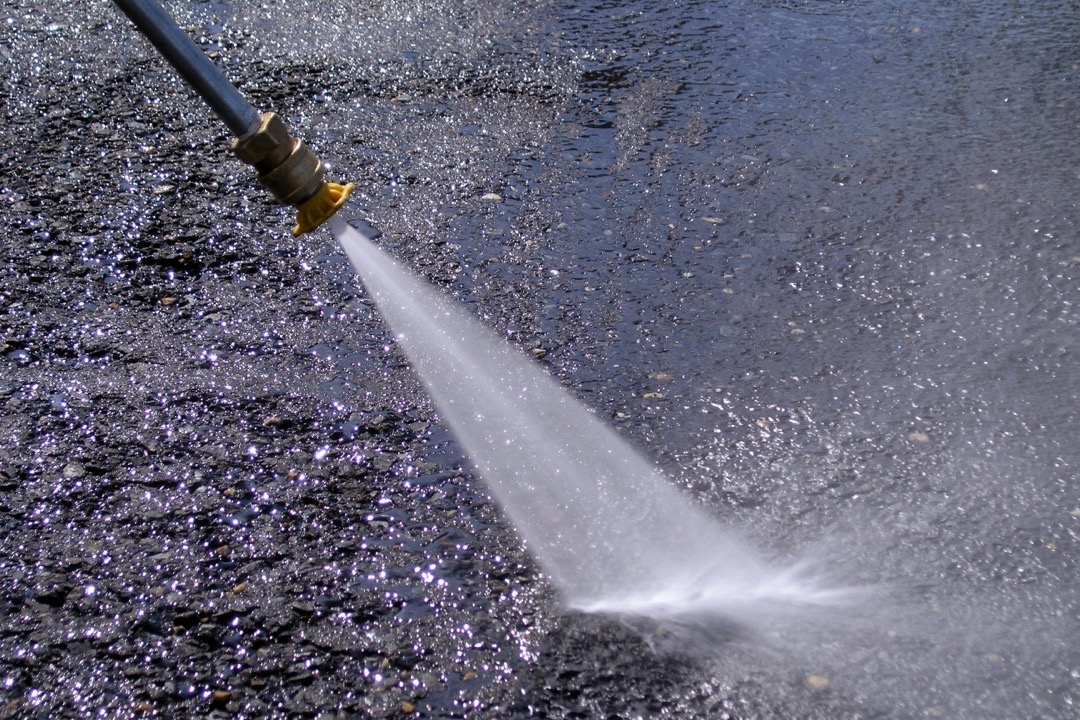
I have been pressure washing jobsites since before electric units were anything more than toys you bought at a hardware store and returned a month later. Over fifteen years of general contracting — prepping siding for paint, cleaning concrete forms, stripping decks for refinishing, and washing down completed driveways — I have run through more pressure washers than most people will own in a lifetime. Gas and electric. Commercial and residential. Some that lasted a decade and some that did not survive a single season.
The gas vs electric pressure washer debate has changed more in the last five years than in the previous twenty. Electric units have gotten legitimately powerful. Battery-powered models have entered the conversation. And gas units have gotten more refined with better pumps and lower emissions. But the core decision still comes down to the same question it always has: what are you actually going to clean, and how often?
This guide covers the full comparison — power output, true cost of ownership, maintenance reality, noise, safety, and the emerging battery-powered category that most comparison articles ignore entirely. If you already know which type you want and just need product recommendations, our best pressure washers for home use roundup covers top picks across both categories, and our best electric pressure washers guide goes deep on that segment specifically.
Gas vs Electric Pressure Washers at a Glance
Here is how the two types compare on the specs and factors that matter for real-world use:
| Feature | Electric Pressure Washer | Gas Pressure Washer |
|---|---|---|
| PSI range | 1,200 - 3,000 | 2,000 - 5,000+ |
| GPM range | 1.2 - 2.5 | 2.5 - 4.0 |
| Cleaning units (PSI x GPM) | 1,440 - 7,500 | 5,000 - 20,000+ |
| Noise level | 78 - 80 dB | 85 - 100+ dB |
| Weight | 15 - 35 lbs | 50 - 80+ lbs |
| Typical lifespan | 2 - 5 years | 5 - 10+ years |
| Fuel source | 120V outlet (GFCI) | Gasoline |
| Starting method | Push button | Pull start (some electric start) |
| Ongoing maintenance | Minimal | Oil, filters, spark plugs, winterization |
| Carbon monoxide risk | None | Yes (outdoor use only) |
| Portability | Carry by hand | Wheeled cart, truck transport |
| Best suited for | Cars, siding, furniture, light decks | Driveways, heavy concrete, paint prep, commercial |
That table gives you the landscape. The rest of this guide explains the context behind those numbers — because the right choice depends on your situation, not on which column has bigger numbers.
How Each Type Works
Understanding the mechanical differences between gas and electric pressure washers helps explain why they perform so differently and why they fail in different ways.
Electric Pressure Washers
Electric units use a universal (brushed) motor or an induction motor to drive a wobble plate or axial cam pump. The motor plugs into a standard 120V household outlet and spins the pump to pressurize incoming water from your garden hose. Most consumer electric washers use wobble plate pumps — the simplest and least expensive pump design. Higher-end electric models use axial cam pumps, which are more durable and deliver more consistent pressure.
The pump is the limiting factor on most electric units. Wobble plate pumps are not rebuildable — when they fail, you replace the entire pump or the entire machine. Axial cam pumps offer better longevity but are still a step below the triplex pumps found on gas units. Electric motors themselves are reliable but have finite brush life, typically measured in hundreds of hours of operation.
Gas Pressure Washers
Gas units use a small engine — typically 140cc to 420cc — to drive the pump at higher RPM and with more sustained torque than an electric motor can deliver from a 120V outlet. Consumer gas washers typically use axial cam pumps, while commercial and semi-commercial gas units use triplex pumps.
Triplex pumps are the gold standard for pressure washer longevity. They use three plungers operating in sequence (rather than the single piston in a wobble plate design), which distributes wear across multiple components and allows for rebuilding when seals eventually wear. A quality triplex pump can last thousands of hours with proper maintenance. If you are shopping for a gas washer and see “triplex pump” in the specs, that is a meaningful durability indicator — not just a marketing term.
Power and Performance: PSI and GPM Explained
PSI (pounds per square inch) measures the force of the water stream. GPM (gallons per minute) measures the volume of water flowing through the system. Both numbers matter, and focusing on PSI alone is the most common mistake buyers make.
Think of it this way: PSI is how hard the water hits the surface. GPM is how much water is hitting the surface. A high-PSI, low-GPM washer concentrates force on a tiny area — good for blasting stubborn stains but slow for covering large surfaces. A moderate-PSI, high-GPM washer covers more area per pass and flushes debris more effectively.
The industry uses cleaning units (PSI multiplied by GPM) as a combined performance metric. An electric washer at 2,100 PSI and 1.2 GPM produces 2,520 cleaning units. A gas washer at 3,100 PSI and 2.5 GPM produces 7,750 cleaning units — more than three times the effective cleaning power. That multiplier is why gas washers clean large surfaces dramatically faster, even when the PSI difference looks modest on paper.
For context, here is what I have found works on actual jobsites after years of matching machines to tasks.
Which Pressure Washer for Which Job
Matching PSI and GPM to the task is critical. Too much pressure damages surfaces. Too little wastes your time. Here is a practical guide based on what I have seen work and fail across hundreds of projects:
| Task | Recommended PSI | Recommended GPM | Electric or Gas? |
|---|---|---|---|
| Vehicle washing | 1,200 - 1,500 | 1.2+ | Electric |
| Patio furniture | 1,000 - 1,500 | 1.0+ | Electric |
| Window cleaning | 1,000 - 1,500 | 1.0+ | Electric |
| Wood deck cleaning | 1,500 - 2,000 | 1.5+ | Either |
| Vinyl/aluminum siding | 1,300 - 1,800 | 1.5+ | Either |
| Fence cleaning | 1,500 - 2,500 | 2.0+ | Either (gas preferred) |
| Concrete driveway | 2,500 - 3,200 | 2.5+ | Gas |
| Brick and pavers | 2,500 - 3,000 | 2.5+ | Gas |
| Paint stripping/prep | 2,500 - 4,000 | 2.5+ | Gas |
| Heavy commercial | 3,500 - 5,000+ | 3.5+ | Gas |
A few notes from experience. I ruined a cedar deck early in my career by hitting it with 3,200 PSI — raised the grain so badly the homeowner had to sand the entire surface before staining. Wood fibers separate above 2,000 PSI regardless of species. On the other end, I have watched homeowners spend an entire Saturday trying to clean a stained concrete driveway with a 1,600 PSI electric unit that needed 2,800+ PSI to be effective. Matching the machine to the job saves both surfaces and weekends.
Total Cost of Ownership
The purchase price is only the starting point. Here is what the five-year cost picture actually looks like for each type:
Electric: Lower Entry, Lower Maintenance, Shorter Life
Electric pressure washers require almost zero ongoing maintenance. No oil changes, no fuel costs, no spark plugs, no air filters. You connect the hose, plug it in, and squeeze the trigger. The electricity cost per hour of operation is negligible.
The catch is lifespan. Most consumer electric units last two to five years with regular residential use. The wobble plate pumps and brushed motors in entry-level models are the weak points. When either component fails, the repair cost often approaches the replacement cost. Many homeowners end up buying two or three electric units over the same period that a single gas unit would have served.
Gas: Higher Entry, Higher Maintenance, Longer Life
Gas pressure washers carry a meaningful purchase price premium. On top of that, annual maintenance includes engine oil changes (twice per season for regular use), spark plug replacement, air filter cleaning or replacement, pump oil changes (on triplex pump models), and fuel stabilizer for off-season storage. Figure on two to three hours of maintenance per season once you include winterization.
However, a well-maintained gas washer with a quality pump lasts five to ten years. I have a contractor-grade gas unit that has been on jobsites for eight years with two pump rebuilds — still runs strong. Over an eight-year window, the per-year cost of ownership on that unit is well below what three electric units would have cost me.
The Break-Even Calculation
For homeowners who pressure wash four to six times per year — cars, deck, siding, driveway — an electric unit is almost always the better value proposition. The machine gets light enough use that the motor and pump last toward the upper end of their lifespan, and the zero-maintenance convenience has real practical value.
For homeowners who pressure wash 15+ times per year, or who regularly clean concrete and other heavy-duty surfaces, a gas unit’s durability advantage makes the higher upfront and maintenance costs worthwhile over the ownership period.
Maintenance and Winterization
Electric Maintenance
Electric pressure washers need very little routine attention. After each use, flush the pump by running clean water through the system for 30 seconds. At the end of the season, drain all water from the pump and hoses to prevent freeze damage. Some manufacturers recommend running pump antifreeze (propylene glycol) through the system before winter storage. Store the unit indoors where temperatures stay above freezing.
That is essentially the entire maintenance list. No oil to check, no fuel to stabilize, no air filter to clean. Plug it in next spring and it should fire up.
Gas Maintenance
Gas pressure washers need the same engine maintenance as any small gas engine:
- Engine oil: Check before every use, change every 50 hours of operation or at least twice per season
- Air filter: Clean or replace every 25-50 hours depending on dust conditions
- Spark plug: Replace annually or every 100 hours
- Fuel system: Use fresh fuel with stabilizer, or drain the fuel system before winter storage
- Pump oil (triplex pumps only): Check before each use, change every 200-500 hours or annually
- Water system: Flush with pump antifreeze before any storage period where temperatures drop below freezing
Winterization
Winterization is where gas and electric diverge most sharply. Gas units require draining or stabilizing fuel, changing engine oil, running pump antifreeze through the water system, and storing in a dry space. Skip any of these steps and you risk carburetor gumming, frozen pump seals, or corroded cylinders.
I have seen more gas pressure washers killed by bad winterization than by actual wear and tear. The homeowner who uses the machine ten times between April and October, then parks it in an unheated garage with half a tank of unstabilized gas, wonders why it will not start in spring. That failure mode does not exist with electric units — which is a genuine advantage for seasonal users.
Noise, Weight, and Portability
Noise
Electric washers operate at 78 to 80 decibels — roughly the volume of a normal conversation from three feet away. You can use one at 7 AM on a weekday without generating a noise complaint.
Gas washers operate at 85 to 100+ decibels. The low end of that range is comparable to a lawn mower. The high end — larger commercial units — approaches the threshold where hearing protection is recommended for extended use. In dense residential neighborhoods, gas pressure washer noise is equivalent to running a leaf blower, with all the neighbor-relations implications that carries.
For reference, our best cordless leaf blowers guide covers battery-powered alternatives in another outdoor power category where noise has driven a similar gas-to-electric transition.
Weight and Portability
Electric washers in the 15 to 35 pound range are genuinely portable. You can carry one from the garage to the driveway with one hand, store it on a shelf, and toss it in a car trunk for use at another location. That low friction between “I should pressure wash the deck” and actually doing it is an underrated advantage.
Gas washers at 50 to 80+ pounds require wheeled carts for transport and floor-level storage. Moving one from the garage to the backyard involves rolling it across the lawn or driveway. Transporting one to another property means loading it into a truck bed. The weight itself is not a problem — the friction it creates between intention and action is.
Safety Considerations
Carbon Monoxide (Gas Units)
This is the single most critical safety difference between gas and electric pressure washers, and it is non-negotiable. Gas engines produce carbon monoxide — an odorless, colorless gas that can cause unconsciousness and death in enclosed spaces within minutes.
Never operate a gas pressure washer in a garage, even with the door open. Never use one in a carport, covered patio, or any space with a roof or walls on three or more sides. Position the unit at least 20 feet from doors, windows, and HVAC air intakes. If you are cleaning the interior of a garage, run the pressure washer outside and route only the high-pressure hose and wand inside.
Electric pressure washers produce zero exhaust emissions and can be operated in ventilated enclosed spaces without CO risk. For any cleaning task that requires working in or near enclosed areas, electric is the only safe option.
High-Pressure Injury (Both Types)
A pressure washer stream at 2,000+ PSI can lacerate skin, inject water beneath the skin surface (injection injury), and cause serious tissue damage. These injuries are more common than most users realize and require immediate medical attention. Never point the wand at yourself or others, never use a zero-degree nozzle unless the task specifically requires it, and always wear closed-toe footwear and eye protection.
Gas washers operating at 3,000+ PSI with a zero-degree nozzle can cut through leather boots. Treat the wand with the same respect you would give any power tool capable of causing serious injury.
Electrical Safety (Electric Units)
Electric pressure washers must be plugged into a GFCI-protected outlet. The combination of water and 120V electricity creates a shock hazard that GFCI protection is specifically designed to interrupt. Never remove or bypass the GFCI on the cord or outlet. Use only outdoor-rated extension cords within the manufacturer’s specified length and gauge — typically 25 to 50 feet maximum with a 12-gauge cord. Longer or thinner extension cords cause voltage drop that can overheat the motor and void your warranty.
Battery-Powered Pressure Washers: The Third Option
Battery-powered pressure washers deserve their own section because they have matured from novelty items into legitimate tools for a specific category of tasks. They are not a replacement for corded electric or gas units — but for the right use case, they are the most practical option available.
Current battery-powered models from major tool brands produce 500 to 1,200 PSI with runtimes of 20 to 40 minutes per battery charge. That is enough for washing a car, rinsing patio furniture, cleaning muddy gear, and quick spot-cleaning on siding or walkways. It is not enough for concrete driveways, paint prep, or any task requiring sustained high pressure.
The real advantage of battery-powered washers is complete portability — no hose to a water outlet (some models use an onboard tank or bucket draw), no extension cord, no gas. You can carry one to a remote corner of your property, use it at a campsite, or clean equipment in a field.
If you already own a major cordless tool platform — DeWalt 20V MAX, Milwaukee M18, EGO 56V, or Ryobi 40V — check whether your platform offers a compatible pressure washer. Using existing batteries eliminates the biggest cost barrier. If you are also building out a workshop with cordless tools, our best portable generators guide covers backup power options for when you need to charge batteries in the field.
Battery-powered washers are improving rapidly. Within the next few years, expect higher PSI output, longer runtimes, and better pump durability from the major brands. For now, they are best as a complement to a corded electric or gas unit rather than a standalone replacement.
The Bottom Line
After running both types across fifteen years of jobsite work and home use, here is my recommendation by user profile:
Choose electric if you pressure wash fewer than ten times per year, primarily clean vehicles, furniture, siding, and wood decks, live in a neighborhood where noise matters, prefer zero-maintenance convenience, and store tools in limited garage space. An electric unit handles these tasks at a lower total cost with no seasonal maintenance obligation. Check our best electric pressure washers guide for specific model recommendations.
Choose gas if you pressure wash frequently (15+ times per year), regularly clean concrete driveways, brick, or stone surfaces, need paint prep or surface stripping capability, have a large property where electrical outlets are not always accessible, and are willing to invest in seasonal maintenance for a machine that lasts five to ten years. A gas unit delivers the power and durability that heavy-use homeowners and contractors need.
Consider battery-powered if you need maximum portability for light tasks, already own a compatible cordless tool platform, want a quick grab-and-go option for cars and furniture, and do not need sustained high-pressure cleaning capability.
For most homeowners — and I mean this genuinely — an electric pressure washer is the right call. The convenience advantage is real, the power output handles 80 percent of residential cleaning tasks, and the zero-maintenance ownership experience means the machine actually gets used instead of sitting in the garage with stale gas and a gummed-up carburetor. If you need more power for specific jobs, rent a gas unit from your local home improvement store for those occasions. You will spend less over five years than buying and maintaining a gas machine that runs eight times a year.
If your cleaning demands are genuinely heavy-duty — large concrete areas, commercial properties, professional contracting — gas remains the clear choice. The power gap is real, the durability gap is real, and the maintenance investment is justified by the workload. Just winterize the thing properly. Your future self in April will thank you.
Whatever you choose, our best pressure washers for home use roundup covers top-performing models across both categories, and our best shop vacs guide covers the cleanup side of outdoor projects that pressure washing inevitably creates.
Frequently Asked Questions
Can an electric pressure washer clean a concrete driveway?
How long do gas and electric pressure washers last?
Are battery-powered pressure washers worth buying?
Is it safe to use a gas pressure washer in a garage or enclosed space?
What PSI do I need for different cleaning tasks around the house?
Related Articles
About the Reviewer

Jake Morrison, Licensed General Contractor
B.S. Construction Management, Purdue University
Jake Morrison has spent 14 years in residential construction and home renovation before founding DIYRated in 2026. After helping hundreds of homeowners choose the right tools and materials for their projects, he started writing the product guides he wished existed when he was starting out. Jake tests every major product recommendation in his workshop in Indianapolis and focuses on real-world performance over spec-sheet marketing.