Pressure Washer Safety Tips Every Homeowner Should Know
A pressure washer can cut skin to the bone at close range. Licensed GC Jake Morrison shares 20 years of jobsite safety rules — PPE, GFCI, kickback, ladders, and what to do if someone gets hurt.
Updated
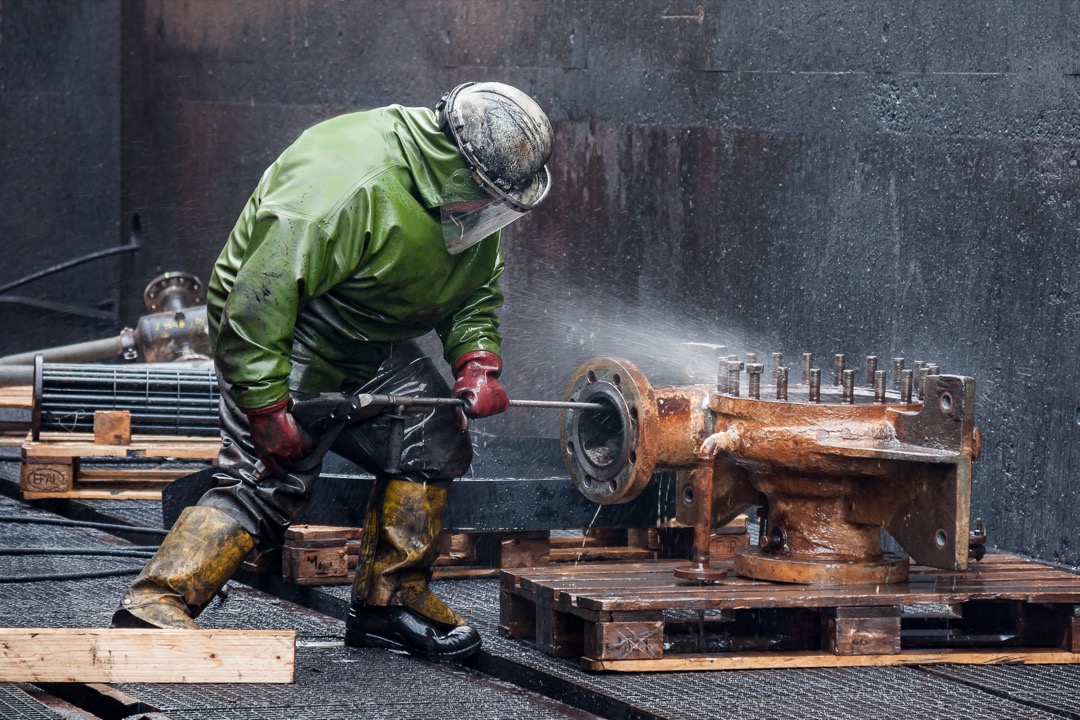
Every spring I get the same phone call: a neighbor, a former client, a buddy from the lumberyard, telling me they just bought a pressure washer and asking which nozzle to use on their siding. And every year I answer the nozzle question — but I always ask one back first: do you know what that machine can actually do to your hand? Most people don’t. They think of a pressure washer as a garden hose with attitude. It isn’t. After two decades of general contracting — stripping concrete forms, washing down equipment, and prepping exteriors for paint — I’ve watched these machines strip aluminum siding, blast mortar out of brick joints, and I’ve seen the ER photos of what a zero-degree nozzle does to a finger at close range.
The good news is that a pressure washer is completely safe to use if you respect a handful of non-negotiable rules. None of them are complicated, and none of them slow you down once they’re habit. This guide is the safety briefing I give every homeowner before I’ll hand them a wand — the same rules I follow on a jobsite, translated for the driveway, deck, and siding around your house. If you’re still deciding which machine to buy, our pressure washers for home use roundup and the gas vs electric breakdown cover the buying side; this is about using whatever you own without getting hurt.
Why Pressure Washer Injuries Are Worse Than They Look
Start here, because everything else follows from it. The stream coming out of even a mid-range home unit at 1,500 to 2,000 PSI is powerful enough to lacerate skin. A narrow nozzle held close can cut to the bone. But the visible cut is not the real danger — the real danger is what the pressure drives under the skin.
Emergency physicians have a name for it: a high-pressure injection injury. The stream punches a tiny hole in the skin and forces water, dirt, bacteria, and any detergent you’re using deep into the tissue and along the tendon sheaths. The entry wound often looks like nothing — a pinprick that barely bleeds — so people wash it off and go back to work. Hours later the finger swells, throbs, and starts to go numb, and by then the contamination has spread far enough to threaten the tissue. Untreated, these wounds lead to serious infection, compartment syndrome, and in the worst cases amputation.
That is the mindset I want you to carry the whole time the machine is running: the wand is not a toy, and any wound it causes goes to the emergency room, no exceptions. Once you truly believe that, the rest of these rules stop feeling like overkill.
Before You Start: The Pre-Operation Checklist
Ninety percent of safe pressure washing happens before you ever pull the trigger. Run this checklist every single time — it takes ninety seconds:
- Read the manual for your specific machine at least once. PSI, GPM, maximum cord length, and pump requirements vary, and the manual tells you the numbers the box won’t.
- Inspect the high-pressure hose end to end. Look for bulges, cracks, cuts, or a soft spot near the couplings. A hose about to fail is a hose you replace now, not after it lets go under pressure and whips.
- Check every coupling and the nozzle connection. A nozzle that isn’t fully seated can fire off the end of the wand like a projectile. Give each connection a firm tug.
- For electric units, inspect the cord and confirm a GFCI. No frays, no cracked insulation, and the outlet must be a ground-fault outlet or run through a portable GFCI adapter.
- For gas units, check oil and fuel with the engine cold, and confirm you’re outdoors with clearance on all sides.
- Clear the work zone. Move cars, furniture, and grills. Send kids and pets inside. Look up for power lines and down for anything that can become a projectile.
- Attach the widest nozzle first (white 40-degree or the black soap tip) so your first trigger pull is the gentlest possible.
A restricted water supply is the one item people skip. Your machine can only move the water your spigot delivers, and a starved pump cavitates and wears out early. A good, adequately sized garden hose with no kinks feeds the pump properly — a cheap, undersized hose chokes flow before the water ever reaches the machine.
The Personal Protective Equipment That Actually Matters
You don’t need a hazmat suit, but three items are genuinely non-negotiable, and a fourth depends on your machine.
Eye protection comes first. The most common pressure washer injury isn’t a laceration — it’s debris. The stream doesn’t just clean a surface; it launches whatever it hits back at you at speed. Paint chips, gravel, wood splinters, and ricocheting spray all end up at eye level. Wrap-around safety glasses or sealed goggles, every time.
Closed footwear with grip is second. You are working on a surface you are actively making wet and slippery, often while managing recoil. Waterproof boots or closed rubber shoes with real tread — never sandals, never bare feet. I’ve seen more pressure washing injuries from slips and falls than from the water itself.
Gloves and long pants protect against abrasion, cold water fatigue, and the spray wrapping around an edge. Snug-fitting gloves also improve your grip on a wet trigger gun; a solid pair of work gloves is cheap insurance. Skip anything loose — drawstrings, cuffs, and dangling straps can get caught.
Hearing protection if you run gas. Electric units hum along around 78 to 80 decibels, about like a vacuum. Gas engines run 85 to 100+ decibels — loud enough that a full afternoon does measurable, permanent hearing damage. If you’re on a gas machine for more than a few minutes, wear muffs or plugs rated around 25 dB NRR.
Electrical Safety and the GFCI Rule
Electric pressure washers mix two things that don’t get along — water and household current — so the electrical rules are strict.
Plug the machine into a GFCI (ground-fault circuit interrupter) outlet, always. A GFCI senses current leaking to ground and cuts power in milliseconds, which is exactly what happens when moisture bridges a fault. If your outdoor outlet is an older non-GFCI type, use a portable GFCI adapter — they cost a few dollars and there is no reason to skip one.
Use only a heavy 12-gauge outdoor-rated extension cord, and no longer than your manual allows (typically 25 to 50 feet). Undersized or too-long cords drop voltage and overheat, which damages the motor and, in a wet environment, creates a shock hazard. Keep the cord’s connection to the machine up off the wet ground — hang it on a hook or use a cord-lock — so a puddle never sits on a live connection. And never, ever pressure wash near an overhead power line, a service drop, an electrical panel, or an outdoor meter. Water conducts, and the stream reaches farther than you think. If your work takes you far from a safe outlet, a portable generator is a cleaner solution than daisy-chaining cords across the yard.
Gas Engines: Carbon Monoxide and Hot Surfaces
Gas pressure washers add two hazards electric units don’t have, and the first one is lethal.
Carbon monoxide is the one that kills. Gas engines produce CO — odorless, colorless, and deadly in enclosed spaces within minutes. This is not a “crack a window” situation. Never run a gas machine inside a garage, carport, basement, shed, or even against the open doorway of a building, because CO builds up faster than natural airflow clears it. Keep the engine outdoors with at least 20 feet of clearance from any door, window, or air intake, and stop instantly if anyone nearby gets a headache or feels dizzy or nauseated — those are the first symptoms, and they escalate fast. If ventilation is a problem for your space, this is a clear case for an electric pressure washer instead; it produces no exhaust at all.
Hot surfaces and fuel are the second hazard. The engine and muffler get hot enough to cause serious burns, so keep bare skin and the hose away from them, and let the unit cool before you touch it. Refuel only when the engine is cold and off — gasoline splashed on a hot muffler ignites. Store fuel in a proper container away from the machine.
Controlling Kickback and Spray Technique
The moment you squeeze the trigger, the wand pushes back. On a high-flow gas unit that recoil is enough to knock a wrist off line, and a surprised operator who loses control of the gun is how the stream ends up pointed at a leg. Manage it deliberately:
- Two hands on the gun, always. One on the trigger, one supporting the wand.
- Brace before you trigger. Feet shoulder-width, weight forward, stable footing.
- Start with the wand pointed at the ground, away from your body and anyone else, then bring it up onto the surface.
- Never overreach. If you can’t hit a spot from a stable stance, move your feet — don’t lean out over your center of gravity.
Nozzle choice is a safety decision, not just a cleaning one. The color-coded tips change the stream angle: white (40°) is gentlest, green (25°) is general-purpose, yellow (15°) strips, and the red (0°) pinpoint jet is the dangerous one — it concentrates all the machine’s force into a tiny point and should almost never come out of the box. The contractor rule is start wide, start far back, then step narrower or closer only if the surface demands it. Our PSI-by-surface guide has the full breakdown of which nozzle and pressure each material can take.
Never Combine a Ladder With a Pressure Washer
This one gets its own section because I see it constantly and it terrifies me every time. Homeowners want to reach a second-story soffit or a high gable, so they haul the pressure washer up a ladder. Do not do this.
The physics are stacked against you. The wand kicks back every time you trigger it, and on a ladder that recoil is a shove that can push you off. Your footing is already compromised — the rungs are wet, your boots are wet, and you’re managing a bucking hose with both hands, which means you’re not holding the ladder. It is one of the most reliable ways to end up in the ER that exists in home maintenance.
The fix is simple: keep both feet on the ground and extend your reach instead of your height. A telescoping extension wand adds 6 to 18 feet of reach, and an X-Jet or downstream injector lets you apply cleaner up high from ground level. For anything higher than you can safely reach with an extension wand from solid ground, the honest answer is to hire a soft-wash pro. No clean gutter is worth a fall from a ladder.
Surface-Specific Do’s and Don’ts
Protecting yourself is half the job; protecting your house is the other half. Too much pressure damages surfaces expensively:
- Wood decks and fences: Softwoods etch and furr above ~1,500 PSI. Use the white or green nozzle, keep it moving with the grain, and stay back.
- Vinyl and aluminum siding: Clean at moderate pressure and never spray upward into the laps — you’ll drive water behind the siding and into the wall cavity, where it rots framing and grows mold. Spray straight on or slightly downward.
- Concrete and brick: Durable, but the red nozzle can gouge softer concrete and blow old mortar out of brick joints. Green or a turbo nozzle is plenty.
- Cars: Keep it under ~1,900 PSI with the white nozzle, 12+ inches back, at a slight angle. Higher pressure etches clear coat and forces water past seals.
- Roofs: Never pressure wash a roof. It strips the protective granules off shingles and forces water underneath — and it puts you on a ladder or a wet roof (see above). Roofs get soft washed, not pressure washed.
- Windows and light fixtures: Skip them. The pressure cracks glass and drives water into electrical fixtures.
Lead paint warning: if your home was built before 1978, assume the old paint contains lead. Pressure washing aerosolizes and scatters lead-paint chips across your yard, which is a genuine health hazard, especially around children and gardens. Don’t blast old painted surfaces on a pre-1978 home without understanding lead-safe practices first.
Detergents, Chemicals, and Hose Safety
Use only detergents labeled for pressure washers and mixed to the ratio on the container. Never run bleach or chlorine mixes through a machine not rated for them — it destroys pump seals — and never mix cleaning chemicals with each other, which can produce toxic gas. Apply soap through the low-pressure black nozzle, let it dwell, then rinse; that’s both safer and more effective than blasting undiluted product.
There’s also a plumbing angle people forget: connecting a chemical injector to your home water supply without a backflow preventer can, in a pressure-drop event, siphon detergent back into your potable water. Many local codes require a backflow preventer on any hose bib feeding a chemical system — a cheap part that keeps cleaner out of your drinking water.
On the hose itself: inspect it before every use and never try to repair or tighten a coupling while the system is pressurized. A high-pressure hose that fails at the coupling whips violently and can catch you in the face or eyes. If a fitting leaks, shut the machine down, squeeze the trigger to bleed off residual pressure, then fix it.
Keeping Kids, Pets, and Bystanders Safe
The work zone is yours alone while the machine runs. Kids are drawn to the spray and have no sense of what it can do; the stream that cleans your driveway can seriously injure a child in an instant, and the ricochet catches bystanders who wander too close. Send children and pets indoors before you start, and if someone approaches, release the trigger and let the wand drop toward the ground until they’re clear. Never turn to talk to someone with a live wand in your hand — that’s exactly how the stream ends up pointed somewhere it shouldn’t be.
If Someone Gets Hurt: First Aid and the ER Rule
If the spray hits skin, treat it as an emergency even if it looks trivial. The steps:
- Shut the machine off and secure the wand.
- Rinse the wound gently with clean water and cover it with a clean dressing.
- Keep the injured limb elevated and still.
- Go straight to the emergency room — do not “wait and see.”
- Tell the staff it was a high-pressure injection injury. This is the critical part. These wounds look minor and can fool people who don’t know pressure washers, so name it specifically. Injection injuries to the hand are time-sensitive surgical emergencies.
Print that or keep it in mind. The instinct to wash a small puncture and get back to work is exactly the instinct that turns a treatable injury into a permanent one.
Shutdown, Cleanup, and Storage
Finishing safely matters too. When you’re done: turn the machine off, then squeeze the trigger to release the pressure trapped in the hose and gun before you disconnect anything — that stored pressure is enough to injure. Disconnect the water and, on electric units, unplug at the outlet, not by yanking the cord. Coil the hose and cord without kinks. For gas units, follow your manual on fuel stabilizer and, in cold climates, winterize the pump so trapped water doesn’t freeze and crack the housing. Store the machine and any fuel where children can’t reach them.
The Bottom Line
A pressure washer earns its place in the garage — it does in an hour what a hose and a brush can’t do in a weekend. But it demands the same respect you’d give any power tool that can put you in the hospital, because that’s exactly what it is. Learn the injection-injury danger, run the pre-op checklist, wear the eye protection, keep it off ladders, and never point the wand at anything you’re not willing to destroy. Do that, and the only thing that gets cleaned is your house. If you’re shopping for a machine that matches your actual needs, start with our home-use pressure washer picks and the PSI selection guide — buying the right pressure for your jobs is itself a safety decision.
Frequently Asked Questions
What are the most important pressure washer safety tips?
Can a pressure washer really cut skin or a finger?
Is it safe to use an extension cord with an electric pressure washer?
Can pressure washing cause carbon monoxide poisoning?
How do I know if a pressure washer injury is serious?
What safety gear do I need to use a pressure washer?
Related Articles
How to Choose the Right Pressure Washer PSI for Every Job
outdoor-power
7 Best Electric Pressure Washers of 2026
outdoor-power
8 Best Pressure Washers for Home Use in 2026
outdoor-power
Gas vs Electric Pressure Washers: Which Type Do You Actually Need?
outdoor-power
11 Best Work Gloves of 2026: A Contractor's Picks
safety-security
About the Reviewer

Jake Morrison, Licensed General Contractor
B.S. Construction Management, Purdue University
Jake Morrison has spent 14 years in residential construction and home renovation before founding DIYRated in 2026. After helping hundreds of homeowners choose the right tools and materials for their projects, he started writing the product guides he wished existed when he was starting out. Jake tests every major product recommendation in his workshop in Indianapolis and focuses on real-world performance over spec-sheet marketing.