8 Best Cordless Hammer Drills of 2026
Licensed GC Jake Morrison reviews the 8 best cordless hammer drills of 2026 for concrete, brick and block, plus the rotary hammer difference that matters.
Updated
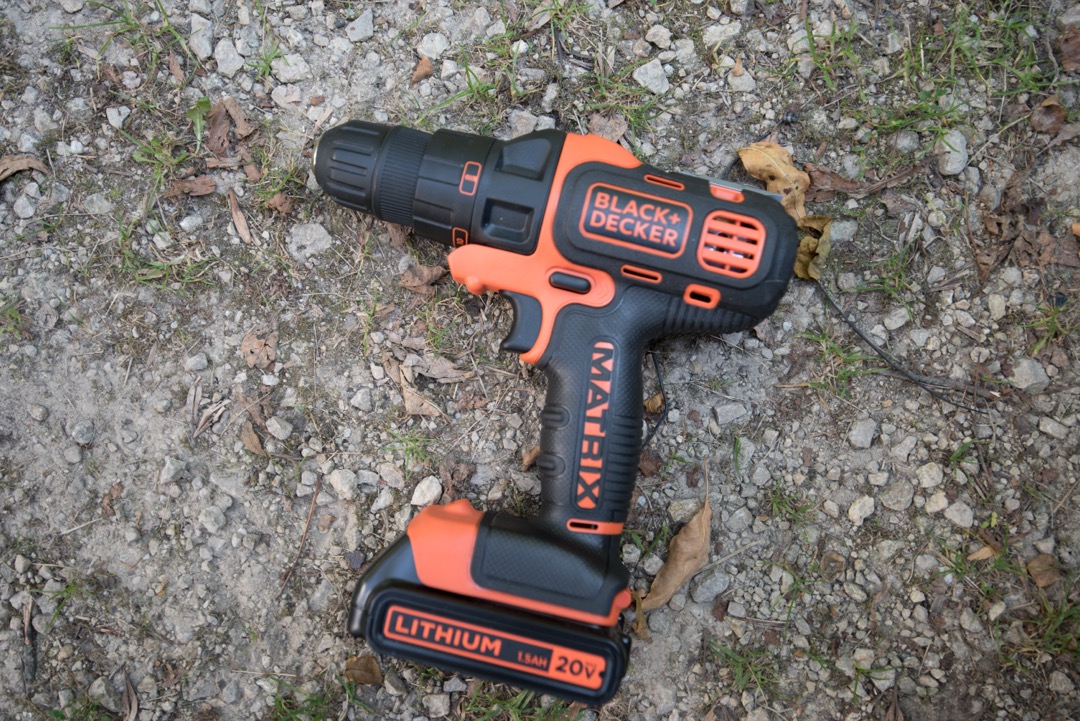
A hammer drill is a drill with an ordinary keyless chuck that layers a rapid forward hammering pulse on top of normal rotation. It takes the same round-shank bits you already own, and with a carbide masonry bit in the chuck it is the tool that puts a hole in brick, block, or a concrete wall so you can set an anchor. A rotary hammer is a different machine. It drives a piston against a striker to deliver a much heavier blow, it accepts only SDS-Plus shank bits that twist and lock into place, and it is what you buy when concrete is your weekly job rather than your Saturday job.
Those two tools are not interchangeable, and the search results for this category do a bad job of saying so. One of the articles currently ranking on page one for best cordless hammer drill names an SDS rotary hammer as its top pick without flagging the difference. If you buy that tool expecting the masonry bits in your drawer to fit, they will not. I have included a rotary hammer in this roundup because it genuinely is the right answer for repeated concrete work, but it is labelled as a rotary hammer everywhere it appears on this page, and you should know what you are buying before you click.
I am a licensed general contractor and I have spent twenty-plus years setting anchors into masonry, from soft 1920s brick that crumbles if you push too hard to fresh block on commercial fit-outs. For 2026 I looked at the cordless hammer drills actually available and buyable on Amazon right now, verified every listing was live and in new condition, and narrowed it to eight tools that cover the honest range of what people need: a pro-grade all-rounder, a complete kit for a first-time buyer, a rotary hammer for the concrete crowd, and a set of platform-specific and subcompact options for people who already own batteries or who work in tight spaces.
If your masonry work is occasional and most of your drilling is wood and drywall, read this alongside our roundup of the best cordless drills first, because a plain drill/driver may be the better buy. If you drive a lot of long fasteners, an impact driver is the companion tool, not a substitute.
Find the Best Cordless Hammer Drill for Your Job
The material you are drilling decides the tool more than the brand on the housing does. Jump to your situation:
- Best cordless hammer drill overall
- Best for concrete
- Best for brick and block
- Best for Tapcons and concrete screws
- Best budget hammer drill
- Best compact and lightweight
- Best 12V hammer drill
- Best kit with battery and charger
Best Cordless Hammer Drills Overall
Eight tools, reviewed in full below. Every use-case section further down draws its picks from this list.
Quick Picks
Best Overall: The DEWALT DCD1007B carries the highest published torque figure of any 1/2-inch cordless hammer drill, a three-speed all-metal gearbox, and an anti-rotation sensor that shuts the tool down before a bound bit can twist it out of your hands.
Budget Pick: The BLACK+DECKER BLD783D1 is the only genuine complete kit in this roundup, arriving with a brushless motor, a 2.0Ah battery, and a charger so you can drill the day it lands.
Upgrade Pick: The DEWALT DCH273B is an SDS-Plus rotary hammer rather than a hammer drill, and for anyone drilling concrete regularly it is a different class of tool.
Runner-Up: The Milwaukee 2804-20 M18 FUEL pairs 1,200 in-lb with the second deepest owner review record on this page, and it is the obvious pick if you already run M18 packs.
How We Chose These Hammer Drills
I started from what is actually buyable. Every listing on this page was checked live for a working product page, an Add to Cart button, and new condition, because a roundup full of dead or used-only listings is worse than no roundup at all. From there I weighted published torque and BPM figures against verified owner reports, gave real weight to the battery platform each tool commits you to, and separated hammer drills from rotary hammers rather than blurring them together.
I also read what owners complain about, not just what they praise. A drill that twists in your hand at full power, a listing where the tool arrives without the battery a buyer assumed was included, a chuck size that quietly caps what you can drill: those are the details that turn a good spec sheet into a bad purchase, and they are called out in the cons for every tool here.
Do You Actually Need Hammer Mode?
Before you spend anything, answer this honestly, because a hammer drill is heavier, louder, and more expensive than the drill/driver it is built from, and if you never use hammer mode you have paid for weight you carry around for nothing.
You need hammer mode if you drill into masonry more than a few times a year. Mounting a handrail to a brick stoop, anchoring a bottom plate to a basement slab, hanging a TV bracket on a block wall, fixing a ledger to a foundation, setting anchors for a fence post bracket in concrete: those are hammer drill jobs, and a standard drill/driver will burn a masonry bit and your afternoon trying to do them.
You do not need hammer mode if your work is wood, drywall, cabinetry, and metal, with maybe one masonry hole a year. For one or two small holes in soft brick or mortar joint, a good drill/driver with a sharp carbide masonry bit and patience will get there. Buy the plain drill and put the difference toward a second battery.
You need a rotary hammer instead, not a hammer drill, if concrete is a routine part of your work. The threshold I use is roughly this: if you regularly drill more than a dozen holes into cured concrete in a single day, or if you need holes larger than about 1/2 inch in diameter, the hammer drill mechanism becomes the bottleneck and an SDS-Plus tool will finish the job in a fraction of the time with far less fatigue.
DEWALT DCD1007B 20V MAX XR Brushless Hammer Drill - Best Overall
DEWALT claims 2,100 in-lb of max torque on the DCD1007B and calls it the highest figure of any 1/2-inch cordless hammer drill available. Numbers on a box are marketing until you understand what they buy you, and here what they buy you is margin. A 1/2-inch masonry bit hitting a piece of aggregate in a slab does not stop this tool the way it stops a 400 in-lb subcompact, and that difference is the whole reason to own a full-size hammer drill rather than a compact one.
The three-speed all-metal transmission is the feature I would actually point at first, though. Most hammer drills give you two gears and ask one of them to cover both anchor holes and general driving. Three speeds lets you drop into a genuinely low, high-torque gear for large-diameter masonry work, sit in the middle for driving, and run the top gear for fast boring in wood. The all-metal gear case matters on a hammer drill specifically, because the percussion mechanism sends shock back through the drivetrain all day.
The ANTI-ROTATION kickback control is the safety feature that belongs on a tool making this much torque. When the sensor detects that the tool body is rotating rather than the bit, it cuts the motor and lights a red LED so you know why it stopped. That failure mode, a bit binding in aggregate and the drill twisting out of your grip, is precisely how people sprain wrists on high-torque drills, and the fact that DEWALT builds the countermeasure in rather than selling you a side handle and hoping is worth something.
Two honest caveats. This is the heaviest tool in this roundup, and the reviewers who work overhead say so directly. And it is a bare tool: the price you see is the drill and nothing else, so budget a battery and charger on top unless you already own 20V MAX packs. With only a few hundred reviews on this generation of the listing, the field record is also thinner than the Milwaukee here, though the platform underneath it is not new.

DEWALT 20V MAX XR 1/2 Inch Brushless Cordless Hammer Drill, Battery Not Included (DCD1007B)
by DEWALT
The DCD1007B is the most capable hammer drill in this roundup by DEWALT's own torque numbers, and the anti-rotation sensor plus a three-speed gearbox make it the one I would put in a crew member's hands for mixed masonry and framing work.
Pros
- DEWALT rates it at 2,100 in-lb of max torque and claims that is the highest figure of any 1/2-inch cordless hammer drill on the market
- Three-speed all-metal transmission lets you match spindle speed to the material instead of forcing one gear to cover masonry, wood, and steel
- ANTI-ROTATION kickback control cuts the motor when the tool senses excessive rotation, and a red LED tells you that is why it stopped
- DEWALT publishes a runtime figure of 275 holes per charge at roughly 2.6 seconds per hole, which is a rare piece of hard data in a category that mostly quotes torque and nothing else
Cons
- Heaviest tool in this roundup at 5 lb, and reviewers consistently flag the weight on extended overhead work
- Sold as a bare tool, so a battery and charger are a separate purchase on top of the listed price
- Just over 500 reviews on this newer-generation listing, so the long-term field record is thinner than the Milwaukee tools here
BLACK+DECKER BLD783D1 20V MAX POWERCONNECT Brushless Hammer Drill Kit - Budget Pick
This is the only tool in this roundup that arrives ready to work. Seven of the eight are bare tools, and for a first-time buyer that is a trap: the listing price looks approachable, the box shows up, and there is no battery in it. The BLD783D1 is a complete kit with a 2.0Ah POWERCONNECT pack and a charger included, and it is the reason it holds the budget slot rather than one of the cheaper bare tools further down this page.
The brushless motor is the part that would have surprised me five years ago. Brushless in a homeowner-tier hammer drill kit used to be a contradiction in terms, and it matters more here than it would in a plain drill because masonry drilling is a sustained high-load task, exactly the condition where a brushed motor sheds energy as heat. BLACK+DECKER publishes a rating of 23 holes per charge in masonry from that 2.0Ah pack, which is a real number rather than a marketing adjective, and it lines up with what a reviewer describes doing with it: drilling Tapcon pilot holes into concrete.
The 30,000 BPM hammer rate is competitive with tools costing considerably more, and the 10-position clutch is enough control for the driving side of the job even if it is coarser than the 24-position clutch on the RYOBI. The 2 plus 3 year warranty with registration is unusually good for this tier.
Where you should be clear-eyed: this listing has 39 reviews. That is a newer and less proven tool than the Milwaukee and Makita options here, and I would not put it on a crew running masonry all week. The duty cycle is homeowner-grade, and a single 2.0Ah pack means you will be waiting on the charger during a long session. For someone anchoring a fence bracket, hanging shelves on a brick chimney breast, or mounting a mailbox to a block wall, none of that is a problem.

BLACK+DECKER 20V MAX POWERCONNECT Brushless Cordless 1/2-in. Hammer Drill Kit (BLD783D1)
by BLACK+DECKER
The BLD783D1 is the one tool here a first-time buyer can order and put to work the same afternoon, and a brushless motor inside a complete kit at this tier is genuinely new.
Pros
- The only genuine new-condition complete kit in this roundup, arriving with a 2.0Ah POWERCONNECT battery and a charger in the box
- Brushless motor at a kit price, which was a professional-tier feature in this category five years ago
- BLACK+DECKER rates it at 23 holes per charge in masonry, and a reviewer used it for Tapcon pilot holes in concrete
- 10-position clutch plus a 30,000 BPM hammer rate covers light masonry and everyday driving without swapping tools
Cons
- Only 39 reviews, so this is a newer and less proven listing than the Milwaukee and Makita tools in this roundup
- Lower duty cycle than the pro brushless drills here, so treat it as a weekend tool rather than an all-day one
- A single 2.0Ah pack is modest for sustained masonry drilling and you will spend time waiting on the charger
DEWALT DCH273B 20V MAX SDS Rotary Hammer - Upgrade Pick
Say it plainly: this is a rotary hammer, not a hammer drill. It has an SDS-Plus chuck. Your round-shank masonry bits will not fit it, and you will be buying a set of SDS-Plus bits alongside it. I am including it because it is the correct answer for a specific and common buyer, not because it belongs in the same category as the other seven tools here.
The mechanism is the difference. A hammer drill makes percussion by ratcheting two ridged clutch plates against each other, which produces a very large number of very light blows. A rotary hammer uses a piston to drive a striker, and the DCH273B delivers 2.1 joules per blow. Fewer blows, vastly more energy in each one. In cured concrete that translates to a hole finished in a fraction of the time with a fraction of the pressure, and it is not close. Rotary hammers also have a chipping mode, which this tool has, so it doubles as a light demolition tool for tile beds, small breakouts, and tie removal.
SHOCKS active vibration control is the feature that shows up in your hands rather than in the spec sheet. Drilling twenty anchor holes overhead into a slab is a vibration exposure problem as much as a drilling problem, and reducing that buzz is what lets you finish the run without your fingers going numb.
At 3,450 reviews and 4.7 stars, this has the deepest field record of anything on this page, which tells you how many people were looking for exactly this tool. The caveats are real, though. It is a bare tool, so the honest cost is the drill plus a pack plus a charger plus SDS-Plus bits, which puts it well above the number on the listing. And at 6.4 lb it is a drilling tool, not a demolition hammer: if you are breaking out a slab rather than drilling through one, you want a bigger machine.
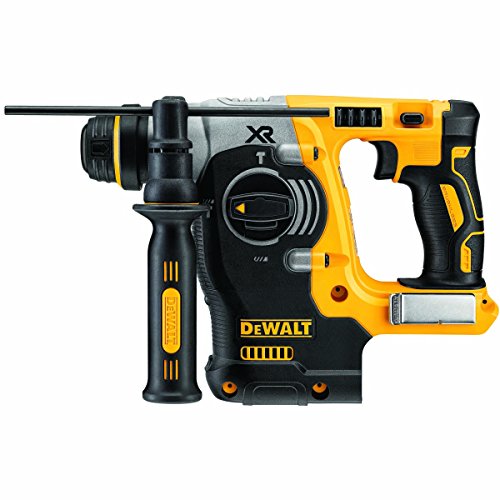
DEWALT 20V MAX SDS Rotary Hammer Drill, Cordless, 3 Application Modes, Bare Tool Only (DCH273B)
by DEWALT
The DCH273B is a rotary hammer rather than a hammer drill, and if you drill concrete week in and week out it makes every hammer drill here look like the wrong tool, which is exactly why it sits in the upgrade slot.
Pros
- 2.1 joules of impact energy through an SDS-Plus piston mechanism, which is a fundamentally more efficient way to break concrete than a hammer drill's clutch plates
- Three modes cover rotary drilling, hammer drilling, and chipping, so it doubles as a light demolition tool
- SHOCKS active vibration control noticeably cuts the buzz that fatigues your hands across a run of anchor holes
- 3,450 reviews at 4.7 stars is the deepest field record of any tool in this roundup
Cons
- This is a rotary hammer, not a hammer drill, and it takes SDS-Plus shank bits rather than the round-shank masonry bits your existing drill uses
- Bare tool pricing understates the real cost once you add a battery, a charger, and a set of SDS-Plus bits
- At 6.4 lb it is a drilling tool, not a demolition hammer, so sustained chipping work will outrun it
Milwaukee 2804-20 M18 FUEL 1/2 in. Hammer Drill - Runner-Up
The 2804-20 is what most job sites are already running, and the reason is the platform as much as the tool. M18 is the cordless line you are most likely to find on a commercial site in the back of somebody’s van, and if you already own those packs this is the hammer drill to buy without much further thought.
The tool itself carries 1,200 in-lb of peak torque, which is second only to the DEWALT among the true hammer drills here, and it does it in a 3.5 lb body that is a pound and a half lighter than the DCD1007B. That trade, meaningful torque in a body you can still hold overhead, is what makes it the practical everyday choice for a lot of trades even though it is not the outright torque winner. REDLINK PLUS electronics watch the tool and the pack together and pull power back before either overheats, which is the kind of protection that shows up as a tool still working in year five rather than as a spec you notice on day one.
With 2,706 reviews at 4.7 stars, only the SDS rotary hammer above carries more owner feedback on this page. That volume of consistent feedback is worth more than any single spec, and it is the main reason it holds the runner-up slot rather than one of the tools with better numbers on paper. If you are weighing this against the DEWALT specifically, our DEWALT versus Milwaukee comparison goes deeper on how the two platforms differ over the long run.
The honest limits: bare tool only, M18 packs are among the more expensive batteries to buy into if you are starting fresh, stock has run into single digits recently so the buy box can move to a third-party seller, and the gearbox is a standard two-speed with no third gear or speed-boost mode.

Milwaukee 2804-20 M18 FUEL 1/2 in. Hammer Drill (Tool Only)
by Milwaukee
The 2804-20 is the hammer drill to buy if you already own M18 packs, pairing 1,200 in-lb with the second deepest owner review record on this page.
Pros
- 1,200 in-lb of peak torque puts it second only to the DEWALT among the hammer drills in this roundup
- REDLINK PLUS electronics monitor tool and pack together and pull power back before either overheats
- 2,706 reviews at 4.7 stars, a volume of owner feedback second only to the SDS rotary hammer on this page
- Drops straight into the M18 platform, which is the cordless line most professional job sites already stock
Cons
- Bare tool only, and M18 packs are among the more expensive batteries to buy into
- Stock ran to single digits at last check, so the buy box can move to a third-party seller
- Standard two-speed gearbox with no third gear or speed boost, unlike the DEWALT
Makita XPH16Z 18V LXT Compact Brushless Hammer Driver-Drill - Runner-Up
Makita’s pitch on the XPH16Z is size. They shortened the body by 14 percent against the previous generation while holding 970 in-lb of torque and a 27,000 BPM hammer rate, and the result is a tool that reaches into stud bays, cabinet interiors, and the space behind a water heater in a way the full-size DEWALT simply cannot.
The chuck is the detail I would highlight. It is a self-ratcheting all-metal 1/2-inch chuck, and on a hammer drill that matters more than on a plain drill. Percussion vibration works a bit loose in a plastic-sleeve chuck over a long run of holes, and there is nothing more irritating than stopping every fourth hole to re-tighten. The two-speed gearbox running 0 to 550 and 0 to 1,800 RPM gives you a genuine low gear for controlled anchor holes, which the single-speed subcompacts further down this page do not have.
The reason to buy this specifically is the LXT platform. Makita’s long-term durability record is the most repeated theme in owner reviews across the entire LXT line, and if you already own LXT packs the case makes itself.
Two things to know before you order. It is a bare tool, and at least one reviewer was caught out by that: adding an LXT battery and charger pushes the real cost up by close to what the tool itself costs. And at 4.4 stars this carries the lowest rating in this roundup, from only around 300 reviews, so the average is still moving. That is not a red flag on its own, but it is a thinner record than the Milwaukee’s.

Makita XPH16Z 18V LXT Lithium-Ion Compact Brushless Cordless 1/2" Hammer Driver-Drill, Tool Only
by Makita
The XPH16Z is the compact Makita answer, trading outright torque for a shorter body and the LXT platform's long-standing reputation for surviving years of daily use.
Pros
- 970 in-lb and 27,000 BPM out of a body Makita shortened by 14 percent against the previous generation
- Self-ratcheting all-metal chuck holds round-shank masonry bits without creeping loose under hammer action
- Two-speed gearbox running 0 to 550 and 0 to 1,800 RPM covers controlled anchor holes and fast general driving
- Long-term durability is the single most repeated theme across owner reviews of Makita LXT drills
Cons
- Tool only, and adding an LXT battery and charger pushes the real cost up by close to the price of the tool itself, which caught at least one reviewer out
- 4.4 stars is the lowest rating in this roundup, and with only around 300 reviews the average moves easily
- Stock has been thin, so the listing can shift between sellers with little warning
RYOBI PBLHM101B ONE+ HP 18V Brushless Hammer Drill/Driver - Runner-Up
The RYOBI is the value argument on this page, and the numbers back it up rather than just the price. It carries 750 in-lb of torque in a 3.0 lb body, which is the best torque-per-pound figure among the 18V tools here, and it runs a 31,000 BPM hammer rate, the highest in this roundup. That last number is the one people undervalue. Blows per minute is what chips masonry; torque is what keeps the bit turning when it binds. For the small-diameter anchor holes most people actually drill, a high BPM does more work than a high torque figure does.
The 24-position clutch is the finest torque control of any tool on this page, which makes it a genuinely good driver as well as a masonry tool. And the ONE+ platform is the real reason people buy RYOBI: more than 150 tools share the battery, so the pack you buy for this drill also runs the string trimmer, the shop light, and the inflator. For a homeowner building out a garage rather than a professional building out a van, that breadth is worth more than a brand badge.
Two warnings, both from owners rather than from me. The torque genuinely twists in your hand at full power. A reviewer flagged exactly that, and it is the reason the auxiliary handle is in the box: use it, particularly on larger bits. And the HP line wants an HP-capable high-capacity pack. A standard ONE+ battery will run the tool but will not feed it at its rated output, so if you have a drawer of older ONE+ packs, budget for at least one current high-capacity pack. Buy-box pricing on this listing also moves between sellers more than the pro brands do.

RYOBI ONE+ HP 18V Brushless Cordless 1/2 in. Hammer Drill/Driver - PBLHM101B - Tool Only
by RYOBI
The PBLHM101B delivers the highest hammer rate and the best torque-per-dollar figure in this roundup, and the ONE+ ecosystem is the reason most homeowners who buy one RYOBI tool end up owning six.
Pros
- 31,000 BPM is the highest hammer rate in this roundup, and blows per minute is what actually chips masonry
- 750 in-lb from a 3.0 lb body is the best torque-per-pound figure among the 18V tools here
- 24-position clutch is the finest torque control of any tool in this roundup
- The ONE+ platform spans more than 150 tools, so one battery family covers the drill, the trimmer, and the shop light
Cons
- Full-power torque genuinely twists in your hand and a reviewer warned about exactly that, so run the auxiliary handle
- Standard ONE+ packs cannot feed the HP line at its rated output, so you need an HP-capable high-capacity battery
- Buy-box price moves between sellers more than the pro-brand listings do
Milwaukee 3404-20 M12 FUEL 1/2 in. Hammer Drill-Driver - Runner-Up
At six inches long and two inches wide, the 3404-20 is a tool you buy for where it fits rather than for what it can break. It is genuinely one-handed. Inside an electrical panel, up in a ceiling grid, in the back of a base cabinet, or working overhead on conduit, this is the drill that finishes the job while the full-size tools sit in the bag.
What Milwaukee did that nobody else in the 12V class does is put an all-metal 1/2-inch chuck on it. Subcompact tools almost always drop to 3/8 inch to save length and weight, and that quietly caps what you can drill. Keeping the full 1/2-inch capacity in a 2.3 lb body is the engineering story here, and it is why electricians in the reviews keep naming panels, conduit runs, ceilings, and cabinet interiors as where it lives.
Be clear about what it is not. At 400 in-lb this is the second-lowest torque figure on this page, and it is not the tool for a day of anchor holes in cured slab. It is a light-masonry and general-purpose subcompact that happens to have a real hammer mode, and used inside that envelope it is excellent. The gearbox is single-speed, so you give up the low-speed torque gear the 18V and 20V tools have.
The platform point matters too, and it catches people out: M12 packs do not fit Milwaukee’s own M18 tools. Buying this because you already own Milwaukee does not mean you already own the batteries. It is a second ecosystem inside one brand.

Milwaukee Electric M12 FUEL 1/2 in. Hammer Drill-Driver (3404-20)
by Milwaukee
The 3404-20 is the tool you buy because of where it fits rather than what it can break, and for panel work, conduit, and overhead drilling nothing else in this roundup comes close.
Pros
- Six inches long and two inches wide, which makes it genuinely one-handed inside a panel or a cabinet box
- All-metal 1/2-inch chuck in a subcompact body, which almost nothing else in the 12V class offers
- Electricians in the reviews reach for it in panels, conduit runs, ceilings, and cabinet interiors where a full-size drill will not fit
- 1,916 reviews at 4.6 stars is a deep owner record for a 12V tool
Cons
- 400 in-lb is the second-lowest torque figure here and this is not the tool for repeated anchor holes in cured slab
- M12 packs do not fit Milwaukee's own M18 tools, so buying in means running a second battery ecosystem inside one brand
- Single-speed gearbox, so you lose the low-speed torque gear the 18V and 20V tools give you
Bosch PS130N 12V Max 3/8 In. Hammer Drill/Driver - Runner-Up
At 1.9 lb the PS130N is the lightest tool in this roundup by a clear margin, and weight is not an abstraction on a hammer drill. Holding a 5 lb tool at arm’s length above your head to anchor a ceiling bracket is a different experience from holding a 2 lb one, and if that describes a meaningful part of your work, this is the tool that gets the day finished.
Bosch also gave it 20 plus 1 clutch settings, which is the finest low-torque control here and makes it a legitimately good precision driver for cabinet hardware, thin material, and anything you can strip. And the hammer mode is a real hammer mode rather than a drill/driver with hammer written on the mode collar, which is more common in the 12V class than the listings admit. The three-year Bosch warranty is longer than most, and one long-time reviewer reports being on their sixth unit across years of work, which is the sort of detail that says more about a tool than a star rating does.
The limit is the chuck, and I want to be direct about it because it is the only one of its kind on this page. The PS130N has a 3/8-inch chuck. Every other tool in this roundup is 1/2 inch. That caps the masonry bit diameter you can run, and it rules out larger sleeve and wedge anchors entirely. Combined with 265 in-lb, the lowest torque figure here, this is a small-anchor and precision tool, not a masonry workhorse. A long-time owner also notes that hammer mode takes a moment to reach full bite, so it rewards steady sustained pressure rather than a quick jab.

Bosch PS130N 12V Max 3/8 In. Hammer Drill/Driver (Bare Tool)
by Bosch
The PS130N is the lightest and most controllable tool in this roundup, and the 3/8-inch chuck is the price you pay for that, so buy it for precision work and small anchors rather than heavy masonry.
Pros
- At 1.9 lb it is the lightest tool in this roundup by a clear margin and it stays controllable at arm's length
- 20 plus 1 clutch settings give the finest low-torque control here for delicate fasteners and thin material
- A real hammer mode rather than a drill/driver marketed as one, which is rarer in the 12V class than the listings suggest
- Three-year Bosch warranty, and one long-time reviewer reports being on their sixth unit across years of use
Cons
- The only 3/8-inch chuck in this roundup, which caps the masonry bit diameter you can run and rules out larger anchor holes
- 265 in-lb is the lowest torque figure of any tool here
- Hammer mode takes a moment to reach full bite according to a long-time owner, so it rewards steady pressure rather than a quick jab
Best Cordless Hammer Drill for Concrete
Cured concrete is the hardest thing on this list and the place where mechanism beats specification. The rotary hammer leads here because concrete is genuinely its job, and the two hammer drills below it are the ones with enough torque to keep a large bit turning when it hits aggregate.
| Product | Price | Buy |
|---|---|---|
| DEWALT 20V MAX SDS Rotary Hammer Drill, Cordless, 3 Application Modes, Bare Tool Only (DCH273B)Best for concrete overall (rotary hammer) An SDS-Plus rotary hammer, not a hammer drill, delivering 2.1 joules per blow through a piston mechanism instead of clutch plates, which is why it finishes a concrete hole in a fraction of the time and takes SDS-Plus bits your other drills cannot use | $256.99 | View on Amazon |
| DEWALT 20V MAX XR 1/2 Inch Brushless Cordless Hammer Drill, Battery Not Included (DCD1007B)Best hammer drill for concrete The highest published torque of any 1/2-inch cordless hammer drill, which is what keeps a large masonry bit turning through aggregate, plus an anti-rotation sensor for exactly the bind-up a slab causes | $154.52 | View on Amazon |
| Milwaukee 2804-20 M18 FUEL 1/2 in. Hammer Drill (Tool Only)Best concrete hammer drill for M18 owners 1,200 in-lb in a body a pound and a half lighter than the DEWALT, and if the M18 packs are already in your van this is the concrete tool that costs you nothing extra to run | $175.93 | View on Amazon |
Best Cordless Hammer Drill for Brick and Block
Brick and concrete block are softer and more forgiving than cured slab, and this is where a hammer drill genuinely beats a rotary hammer on convenience. You are already holding a drill/driver, one collar twist puts it in hammer mode, and there is no second bit system to carry.
| Product | Price | Buy |
|---|---|---|
| DEWALT 20V MAX XR 1/2 Inch Brushless Cordless Hammer Drill, Battery Not Included (DCD1007B)Best for brick and block overall Three speeds mean you can drop into a low gear for larger holes in old soft brick without blowing out the face of the masonry, and the torque reserve means a mortar joint full of rubble does not stop you | $154.52 | View on Amazon |
| Milwaukee 2804-20 M18 FUEL 1/2 in. Hammer Drill (Tool Only)Best brick drill for M18 owners 1,200 in-lb and a 3.5 lb body is the balance most people want for a wall of anchors at chest height rather than a slab underfoot | $175.93 | View on Amazon |
| RYOBI ONE+ HP 18V Brushless Cordless 1/2 in. Hammer Drill/Driver - PBLHM101B - Tool OnlyBest value for brick and block 31,000 BPM is the highest hammer rate here, and in brick and block the blow rate does more of the cutting than raw torque does, which is why this punches so far above its price | $114.99 | View on Amazon |
Best Cordless Hammer Drill for Tapcons and Concrete Screws
Tapcon pilot holes are small, usually 3/16 or 1/4 inch, and shallow. Raw torque is close to irrelevant. What matters is clutch control on the driving side, because a concrete screw driven with too much torque strips its own thread in the hole and you have to move over and drill again.
| Product | Price | Buy |
|---|---|---|
| BLACK+DECKER 20V MAX POWERCONNECT Brushless Cordless 1/2-in. Hammer Drill Kit (BLD783D1)Best for Tapcons overall A reviewer specifically describes using it for Tapcon pilot holes in concrete, and it is the only tool here that arrives with the battery and charger you need to do that on day one | $89.99 | View on Amazon |
| Makita XPH16Z 18V LXT Lithium-Ion Compact Brushless Cordless 1/2" Hammer Driver-Drill, Tool OnlyBest Tapcon drill for LXT owners 27,000 BPM drills the pilot fast and the low 0 to 550 RPM gear gives you the controlled speed that keeps a concrete screw from stripping its thread on the way in | $122.45 | View on Amazon |
| DEWALT 20V MAX XR 1/2 Inch Brushless Cordless Hammer Drill, Battery Not Included (DCD1007B)Best for high-volume Tapcon work Three speeds and 2,100 in-lb is more tool than a Tapcon needs, which is exactly the point when you are setting fifty of them and want the drill unbothered by the work | $154.52 | View on Amazon |
Best Budget Cordless Hammer Drill
Budget in this category is not simply the lowest number on a listing, because most of these are bare tools and a bare tool plus a battery plus a charger costs more than a kit does. These three are the best value on different terms.
| Product | Price | Buy |
|---|---|---|
| BLACK+DECKER 20V MAX POWERCONNECT Brushless Cordless 1/2-in. Hammer Drill Kit (BLD783D1)Best budget pick overall The best value here on all-in cost rather than sticker price: it is the only complete kit in this roundup, so a buyer with no batteries gets a working tool instead of a tool-shaped box | $89.99 | View on Amazon |
| Milwaukee Electric M12 FUEL 1/2 in. Hammer Drill-Driver (3404-20)Best budget bare tool The lowest-priced bare tool on this page and a genuine M12 FUEL subcompact, which is a lot of tool for the money provided you already own M12 packs or accept starting that platform | $87.99 | View on Amazon |
| RYOBI ONE+ HP 18V Brushless Cordless 1/2 in. Hammer Drill/Driver - PBLHM101B - Tool OnlyBest budget torque per dollar 750 in-lb and 31,000 BPM at a price that undercuts every pro-brand bare tool here, which makes it the best raw specification per dollar in this roundup | $114.99 | View on Amazon |
Best Compact and Lightweight Cordless Hammer Drill
Compact matters in two dimensions: head length, which decides whether the tool fits between studs or inside a cabinet, and weight, which decides whether you can still hold it steady after twenty minutes overhead.
| Product | Price | Buy |
|---|---|---|
| Bosch PS130N 12V Max 3/8 In. Hammer Drill/Driver (Bare Tool)Lightest tool overall 1.9 lb is the lightest here by a clear margin and the 20 plus 1 clutch is the finest control on this page, but the 3/8-inch chuck is the trade and it caps your masonry bit diameter | $125.00 | View on Amazon |
| Milwaukee Electric M12 FUEL 1/2 in. Hammer Drill-Driver (3404-20)Best compact with a full 1/2-inch chuck Six inches long, 2.3 lb, and it keeps a full all-metal 1/2-inch chuck, which almost no other subcompact does, so you lose length without losing bit capacity | $87.99 | View on Amazon |
| Makita XPH16Z 18V LXT Lithium-Ion Compact Brushless Cordless 1/2" Hammer Driver-Drill, Tool OnlyBest compact 18V A body 14 percent shorter than the previous generation while holding 970 in-lb and a genuine low-speed gear, which is the compact tool to buy if you want full 18V capability | $122.45 | View on Amazon |
Best 12V Cordless Hammer Drill
The 12V hammer drill class is smaller than most buyers expect. DEWALT does not make a true 12V hammer drill at all; its 12V line is drill/driver only, so if you want 12V and hammer mode, these are effectively the two serious options.
| Product | Price | Buy |
|---|---|---|
| Milwaukee Electric M12 FUEL 1/2 in. Hammer Drill-Driver (3404-20)Best 12V hammer drill overall 400 in-lb and a full all-metal 1/2-inch chuck in a six-inch body, with 1,916 owner reviews behind it, which makes it the most proven 12V hammer drill you can buy right now | $87.99 | View on Amazon |
| Bosch PS130N 12V Max 3/8 In. Hammer Drill/Driver (Bare Tool)Lightest 12V hammer drill 1.9 lb and 20 plus 1 clutch settings with a real hammer mode, but 265 in-lb and a 3/8-inch chuck mean it is a precision and small-anchor tool rather than a masonry workhorse | $125.00 | View on Amazon |
Best Cordless Hammer Drill Kit with Battery and Charger
This is where the bare-tool math lands. Only one tool in this roundup is a true kit. The other seven are bare, and for anyone who already owns packs in the matching platform, buying bare is the correct move rather than a compromise: a battery and charger you do not need is money spent twice.
| Product | Price | Buy |
|---|---|---|
| BLACK+DECKER 20V MAX POWERCONNECT Brushless Cordless 1/2-in. Hammer Drill Kit (BLD783D1)Best true kit with battery and charger The only genuine new-condition complete kit here, with a brushless motor, a 2.0Ah POWERCONNECT pack, and a charger, so a first-time buyer is drilling the day it arrives | $89.99 | View on Amazon |
| DEWALT 20V MAX XR 1/2 Inch Brushless Cordless Hammer Drill, Battery Not Included (DCD1007B)Best bare tool for 20V MAX owners If you already own DEWALT 20V MAX packs, buying this bare is the cheapest route to the highest-torque hammer drill on the market, and a kit would only sell you a battery you already have | $154.52 | View on Amazon |
| Milwaukee 2804-20 M18 FUEL 1/2 in. Hammer Drill (Tool Only)Best bare tool for M18 owners If your van already runs M18, the bare 2804-20 is the honest answer, and the second deepest owner review record on this page comes with it at no extra cost | $175.93 | View on Amazon |
More Cordless Hammer Drill Picks by Use Case
| Product | Price | Buy |
|---|---|---|
| DEWALT 20V MAX XR 1/2 Inch Brushless Cordless Hammer Drill, Battery Not Included (DCD1007B)Best 20V cordless hammer drill The highest published torque figure in the 20V class, a three-speed all-metal gearbox, and an anti-rotation kickback sensor, which together make it the strongest 20V option on this page | $154.52 | View on Amazon |
| Milwaukee 2804-20 M18 FUEL 1/2 in. Hammer Drill (Tool Only)Best 18V cordless hammer drill 1,200 in-lb in a 3.5 lb body on the M18 platform, with the second largest volume of owner reviews on this page behind it | $175.93 | View on Amazon |
| RYOBI ONE+ HP 18V Brushless Cordless 1/2 in. Hammer Drill/Driver - PBLHM101B - Tool OnlyBest cordless hammer drill for cinder block Cinder block is hollow and brittle, so blow rate and control beat brute torque, and 31,000 BPM with a 24-position clutch drills clean holes without blowing out the cell wall behind the face | $114.99 | View on Amazon |
| BLACK+DECKER 20V MAX POWERCONNECT Brushless Cordless 1/2-in. Hammer Drill Kit (BLD783D1)Best cordless hammer drill for stucco Stucco is thin and cracks easily, so you want light hammer action and a controllable trigger rather than maximum power, and this kit gives you that plus the battery to run it | $89.99 | View on Amazon |
| DEWALT 20V MAX XR 1/2 Inch Brushless Cordless Hammer Drill, Battery Not Included (DCD1007B)Best cordless hammer drill for concrete anchors Sleeve and wedge anchors need a clean full-diameter hole to hold their rated load, and 2,100 in-lb with three speeds keeps the bit turning at depth so the hole stays true | $154.52 | View on Amazon |
| DEWALT 20V MAX SDS Rotary Hammer Drill, Cordless, 3 Application Modes, Bare Tool Only (DCH273B)Best cordless hammer drill for tile removal Chipping tile is a rotary hammer job in chip mode, not a hammer drill job at all, so this is the tool for the work even though it takes SDS-Plus bits your hammer drill cannot use | $256.99 | View on Amazon |
How Many Holes You Actually Get Per Charge
Nobody in this category translates torque and amp-hours into a number you can plan a job around, so here is what the manufacturers publish. DEWALT rates the DCD1007B at 275 holes per charge at roughly 2.6 seconds per hole. BLACK+DECKER rates the BLD783D1 kit at 23 holes per charge in masonry from its 2.0Ah pack. Those two figures are not directly comparable, because DEWALT’s number is a benchmark run under specific conditions and BLACK+DECKER’s is a masonry figure from a small battery, but together they bracket the range.
The field caveat matters more than either number. Manufacturer runtime figures come from controlled test conditions: consistent material, a sharp bit, a fully conditioned battery at room temperature. Cured slab with aggregate in it, a bit you have already used on twenty holes, and a pack that has been sitting in a cold van will all cut those numbers, in my experience by a wide margin. Plan on a fraction of the published figure for real masonry, plan on drilling on a warm battery, and carry a second pack for anything beyond a handful of holes. A dull carbide bit is the single biggest runtime killer nobody accounts for: it makes the motor work harder for less penetration, and it will drain a pack faster than a harder material will.
Bare Tool vs Kit: Do the All-In Math First
Seven of the eight tools on this page are bare tools. That word in a listing title means the drill and nothing else. No battery, no charger, sometimes not even a case. It is the single most common cause of a bad first purchase in cordless tools, and search results make it worse by putting bare and kit listings side by side at prices that look like a bargain and a rip-off when they are actually the same tool.
Run the math before you buy. A bare tool plus a mid-capacity battery plus a charger typically lands close to double the bare tool price. The Makita on this page is a good illustration: it looks like one of the cheaper serious tools here until you add an LXT pack and charger, at which point it costs roughly what the top-tier bare DEWALT does, and a reviewer said exactly that after opening the box. That is not a knock on the tool, it is a knock on reading listings carelessly.
The rule is simple. If you already own packs in a platform, buy bare, every time, and never pay for a kit that duplicates a battery you own. If you own nothing, buy a kit, because assembling the same three items separately almost always costs more and leaves you waiting on a second delivery. The BLACK+DECKER is the only genuine kit in this roundup for exactly that buyer.
The Battery Platform Switching Cost Nobody Mentions
Every review in this category tells you which tool is best. Almost none of them tell you that the tool is the cheap part of the decision. A battery platform is a long purchase: chargers, packs, and the next six tools you buy all follow from it, and packs are the item that wears out and needs replacing while the tools keep working.
So the first question is not which hammer drill is best, it is which platform you are already in. If you own 20V MAX packs, the DEWALT is a bare-tool purchase and effectively the cheapest way to get the highest-torque hammer drill available. If you own M18, the Milwaukee costs you a tool and nothing else. If you own LXT or ONE+, the same logic applies to the Makita and the RYOBI. Buying the theoretically better tool from a platform you do not own means buying a charger and packs on top, and the difference is rarely worth it for a tool most people use a few times a month.
One trap worth naming: voltage families do not always cross inside a brand. Milwaukee’s M12 packs do not fit M18 tools. Owning Milwaukee does not mean owning the batteries for the M12 subcompact on this page. Whatever you do, do not start a fifth battery ecosystem for one tool. I have watched people accumulate four brands of charger on a single garage shelf, and the tools were never the problem.
Silica Dust: What OSHA Requires When You Drill Masonry
Drilling concrete, block, brick, or stucco releases respirable crystalline silica, and it is the part of this job most people never think about because you cannot see the fraction that matters. OSHA regulates it under the respirable crystalline silica standard for construction, and the practical route to compliance is Table 1, which lists specified control methods for common tasks. If you follow the control method for your task fully and correctly, you are not required to do your own exposure assessment.
For handheld drilling into masonry, Table 1 identifies dust-collection and wet methods as the controls: a drill fitted with a commercially available shroud or a hollow-bit dust-collection system running to a vacuum with a filter and cyclonic separation, or a tool that delivers water to the cutting point. Respirator requirements in Table 1 are tied to task duration, with longer work periods and enclosed spaces triggering respiratory protection on top of the engineering control.
In practice, for a homeowner setting four anchors on a patio, work outdoors, use a shop vacuum held at the hole or have a second person hold the nozzle, and wear a fitted N95. For anyone drilling masonry as part of their trade, a dust-collection attachment is standard equipment now, not an accessory, and the vacuum matters as much as the drill does. Check the current OSHA standard for your specific task and duration rather than relying on a summary, including this one.
How to Choose the Best Cordless Hammer Drill
Start with the material, not the brand. Occasional brick and block anchors point at a mid-torque hammer drill. Weekly concrete points at an SDS-Plus rotary hammer. Tile, glass block, and thin stone point at a drill with hammer mode you can switch off completely. Getting this one decision right matters more than any spec comparison that follows it.
Read all three performance numbers together. Torque keeps a large bit turning under load, BPM does the actual chipping in masonry, and RPM helps in wood and steel. A tool with big torque and no published BPM is telling you where its priorities are. For the small anchor holes most people drill, a high blow rate does more useful work than a high torque figure.
Check the chuck before anything else. A 1/2-inch chuck is the standard and takes the widest range of masonry bits. A 3/8-inch chuck caps what you can drill, which you will discover at the worst possible moment. And an SDS-Plus chuck means a different bit system entirely, so confirm which tool you are actually looking at.
Let your existing batteries decide between close calls. Where two tools are genuinely comparable, the one that runs on packs you already own is the better buy by a wide margin. Do not switch platforms for a marginal spec advantage.
Be honest about overhead work. The spread on this page runs from under 2 lb to well over 6 lb. If your masonry work happens above shoulder height, that difference decides your day more than torque does, and the auxiliary side handle should be on the tool rather than in the box.
Budget the whole purchase, not the tool. Bare tool, battery, charger, and a decent set of carbide masonry bits is the real cost. Add a dust-collection attachment if you drill masonry regularly. Working out that total before you buy is the difference between a tool you use and one that sits in the box waiting for a battery.
Buyer's Guide
I have drilled anchors into everything from 1920s brick to fresh block on a commercial fit-out, and the tool that works is rarely the one with the biggest number on the box. These are the six things I check before recommending a hammer drill to a client or handing one to a crew member.
Torque, BPM, and RPM Together
Three numbers matter and they do different jobs. Torque, in inch-pounds, is twisting force, and it is what keeps a large masonry bit turning when it binds in aggregate. BPM, blows per minute, is the hammering rate, and it is the number that actually determines how fast a carbide bit chips its way into brick. RPM is spindle speed, and higher speed helps in wood and metal but matters less in masonry than buyers assume. A tool with high torque and no published BPM is telling you something, and a tool with very high BPM and modest torque is built for small anchors rather than big holes. Read all three before you decide, and match them to the hole diameter you actually drill most often.
Brushless Motor
Every tool in this roundup is brushless, and in a hammer drill that matters more than it does in a plain drill/driver. Masonry drilling is a sustained high-load task, which is exactly the condition where a brushed motor sheds energy as heat and wears its brushes fastest. A brushless motor puts more of the pack into the bit, runs cooler through a long run of anchor holes, and does not need brush replacement at all. The premium over brushed has shrunk to the point where buying a brushed hammer drill in 2026 saves very little and costs you runtime on every charge. Treat brushless as the floor, not the upgrade.
Chuck Type and the SDS Distinction
This is the single most expensive mistake in this category. A hammer drill has a keyless chuck, usually 1/2 inch, and it accepts the round-shank carbide masonry bits sold in every hardware store. A rotary hammer has an SDS-Plus chuck, which accepts only SDS-Plus shank bits that slot in and lock with a twist. The two bit systems do not cross over, and a shopper who buys a rotary hammer because a review site filed it under hammer drills ends up owning a tool that will not accept a single bit they already have. Within hammer drills, a 1/2-inch chuck is the standard and a 3/8-inch chuck caps the masonry bit diameter you can run, which becomes a real limit the first time you need a larger anchor. All-metal and self-ratcheting chucks also hold better under hammer vibration than plastic-sleeve designs.
Battery Platform and Switching Cost
Seven of the eight tools in this roundup are bare tools, which means the sticker price is only the tool and the battery platform is the real purchase. If you already own packs in a platform, buying the bare tool in that platform is almost always the right answer even when a different brand tests slightly better, because a battery and charger cost most of what the tool costs. If you own nothing yet, pick the platform for the next five tools rather than this one. And be aware that voltage families do not always cross within a brand: Milwaukee's M12 packs do not fit M18 tools, so a 12V purchase inside a brand you already own can still start a second ecosystem. Do not begin a fifth battery platform for one tool.
Weight and Ergonomics
Hammer drills are heavier than the drill/drivers they are based on, and the difference shows up overhead. The spread in this roundup runs from a 1.9 lb subcompact to a 6.4 lb rotary hammer, which is more than three times the mass at the end of your arm. If your work is anchoring into ceiling slabs, mounting conduit, or drilling above shoulder height for any length of time, weight will decide how the day goes more than torque will. Also look for an auxiliary side handle. On a high-torque tool a bit that binds in aggregate will twist the drill out of your grip, and the side handle is the difference between a stopped hole and a sprained wrist.
Bare Tool vs Kit
Read the listing title carefully, because bare tool and kit listings sit side by side in search results at wildly different prices for what looks like the same product. A bare tool is the drill alone, with no battery and no charger, and the all-in cost of a bare tool plus a mid-capacity pack plus a charger typically runs close to double the tool price. A kit bundles all three. For someone already inside a platform, bare is the obvious buy and the kit is wasted money. For a first-time buyer, a kit is almost always cheaper than assembling the same three items separately, and it is the only way to be drilling on the day the box arrives.
Final Verdict
For most buyers the DEWALT DCD1007B is the hammer drill to buy. It has the highest published torque figure of any 1/2-inch cordless hammer drill, a three-speed all-metal gearbox that lets you match the tool to the material, and an anti-rotation sensor that addresses the exact failure mode high-torque drills create. It is heavy and it is a bare tool, and both of those are real trade-offs, but if you already own 20V MAX packs it is the most capable tool here for the price of the tool alone.
If you are starting from nothing, the BLACK+DECKER BLD783D1 is the honest recommendation, because it is the only genuine complete kit in this roundup and a brushless motor with a battery and charger included is a lot of tool for a first masonry purchase. If you already run M18, buy the Milwaukee 2804-20 and stop reading. And if you drill concrete every week rather than every season, accept that you want the DEWALT DCH273B rotary hammer instead, along with the SDS-Plus bits it requires.
Whatever you choose, buy a second battery, buy sharp carbide bits and replace them when they dull, and put a dust-collection setup on the tool if masonry is a regular part of your work. Then pair it with a good general-purpose cordless drill for the ninety percent of drilling that is not masonry, and you have the two tools that cover almost everything a house will ask of you.
Frequently Asked Questions
What is a hammer drill used for?
Can you turn the hammer function off and use it as a regular drill?
Is a cordless hammer drill powerful enough for concrete?
What is the difference between a hammer drill and a rotary hammer?
Why is my hammer drill not hammering?
Related Articles
About the Reviewer

Jake Morrison, Licensed General Contractor
B.S. Construction Management, Purdue University
Jake Morrison has spent 14 years in residential construction and home renovation before founding DIYRated in 2026. After helping hundreds of homeowners choose the right tools and materials for their projects, he started writing the product guides he wished existed when he was starting out. Jake tests every major product recommendation in his workshop in Indianapolis and focuses on real-world performance over spec-sheet marketing.